1. What AI Calling for Lead Generation Actually Means
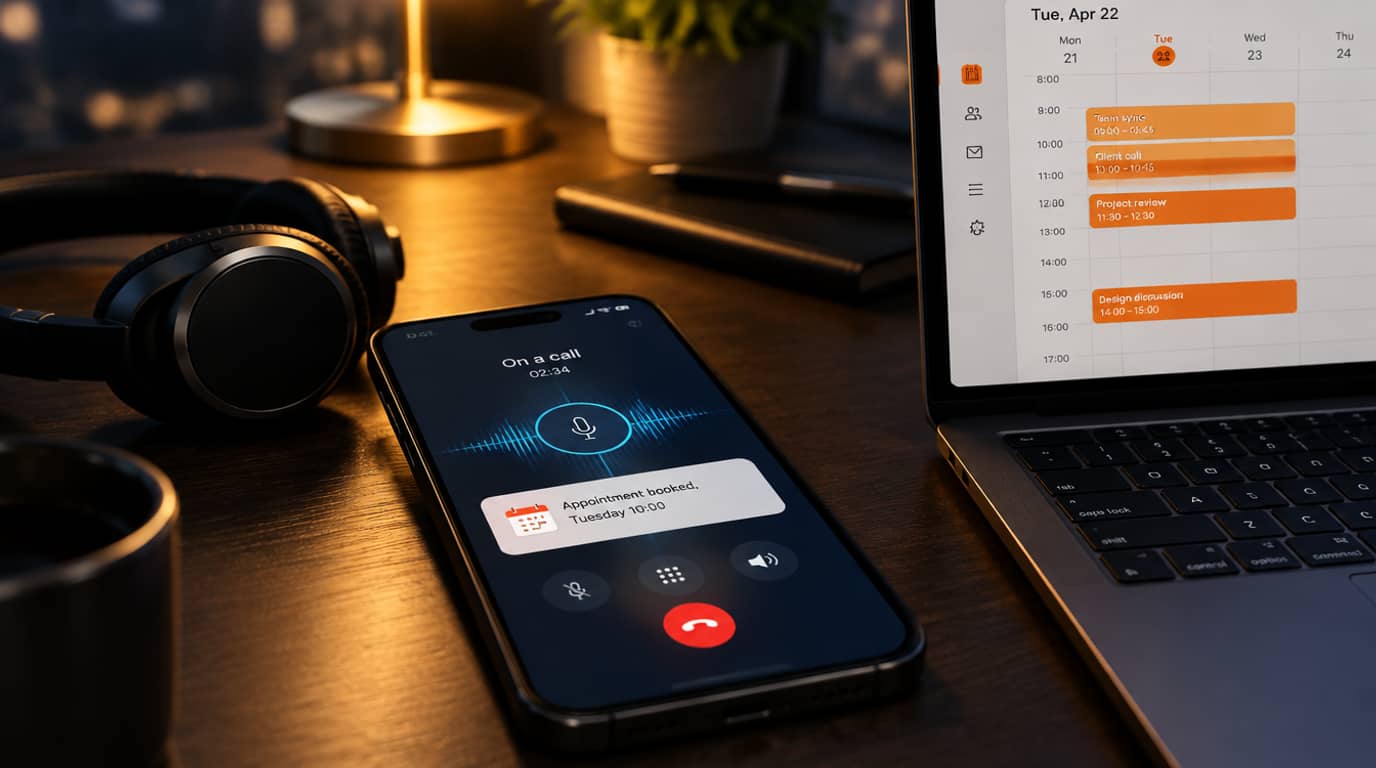
AI calling for lead generation means using a conversational voice agent to phone leads, qualify them with a few questions and book them onto a salesperson's calendar, without a human dialing. The agent speaks naturally, understands free-form answers, handles common objections from an approved knowledge base and writes every outcome back to your CRM.
It is not a robocall and it is not a press-1 phone menu. The prospect talks the way they would to a receptionist, and the agent replies fast enough that the exchange feels like a normal call. That speed is the reason the category only became practical recently: below about 700 milliseconds of response time, conversations flow; above a second, people talk over the agent and hang up.
In a lead funnel, the AI caller sits between the landing page and the sales call. A lead submits a form, the CRM fires a webhook, and the agent calls within seconds while the person still has your page open. If you want the technical background first, our AI voice agent glossary entry covers the components, and the AI voice agents service page shows how we build them.
2. Inbound vs Outbound: Where It Makes Money
Most of the hype is about AI cold calling. Most of the money is in calling people who already asked to hear from you. These are the use cases ranked by return in our builds:
| Use case | Who gets called | Why it works |
|---|---|---|
| New inbound leads | Form submits from your ads | Called inside 60 seconds while intent is highest |
| After-hours leads | Evening and weekend submits | No human is awake to call; competitors wait until morning |
| Missed inbound calls | Callers who hit voicemail | Instant call-back recovers leads that would dial the next business |
| Database reactivation | Old leads who opted in | Cheap way to work a list no human has time for |
| Appointment confirmation | Booked prospects, day before | Lifts show rate alongside SMS and email reminders |
| Cold outbound to lists | People who never opted in | Low contact, high hang-up, real consent risk |
The first row is where the 2.4x lift comes from. Lead value decays in minutes, and the business that calls first usually books the appointment. That is the whole logic of speed-to-lead: an AI caller is simply the only way to call every lead within a minute, at 2 a.m. and on public holidays, without hiring a night shift.
Industries where this pays fastest are the ones where leads shop several providers at once: personal injury, roofing, HVAC, mortgage and home services. Accident victims, for example, often contact multiple firms the same evening, which is why intake speed decides who signs the case. Our personal injury funnel page shows how the caller plugs into intake.
3. The Cost Math: Per Minute, Per Booking
AI calling is priced per minute of talk time, stacked from the voice platform, telephony and the speech models. All-in, expect $0.10 to $0.25 per minute. Unanswered attempts cost a few cents each.
| Line item | Typical range | What moves it |
|---|---|---|
| Cost per minute | $0.10 to $0.25 | Platform tier, voice quality, telephony region |
| Qualifying call length | 2 to 4 minutes | Number of questions, script clarity |
| Cost per connected call | $0.30 to $1.00 | Call length |
| Cost per booked appointment | $3 to $9 | Contact rate and booking rate |
| Human setter cost per booking | $40 to $120 | Salary or commission divided by bookings |
The variable cost is rarely the deciding factor. The deciding factor is how many extra appointments you get from calling everyone instantly. Plug your own lead volume, contact rate and close rate into the AI voice agent ROI calculator to see the monthly difference before you build anything. Remember to add the one-time build and the ongoing script maintenance; a production agent with a tested knowledge base is a project, not a switch you flip.
4. The Call Script That Books
Every high-performing AI calling script we run follows the same four parts. The full fill-in version is in our AI voice agent script template.
- Anchor to the form. "Hi, is this Mark? You just asked for a roof estimate on our site a minute ago." Mentioning the request in the first sentence is what separates a welcome follow-up from an unwanted call.
- Disclose. "I'm the AI assistant for the team at [company]. I can get you booked with [rep] right now." Early, plain and confident.
- Qualify with two to four questions drawn from the offer's real criteria: timeline, budget range, location, decision maker, or the specifics of their situation. Branch on answers. Unqualified leads get a polite alternative, not a calendar slot. Our lead qualification questions template lists proven questions by industry.
- Offer two specific slots. "I have Tuesday at 10 or Wednesday at 2, which suits you?" Read the time back, confirm the mobile number for reminders, and close.
Objections get short scripted paths: acknowledge, answer from the knowledge base, return to the two slots. "I just want a price" becomes "Fair question. Price depends on two things, which the 15-minute call covers. Tuesday at 10 or Wednesday at 2?" Anything outside the knowledge base triggers a handoff to a human or a booked callback.
5. AI Caller vs Human Setter
This is not an either-or decision for most teams. The AI caller wins on speed, coverage and cost per booking. The human setter wins on long, consultative first conversations and on leads who need reassurance from a real person. Our full breakdown is in AI voice agent vs human setter, but the short version:
- Use AI for first contact on every inbound lead, after-hours coverage, missed-call recovery, reactivation of old lists and day-before confirmations.
- Use humans for high-value leads flagged by the AI, prospects who ask for a person, and offers where the first call is itself a mini-consultation.
- Hand off cleanly. The AI writes answers, objections and a two-line summary to the contact, so the human never asks the same question twice.
Most clients end up with the AI handling volume and one human setter handling the leads that matter most. That combination is what our AI appointment setter builds are designed around.
6. Consent, Disclosure and Compliance
Treat an AI caller as an outbound calling program with stricter scrutiny, not looser. In the US, the FCC confirmed in 2024 that AI-generated voices count as artificial voices under the Telephone Consumer Protection Act, which means calls need the person's prior consent, and marketing calls need prior express written consent. Other countries and several states add their own rules. This section is practical guidance, not legal advice; have your form language and script reviewed before launch.
- Consent on the form. State clearly next to the submit button that the person agrees to be contacted by phone, including automated or AI calls, and by text, about their request. Store the timestamp, page URL and wording with the lead.
- Disclosure on the call. Say the caller is an AI assistant in the opening lines. Never let the agent claim to be human when asked.
- Calling hours. Respect permitted hours in the lead's time zone. Out-of-hours leads get an instant SMS and a queued call for the morning.
- Opt-outs. "Stop calling me" ends the call and tags the contact do-not-call in the CRM immediately, across voice and SMS.
- Recording. Record only where permitted, announce it where required, and keep transcripts for the period your policy sets.
- No purchased cold lists. If you cannot show consent for a number, do not let the agent dial it.
7. Rollout Plan and Results
A safe rollout takes about three weeks from kickoff to full volume:
- Days 1 to 5: map the qualification criteria, write the script and knowledge base, connect the form trigger, calendar and pipeline stages.
- Days 6 to 10: 50+ internal test calls with real objections, accents, interruptions and "are you a robot?" questions. Fix every wrong answer.
- Week 3: go live on a slice of traffic with a human reviewing every transcript daily, then open to full volume.
Across 60+ speed-to-lead deployments on the lead generation funnels we run, median first contact was 38 seconds, 84% of leads were reached inside the first minute and lead-to-booking improved 2.4x on unchanged ads and landing pages. When booked calls then run through 3-channel reminders, show-up rates reach up to 88%, which matters because a booked call that no-shows is worth nothing.
Where it underdelivers: very low-intent lead sources such as giveaways or instant forms with no qualifying question, offers that need a long first conversation, and agents launched without a tested knowledge base. AI calling multiplies the funnel you already have; it does not rescue a weak offer.
If you want AI calling wired into your CRM, calendar and reminders, it ships in our complete suite build at $1,999, live in 5 to 10 business days. Book a strategy call and we will map the script and routing to your offer.
Results from this playbook
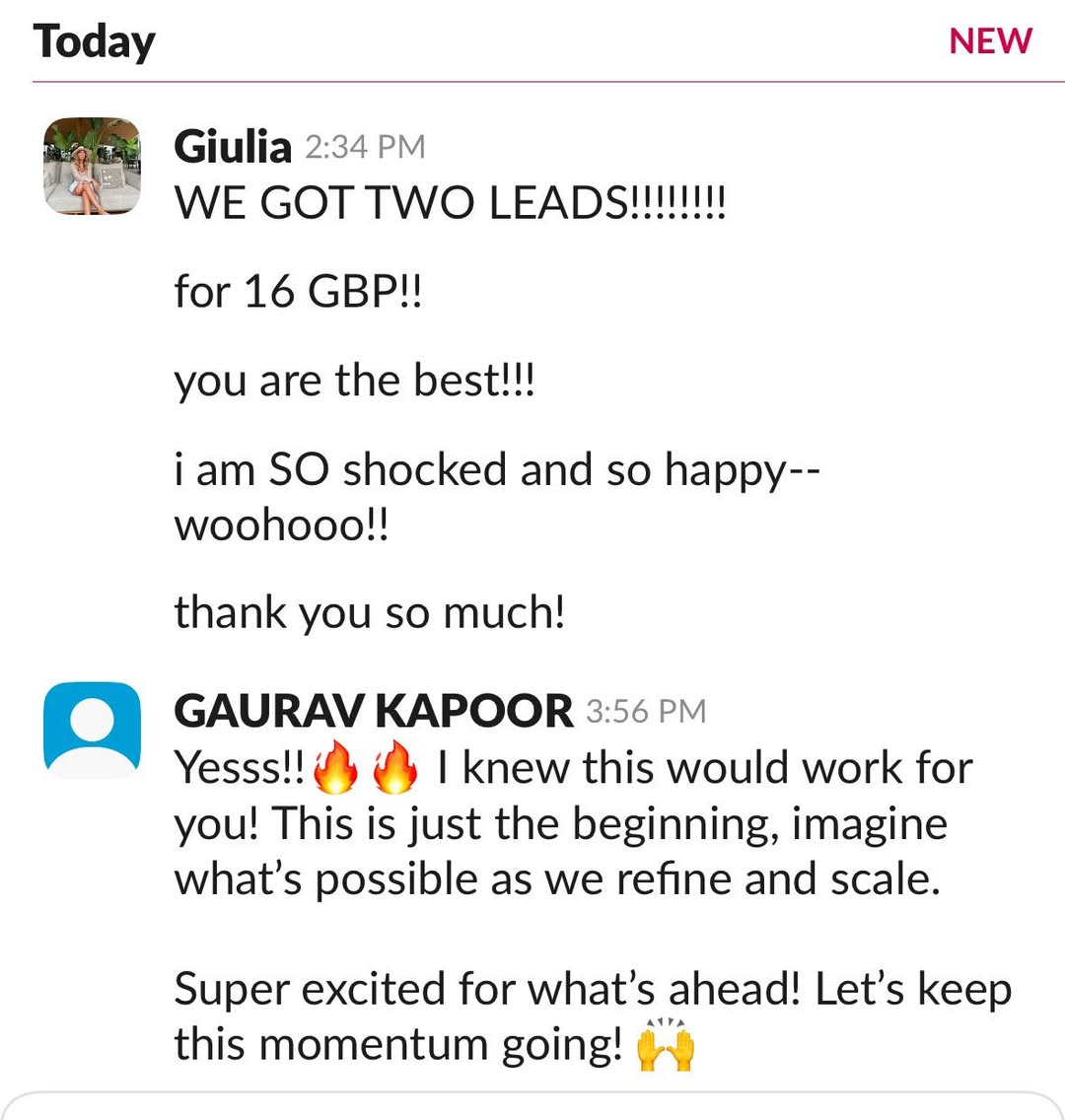
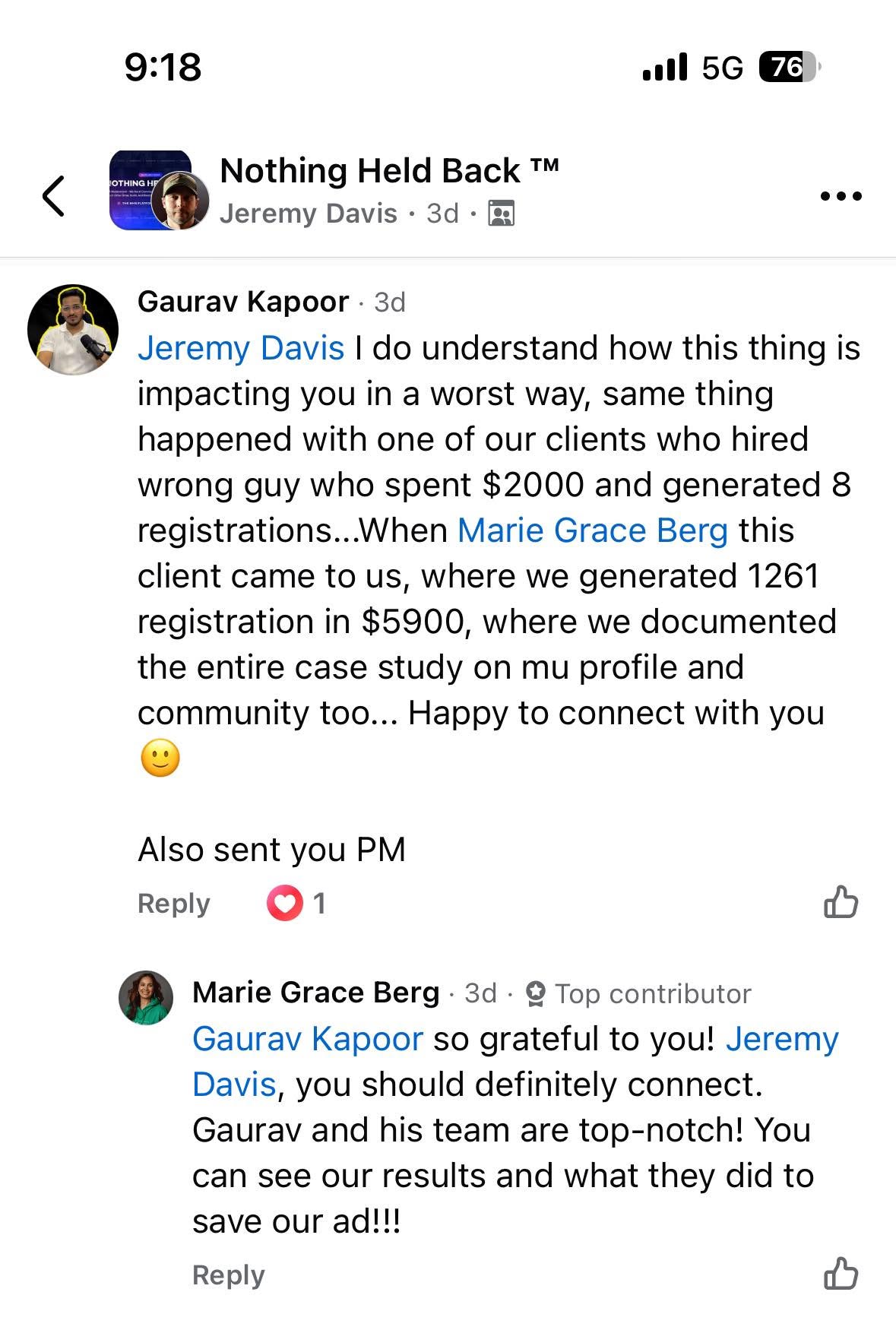
Verified client results built on the system in this article, with the numbers from the ad account and CRM.
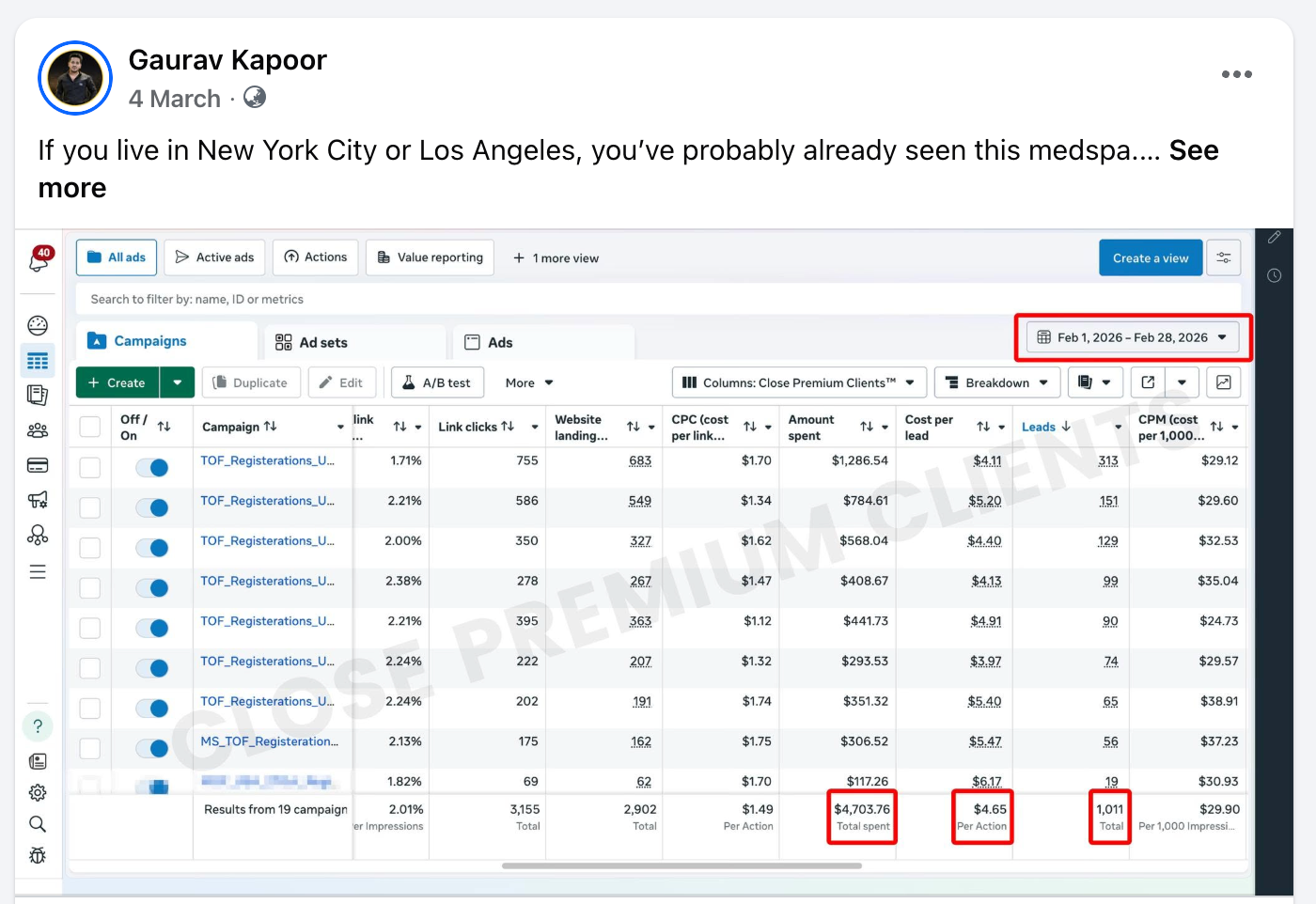
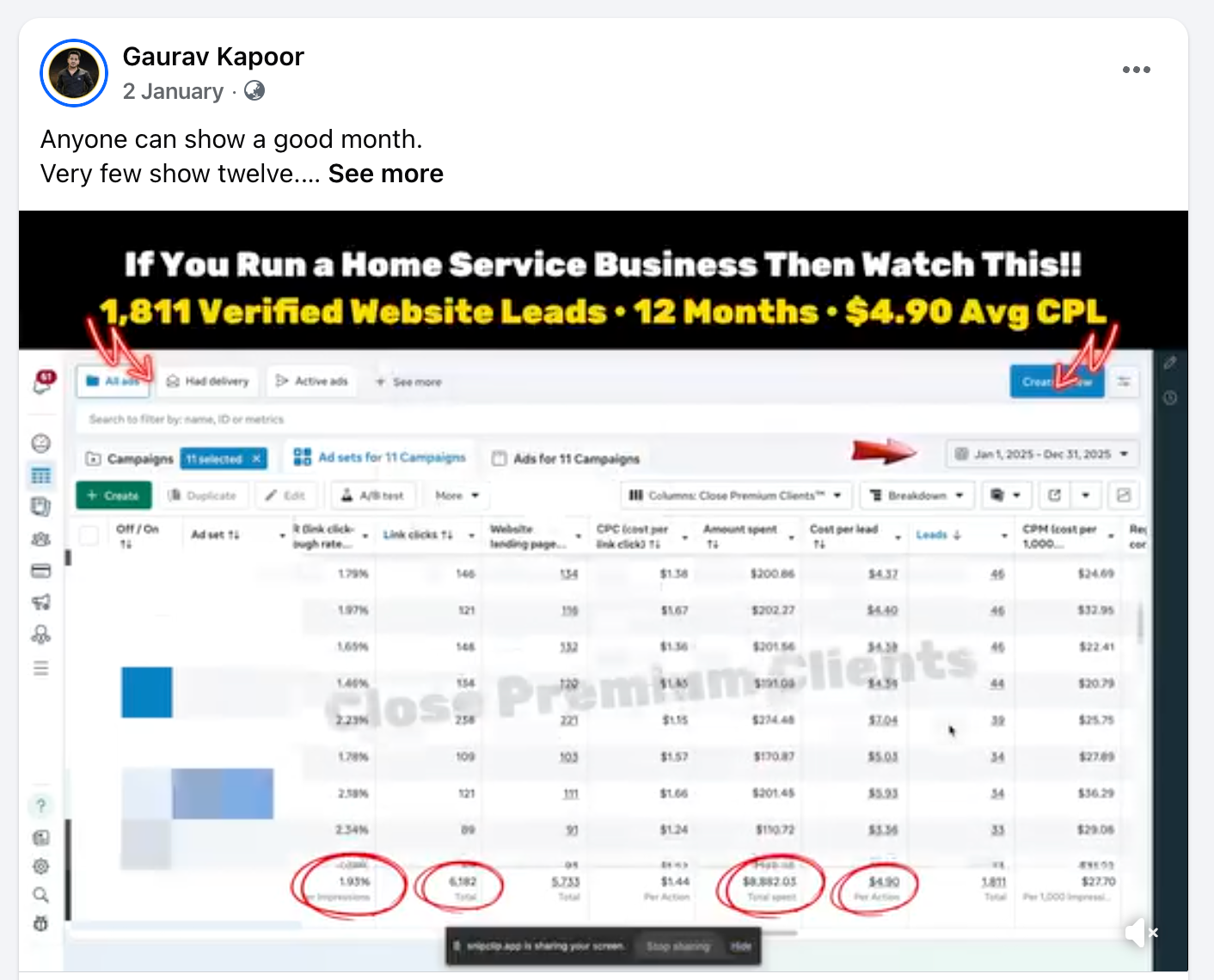
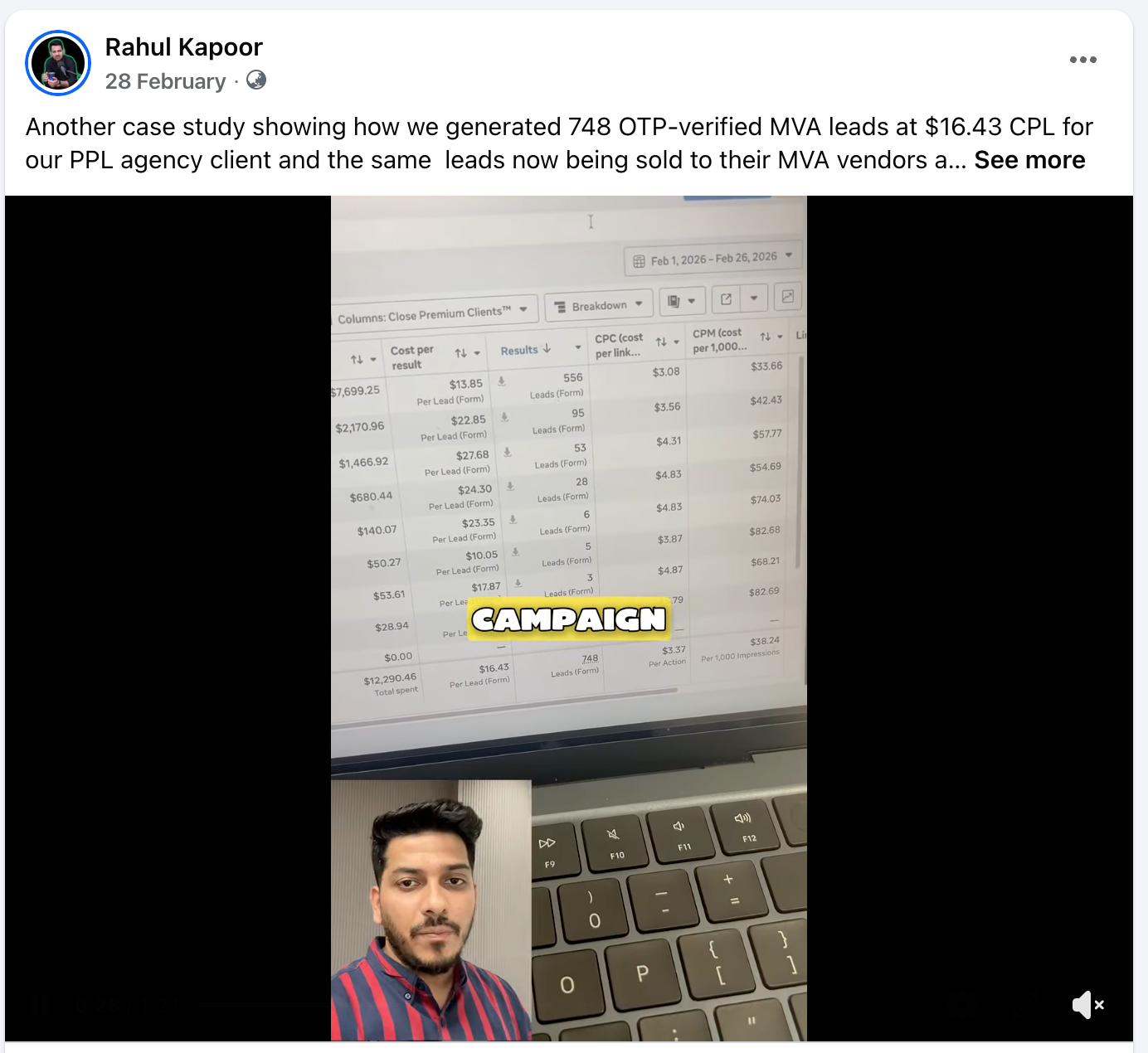
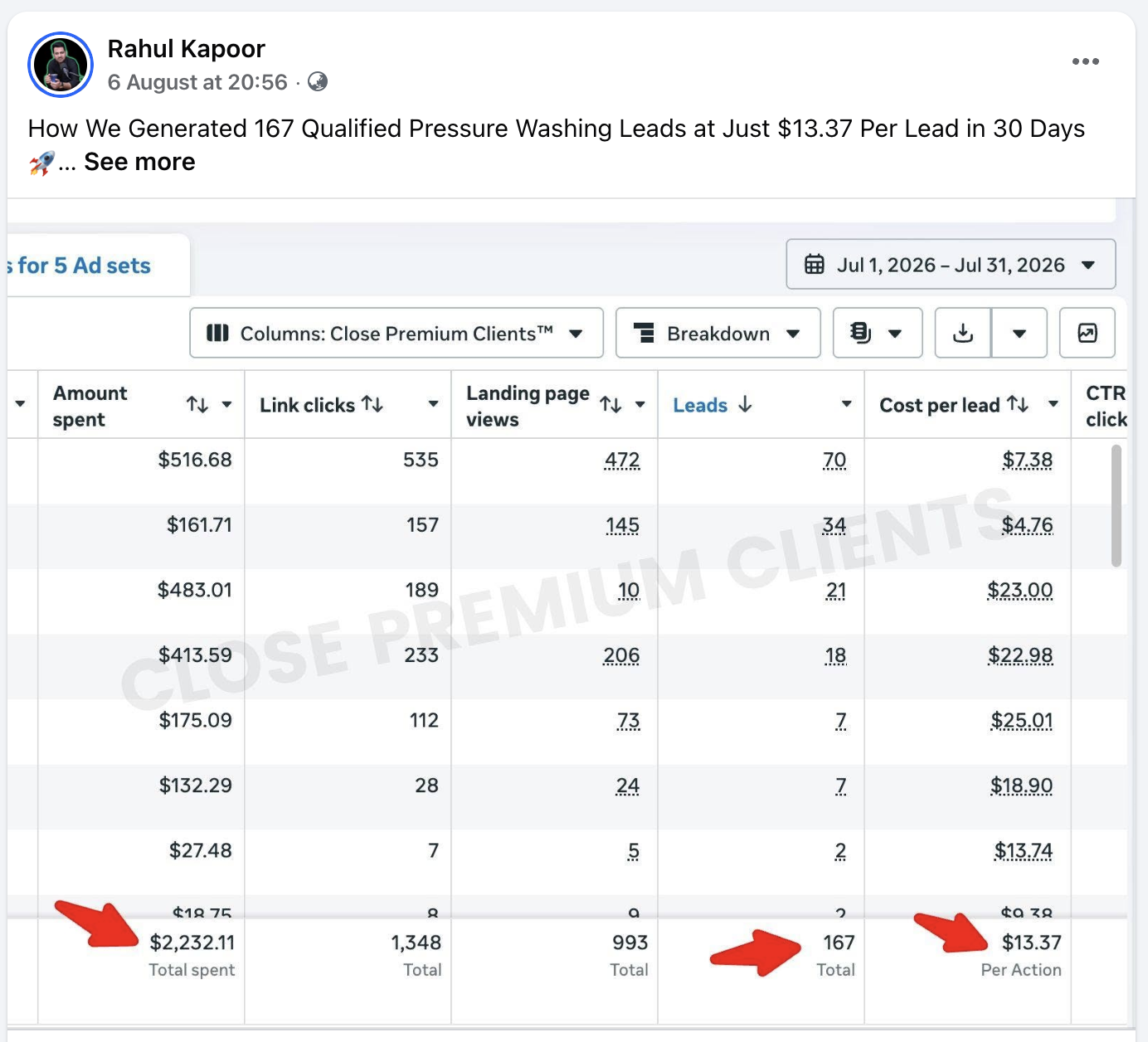
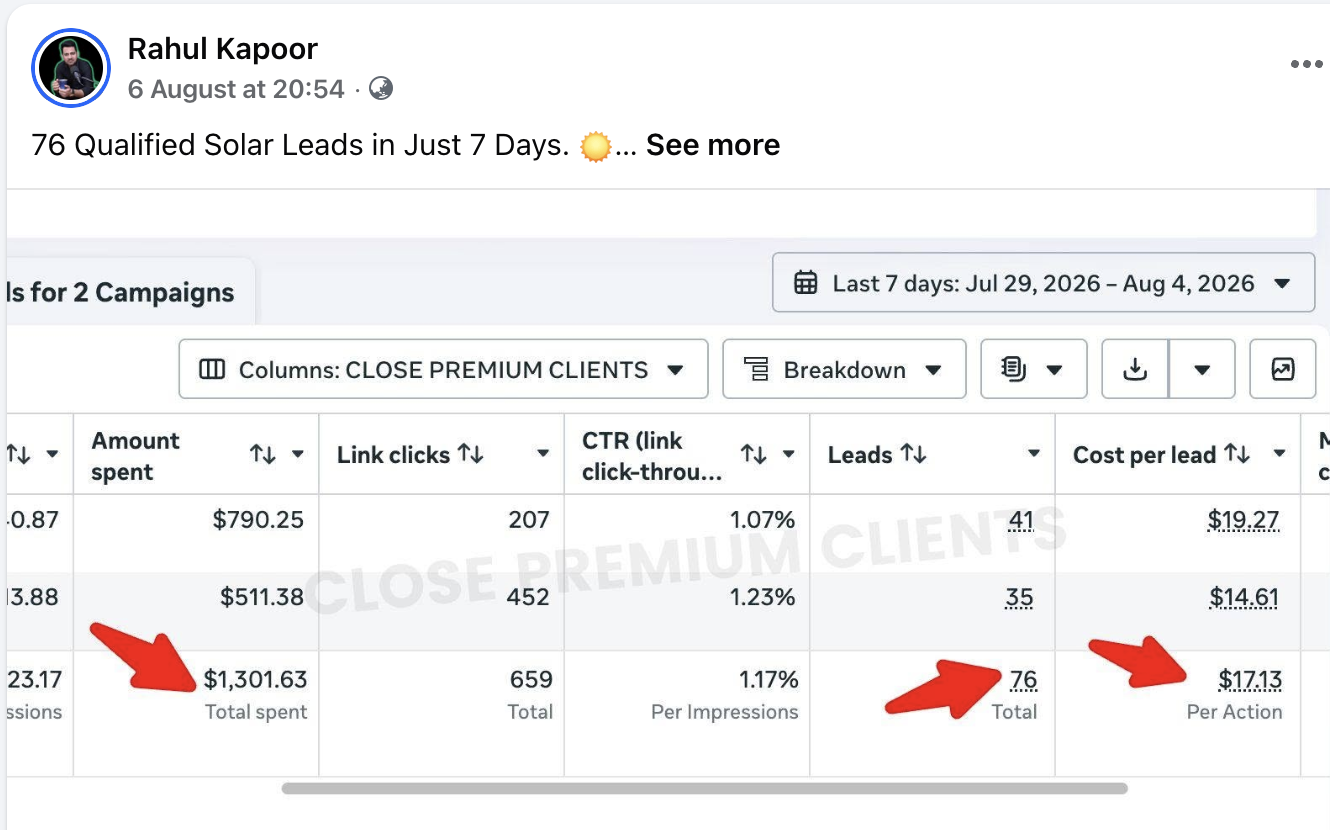
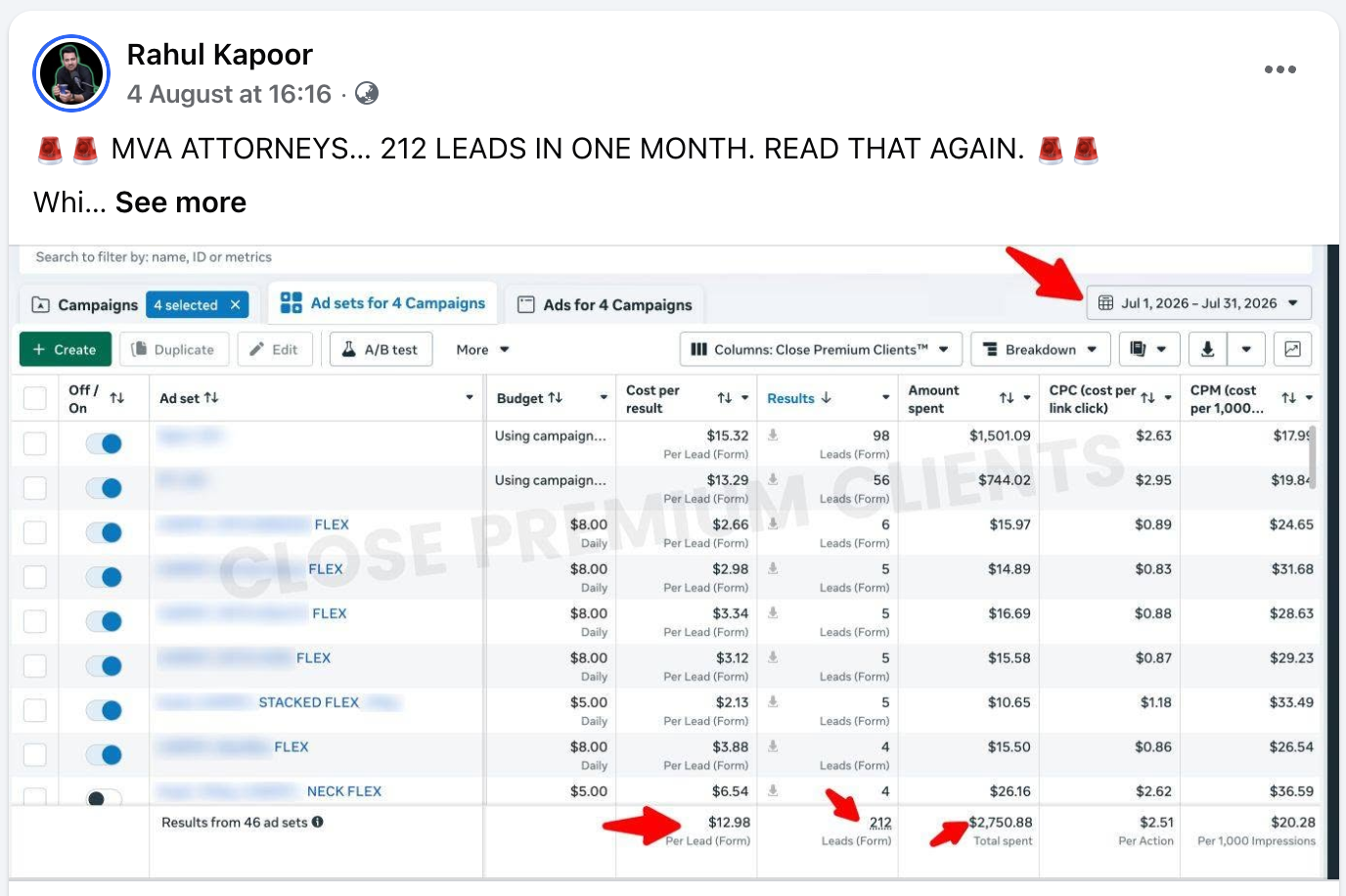
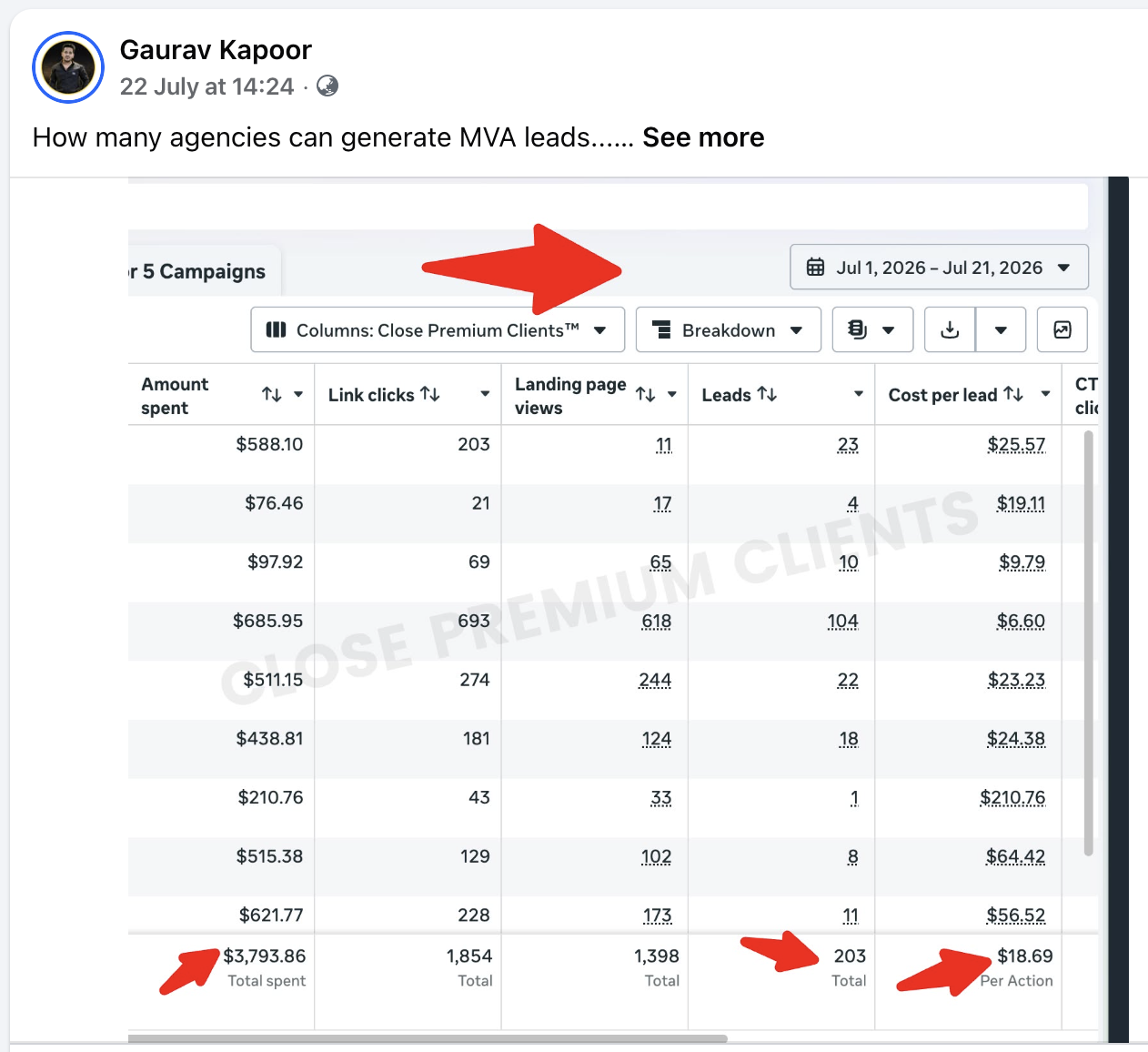
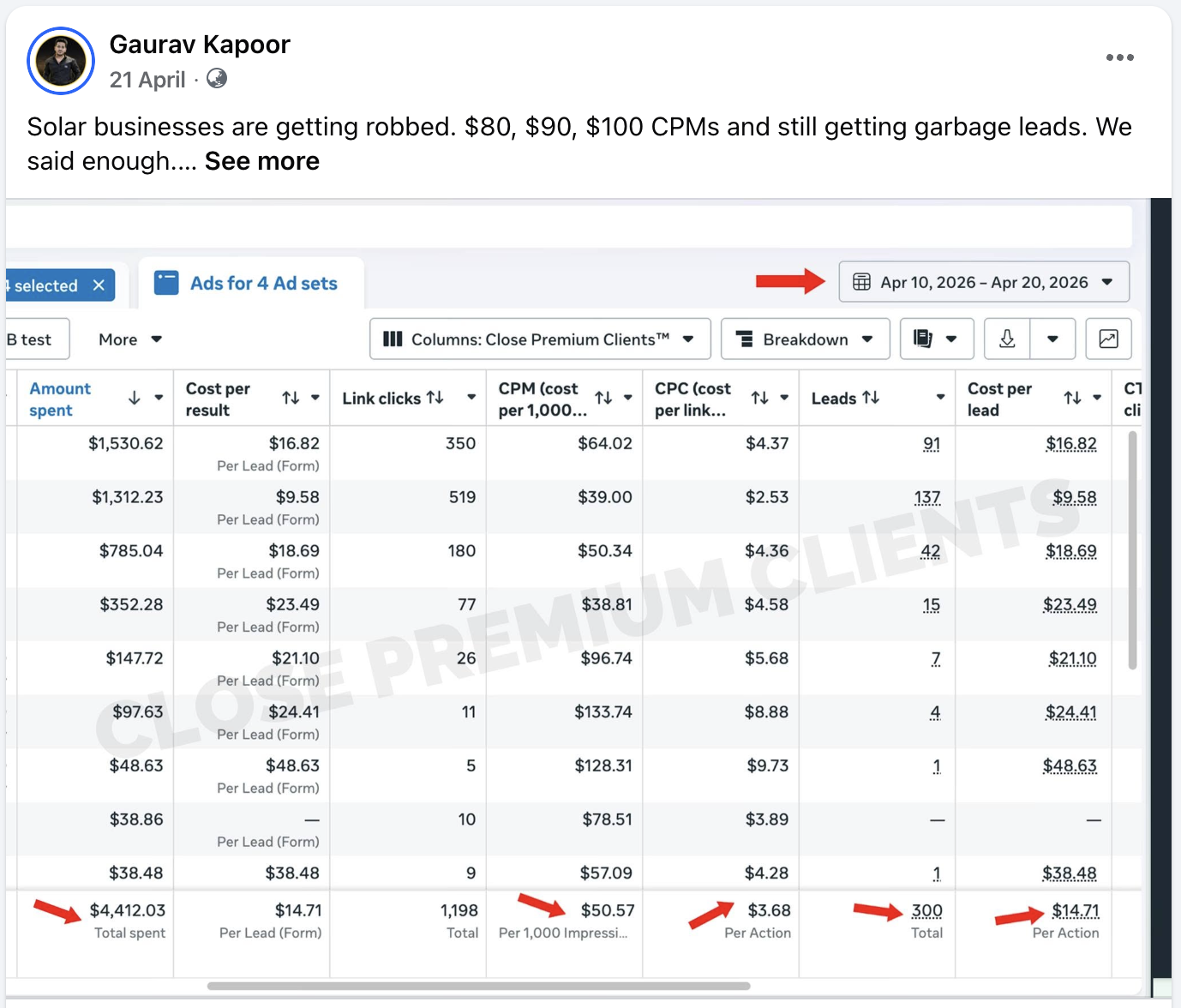
- $388,000RevenueMVA Case Study: $388K Revenue on $20K Ad Spend
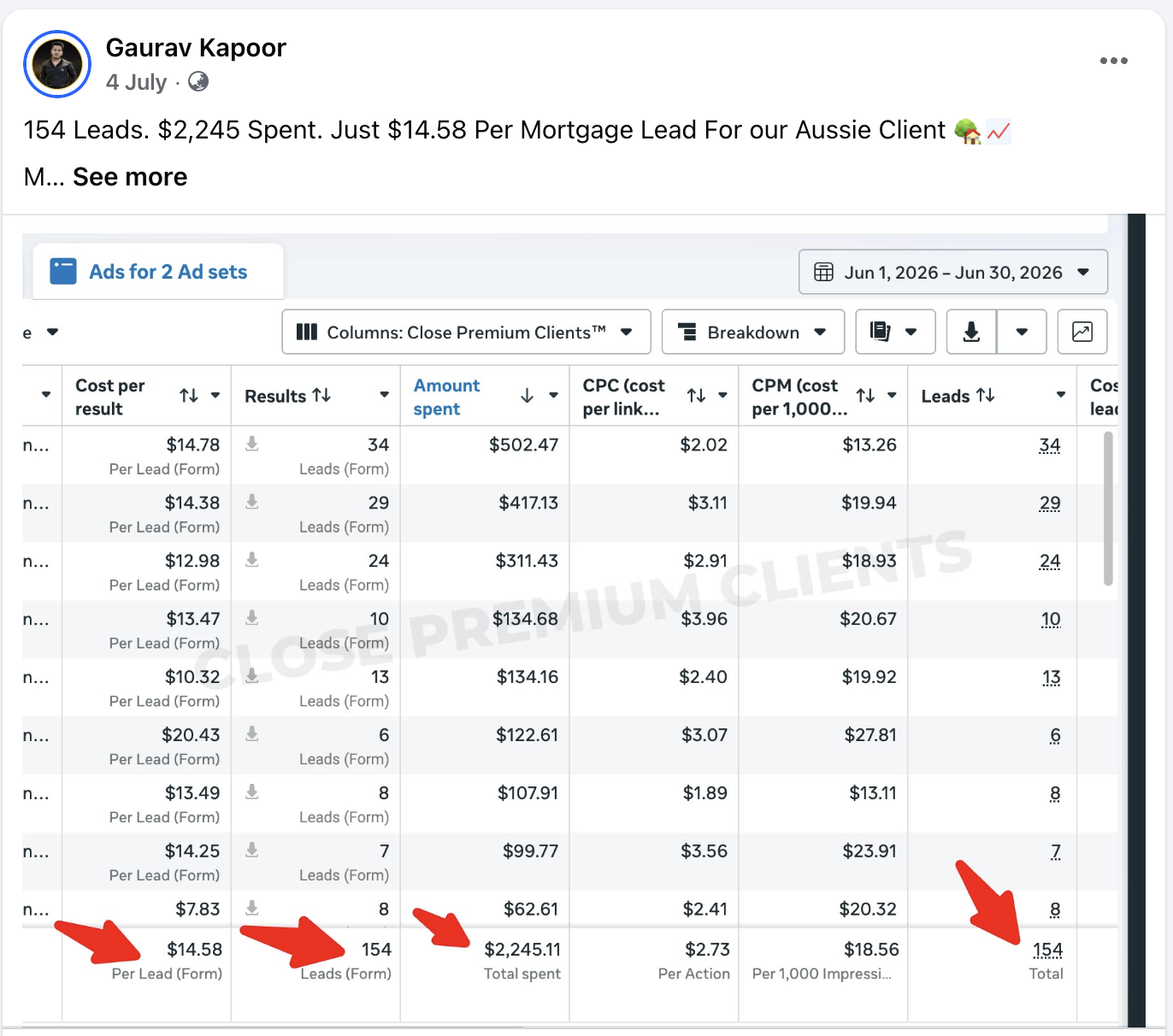
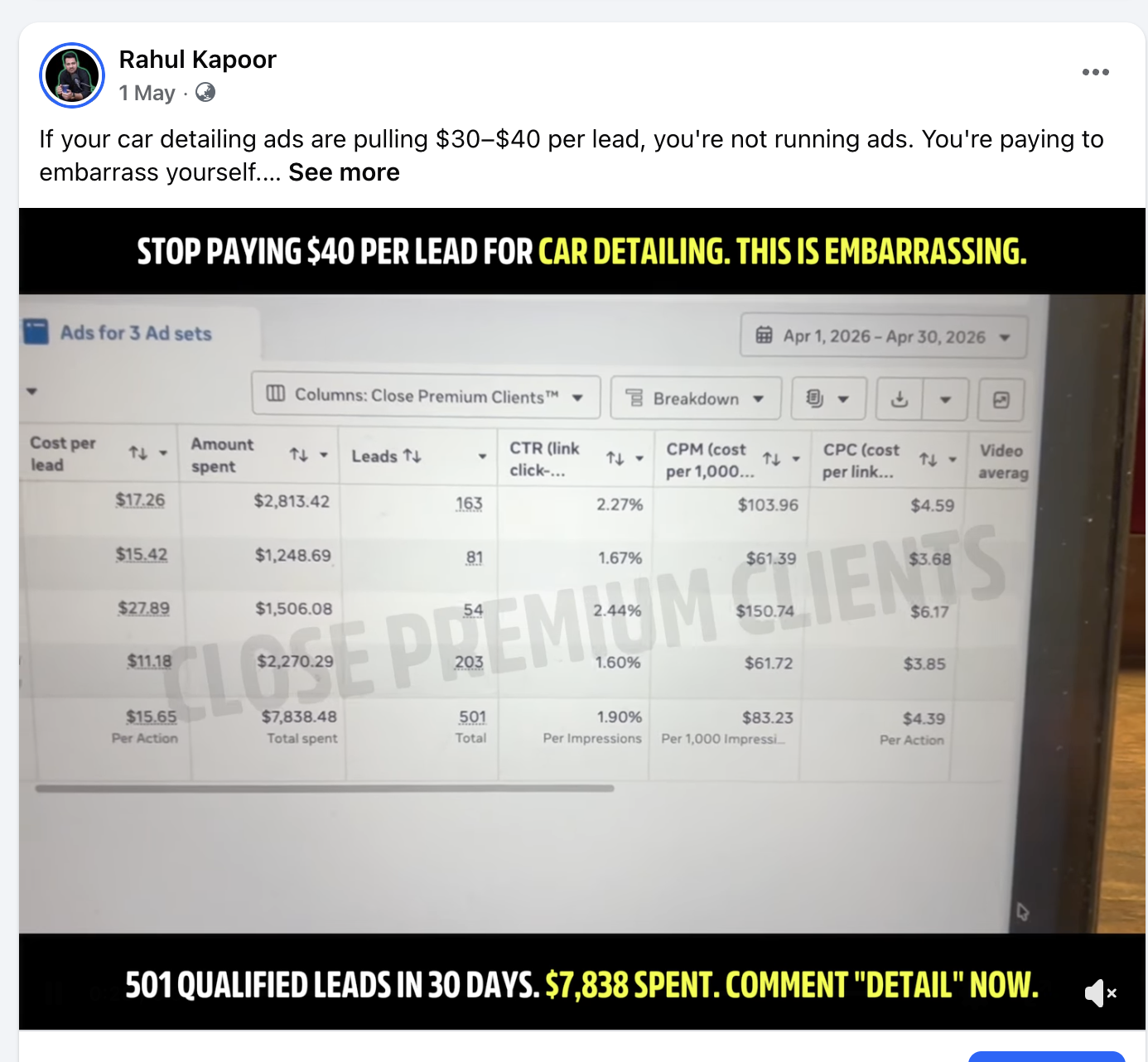
- 8,810Leads generatedMVA Case Study: 8,810 Leads at $7.61 CPL
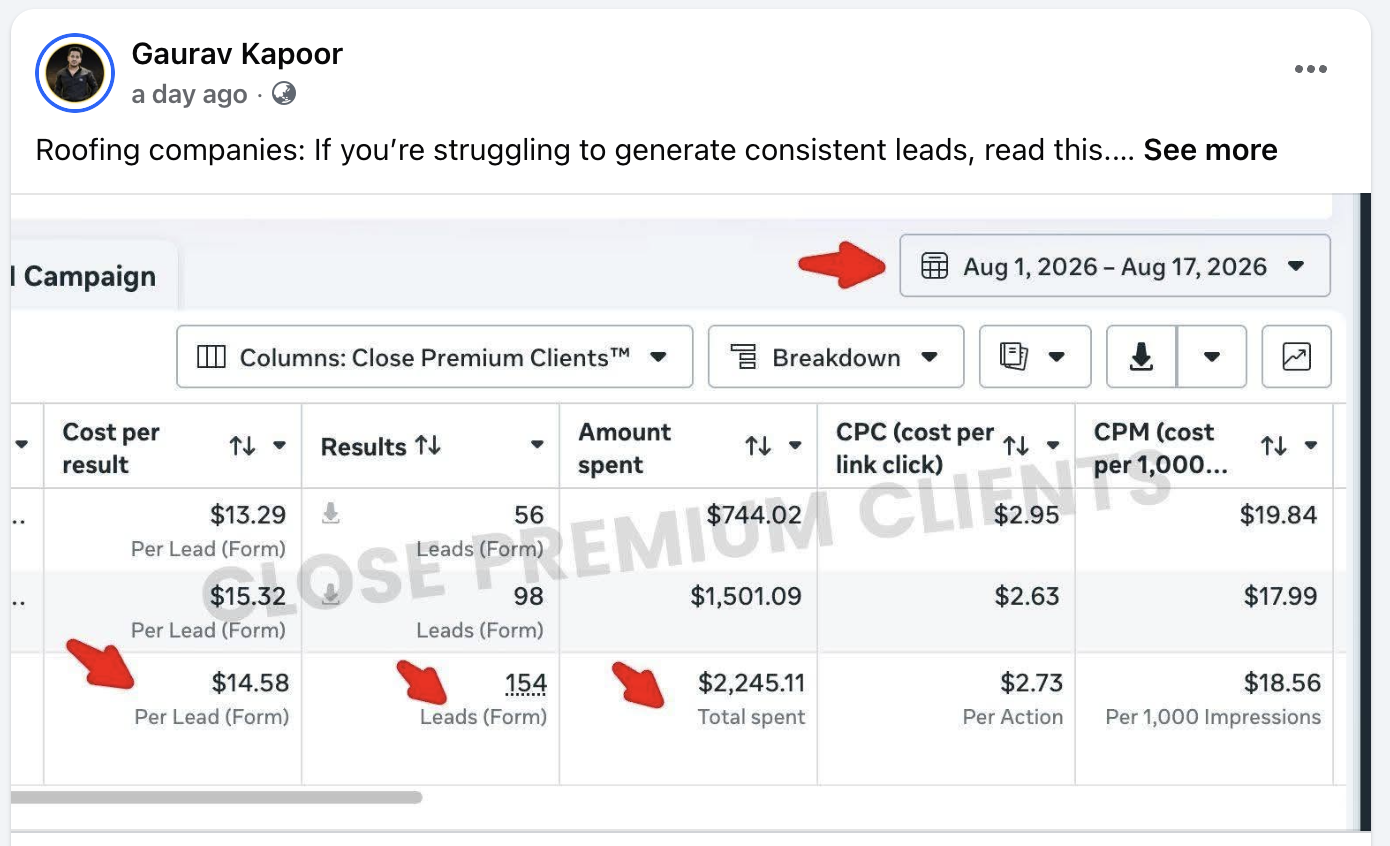
- 55Leads generatedHVAC Case Study: 55 Leads at $11.02 CPL
- 326Leads generatedHVAC Case Study: 326 Leads at $5.57 CPL
All MVA & personal injury lead generation case studies · All HVAC lead generation case studies
Frequently Asked Questions
Is AI calling for lead generation legal?
It can be, when the person has given prior consent to be called and texted, the agent discloses it is an AI early in the call, calls happen within permitted hours and opt-outs are honored at once. In the US, AI-generated voices fall under the TCPA rules for artificial voices, so have your consent language and script reviewed by counsel before launch.
Can I use an AI agent for cold calling purchased lists?
We do not recommend it. Cold lists usually lack the consent that AI voice calls require, contact rates are poor, and prospects who never asked to be called hang up quickly. AI calling earns its keep on inbound leads from your own funnel, missed calls, form abandoners and old leads who previously opted in.
How much does AI calling cost per lead?
Plan on roughly $0.10 to $0.25 per minute all-in for platform, telephony and speech. A qualifying call runs two to four minutes, and unanswered attempts cost cents. At typical contact and booking rates that works out to about $3 to $9 per booked appointment, plus the one-time cost of building and testing the agent.
Do leads hang up when they hear an AI?
Fewer than you would expect when the call is relevant and fast. Referencing the form they just filled in, disclosing the AI in the opening line, replying in under a second and getting to the booking quickly keeps most people on the line. Long pauses, robotic voices and vague answers are what cause hang-ups.
What CRM do I need for AI calling?
Any CRM that can fire a webhook when a lead arrives and accept data back. We build most systems on GoHighLevel because forms, calendars, pipelines and SMS live in one place, so the agent can read availability, book the slot and write the call outcome, answers and summary straight to the contact record.
How long does it take to launch an AI calling system?
A focused build with script, knowledge base, CRM trigger, calendar booking and reminders takes five to ten business days. Budget another week of supervised calls before full volume. Test at least 50 internal calls first so the agent handles real objections, accents and interruptions before it speaks to a paying lead.

Rahul Kapoor
Co-founder of Funnels That Print and lead on CRM automation, speed-to-lead systems, AI voice calling agents and server-side tracking. Rahul has built the GoHighLevel workflows, Meta Conversions API pipelines and reminder automations behind 275+ client funnels.
More from Rahul ↗