From $150 to $180 per lead to $18.94
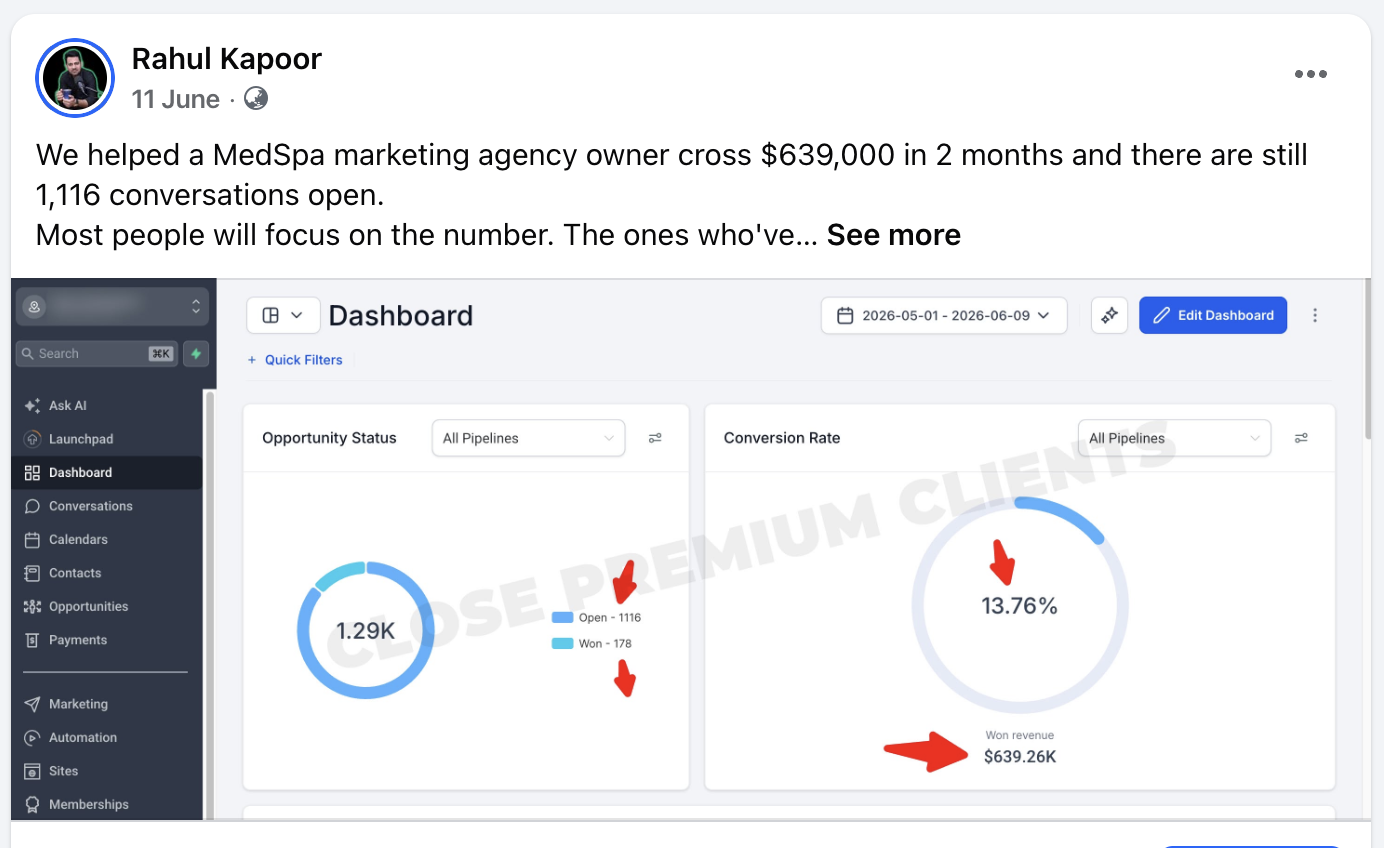
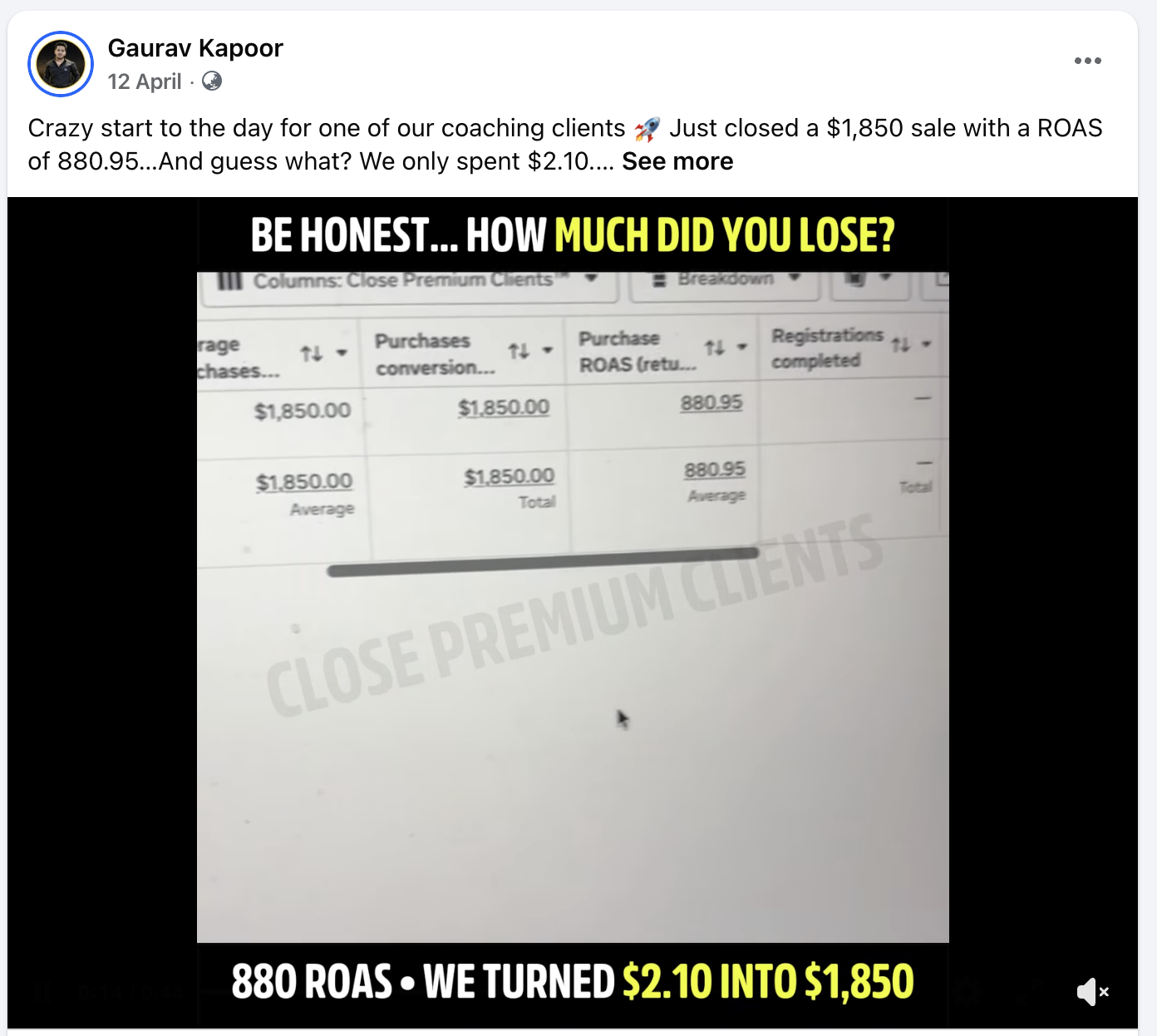
A Texas firm was buying leads from PPL agencies at $150 to $180 each and struggling to close them. In its first 30 days on a firm-owned funnel it spent $20,324, generated 1,079 OTP-verified leads at $18.94, and signed 194 clients worth $388,000. See the full case.
2. What Exclusive MVA Leads Actually Cost
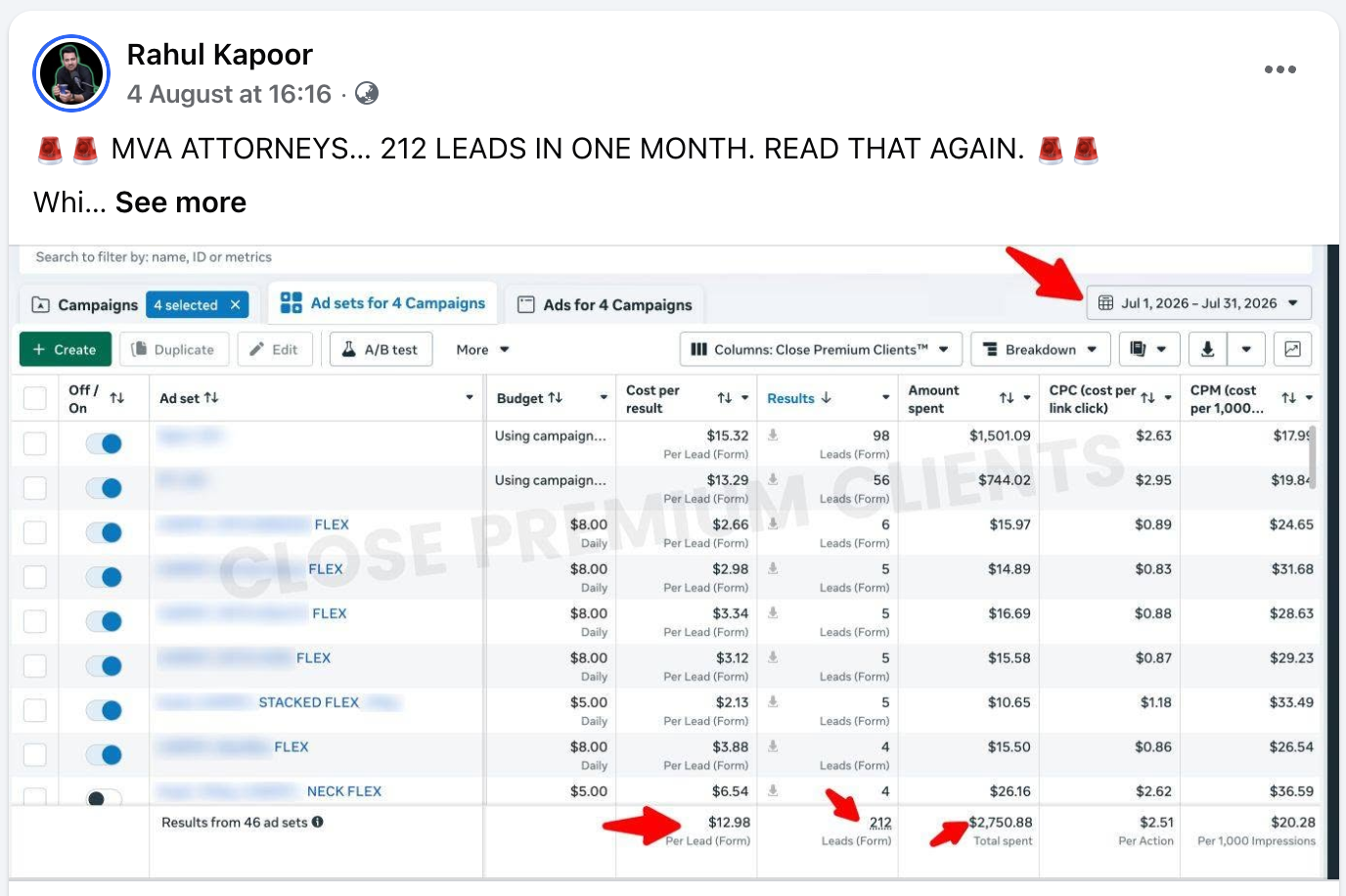
These are real campaigns, taken from the ad accounts. Cost per lead varies with the state, the volume and how strict the qualification is, which is why the range is wide.
| Campaign | Ad spend | Leads | Cost per lead |
|---|---|---|---|
| National, 19 days | $27,467.70 | 6,275 | $4.38 |
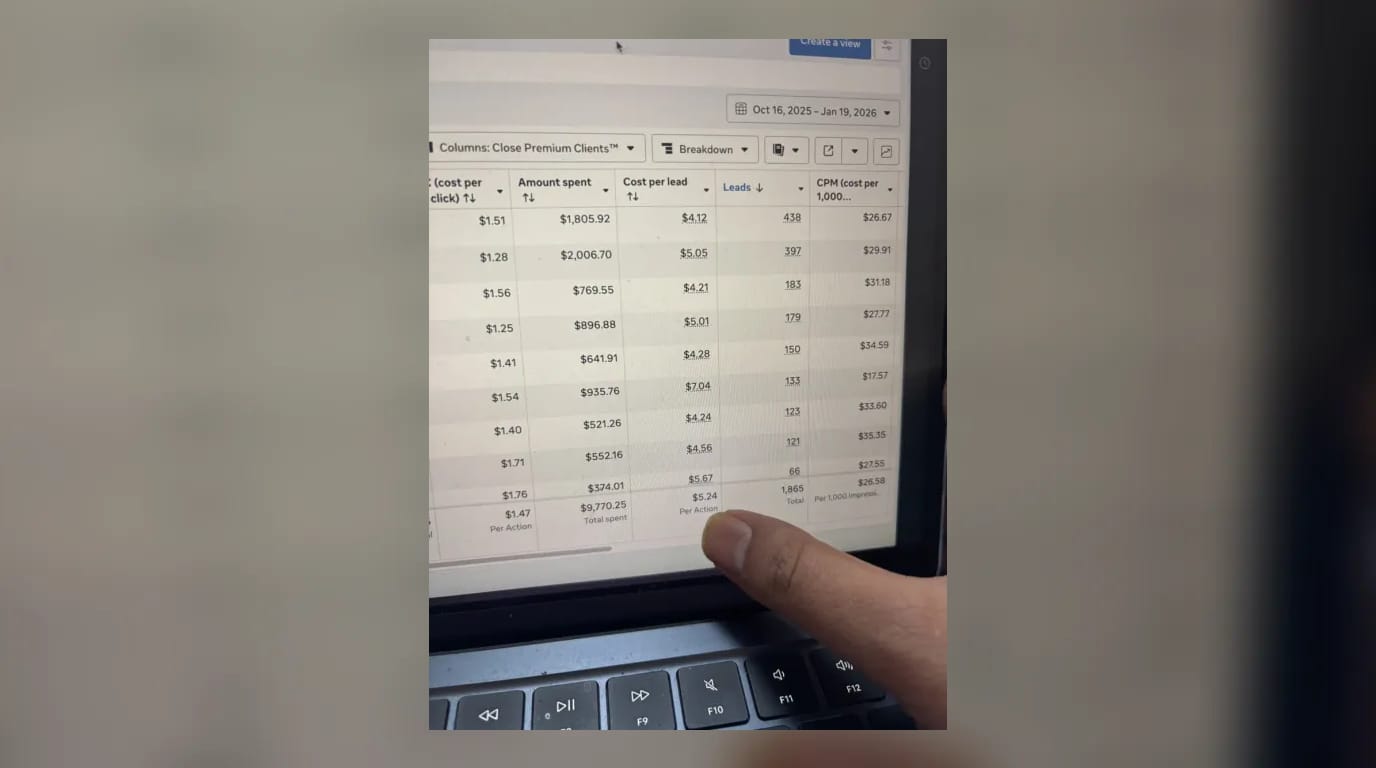
| Texas firm, multi-step verification | $9,770 | 1,865 | $5.24 |
| PPL agency, last-30-day accidents, Jul to Sep 2026 | $67,013.43 | 8,810 | $7.61 |
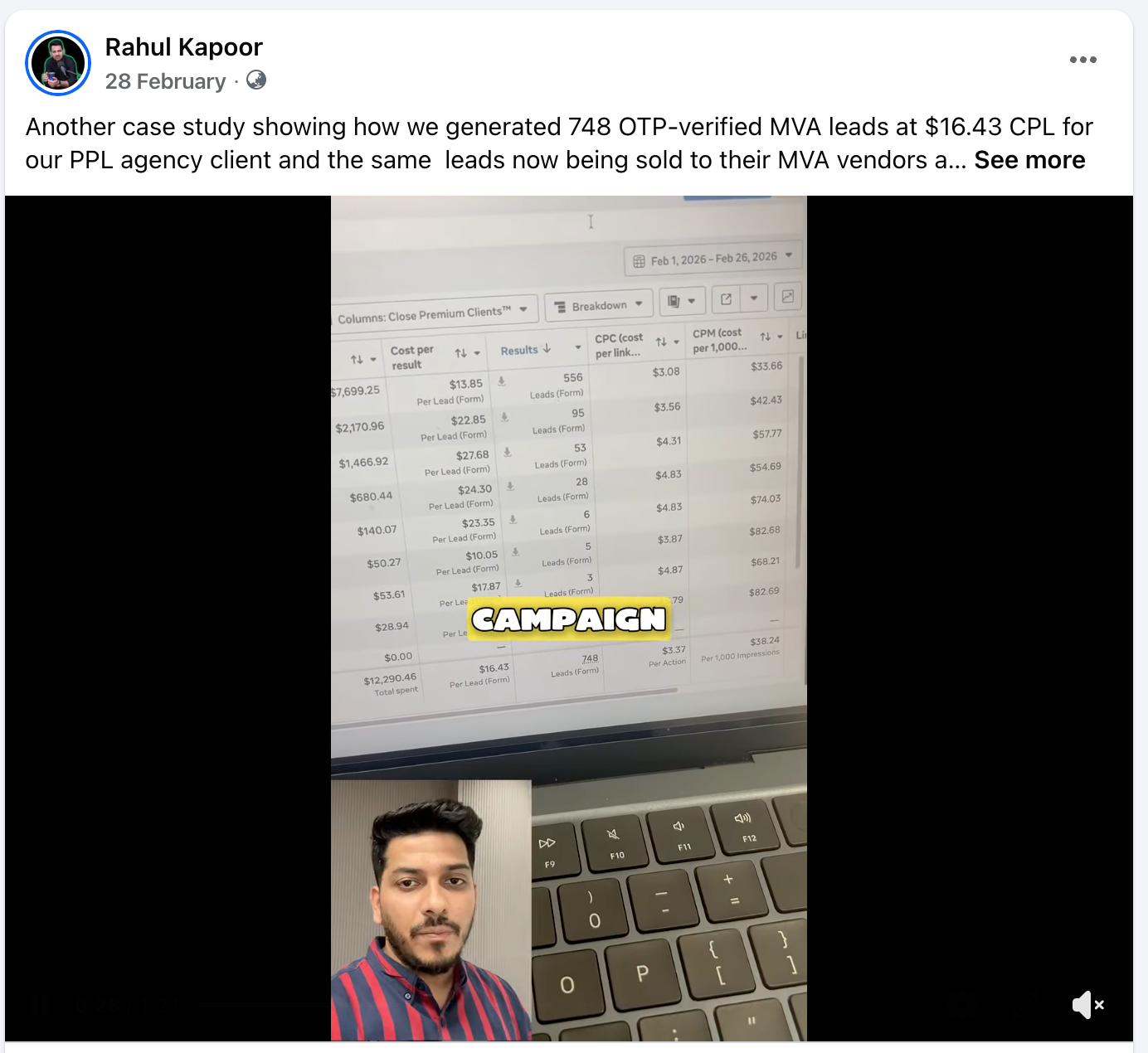
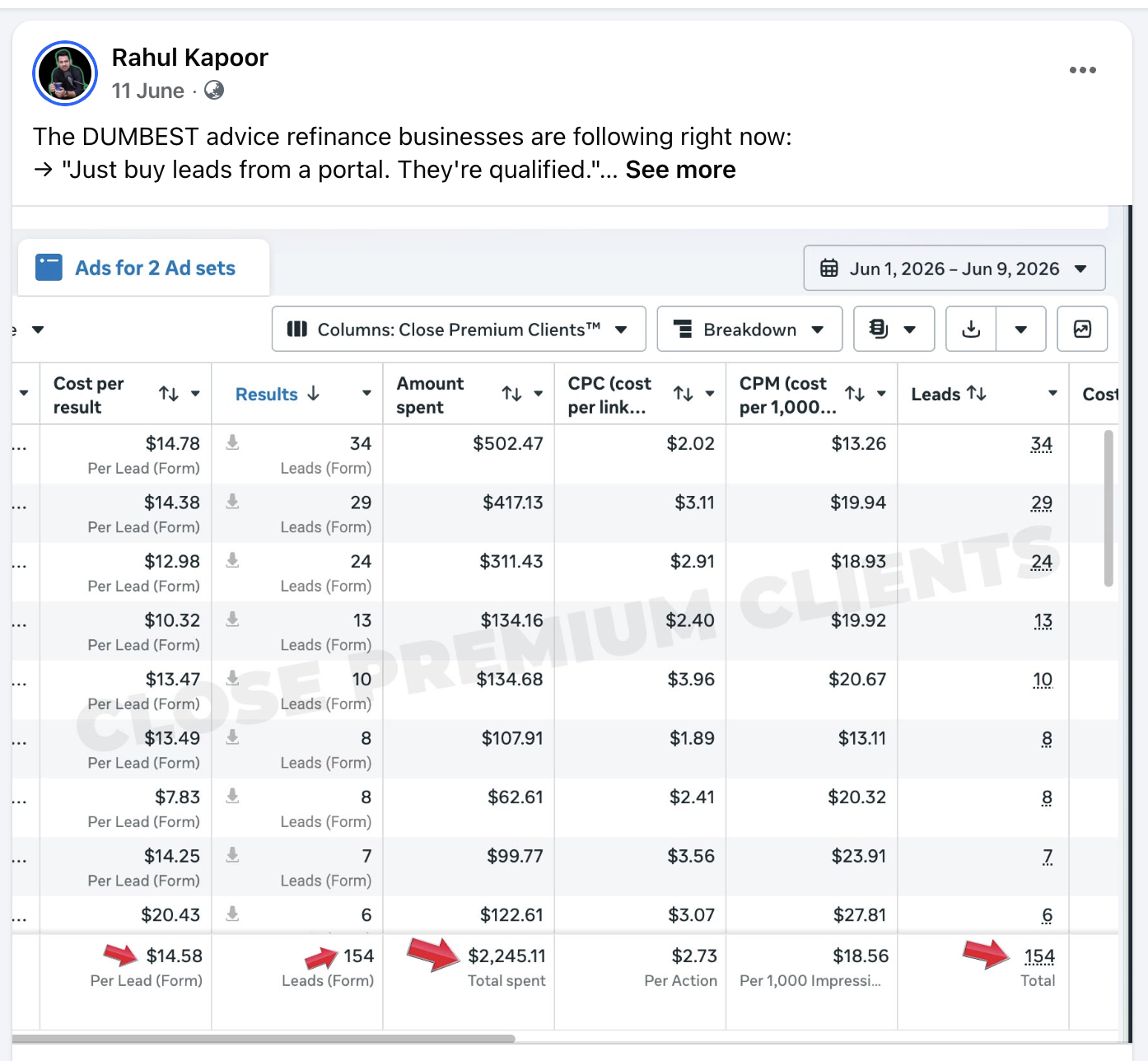
| Firm previously paying $150 to $180, 17 days | $6,608 | 465 | $14.21 |
| Lead seller, 14 days, resold at $150 | $2,162 | 126 | $17.16 |
| Texas firm, 30 days, 194 clients signed | $20,324 | 1,079 | $18.94 |
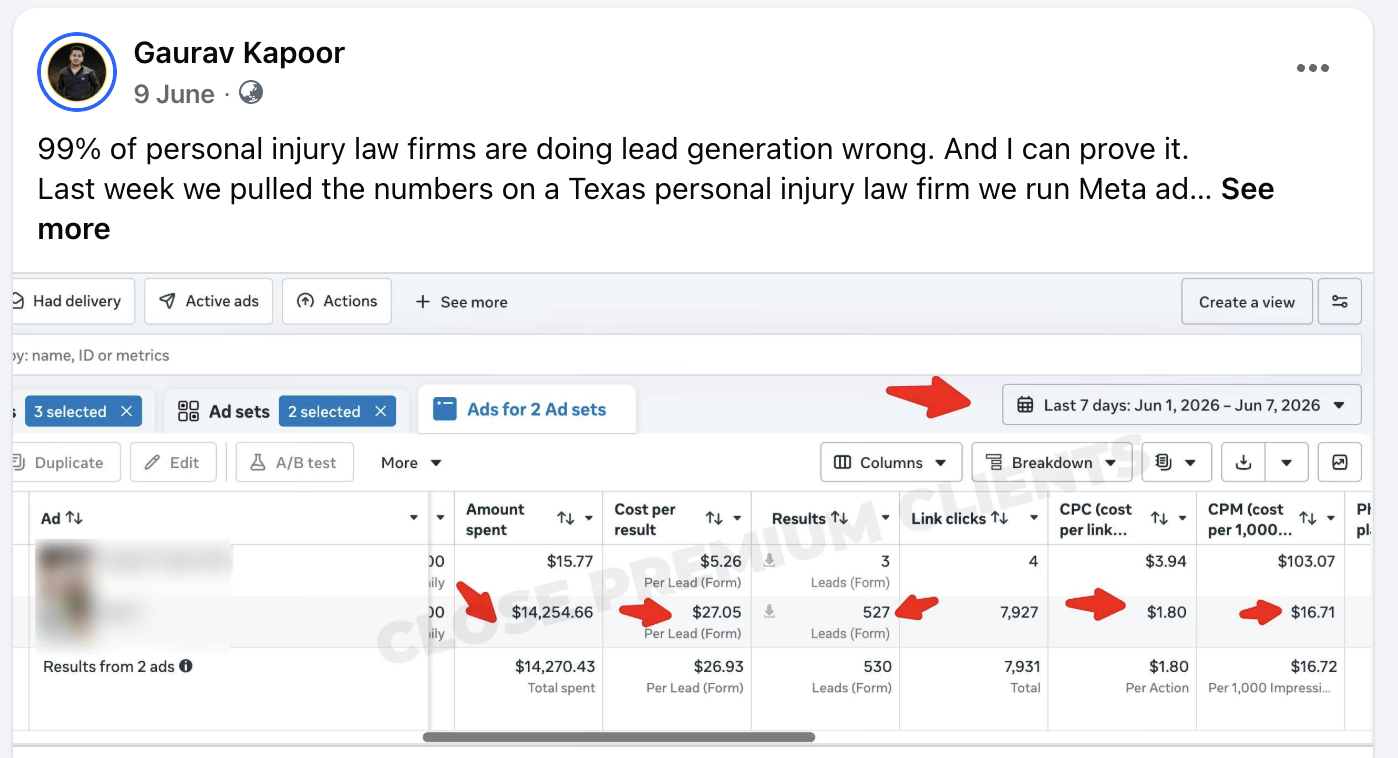
| Texas personal injury firm, 7 days | $14,270 | 530 | $27 |
Even the most expensive of these is a fraction of shared-lead pricing, and every one of them is exclusive to the firm or the agency that owns the account.
3. The Qualification Funnel
Cheap MVA leads are easy. Signable ones are not. The difference is what happens between the ad click and the form submission. A plain Meta lead form converts well and fills intake with people who were never in an accident, already have a lawyer, or were injured years ago.
We replace it with a short multi-step form on a fast landing page, one question per screen:
- When did the accident happen? Recent accidents are the ones a firm can take.
- Were you injured, and did you get treatment? Injury and treatment drive case value.
- Who was at fault? Screens out claimants who caused the accident.
- Do you already have an attorney? Removes represented claimants before intake spends time on them.
- Name, mobile number and verification code.
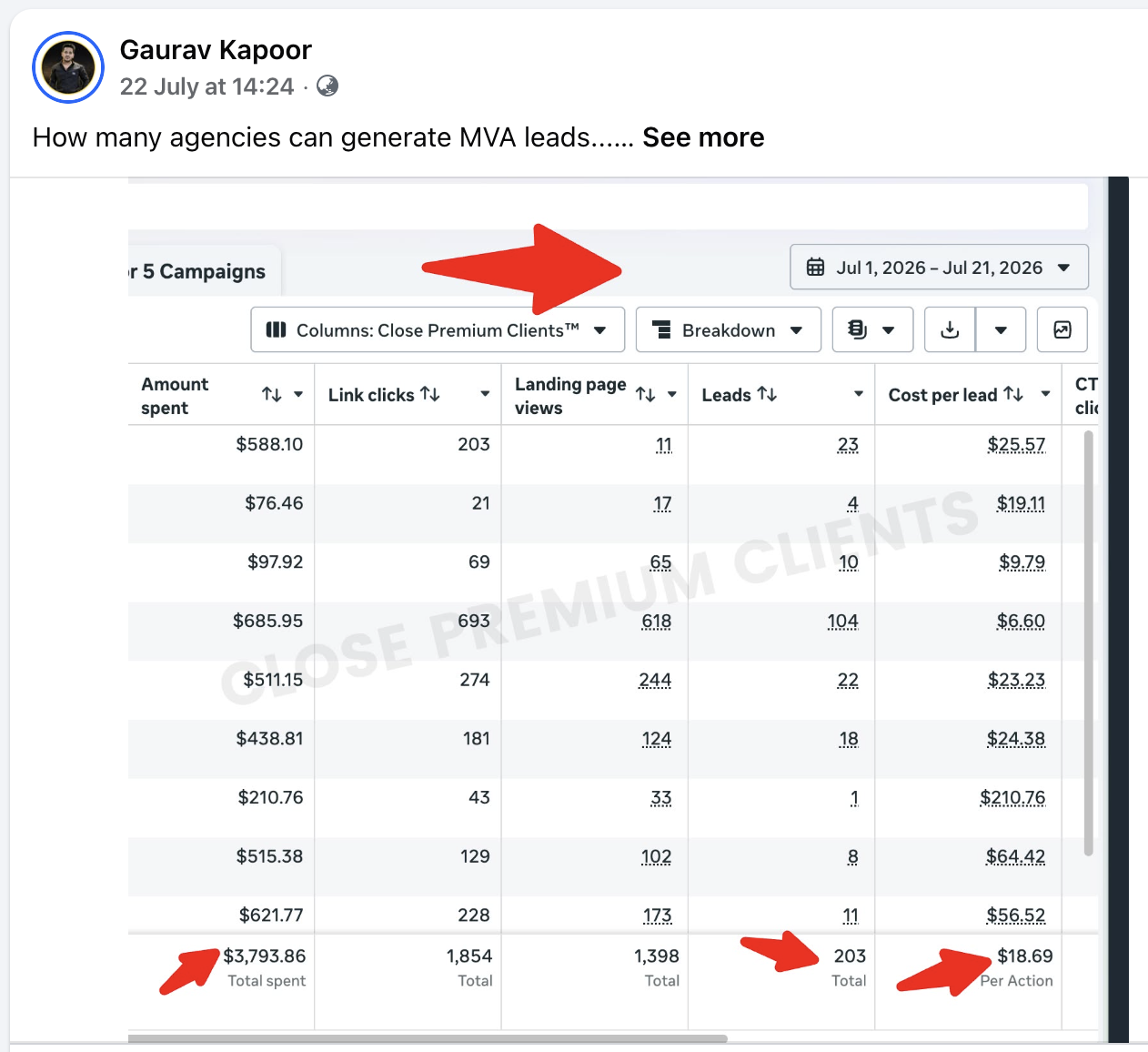
This is the same diagnostic principle that beats static pages in our quiz vs VSL split tests: small answers first, contact details last. One client's 203 verified leads in 21 days came through exactly this kind of multi-step validation, after months of leads who said "I never filled out that form".
4. OTP Verification: Why Every Lead Is a Real Person
The single most effective quality filter is a one-time password (OTP). Before the form submits, the claimant receives a code by text and types it in. If the number is fake, mistyped or a bot, the lead never exists.
It costs some conversion rate on the last step and pays for itself many times over at intake. On the Texas firm's 530 leads in 7 days, every lead was a person who picked up their phone, entered a code and confirmed they exist. For lead sellers it is what makes leads resellable: one New York campaign delivered 276 OTP-verified inbound calls in five days on $5,453 of spend, each resold to vendors at $150.
5. Targeting and Creative That Work in Personal Injury
- Recency beats breadth. Focusing on accidents from the last 30 days keeps leads case-ready. The 8,810-lead campaign ran on that rule for 11 weeks at $7.61 per lead.
- Plain language over legal language. "Hurt in a car accident in the last 30 days?" outperforms anything with "litigation" or "representation" in it.
- Pattern-breaking creative. One account pulled a 4.21% click-through rate in a niche where most ads barely reach 1%, at $25.94 per verified lead.
- State-by-state budgets. Cost per lead differs sharply by state; budgets move toward the states where cost per signed case is lowest, not cost per lead.
Ad platform rules for legal services change, so check current Meta advertising policies and your state bar's rules on attorney advertising before launch.
6. Intake Speed and the Show-Up Problem
A verified lead that waits an hour is a lead another firm signs. Every MVA funnel we build runs the 60-second speed-to-lead stack: an instant SMS from the firm, an immediate call from intake, and an AI appointment setter covering nights and weekends, when a large share of accident inquiries arrive.
Then protect the consultation. On the $388K campaign, 62% of booked claimants showed up and 29% of those signed. The reminder sequence that drives show-up rates is covered in our guide to reducing no-shows; one campaign booked 387 exclusive appointments in 24 days at $19.62 each.
7. Measuring Cost per Signed Case
Cost per lead is the wrong scoreboard. Track the full ladder: lead, verified lead, consultation booked, consultation attended, retainer signed. On the $388K campaign that ladder read 1,079 verified leads, 669 show-ups, 194 signed clients, at an average of $2,000 per client, which is a 19.09x return on $20,324 of spend.
Send those stages back to Meta as server-side events, as described in our Conversions API guide, so the algorithm learns which claimants sign rather than which ones fill in forms. Every result in this article is on the MVA and personal injury case studies page. If you want this built for your firm or your lead business, book a strategy call.
Results from this playbook
Verified client results built on the system in this article, with the numbers from the ad account and CRM.
- $388,000RevenueMVA Case Study: $388K Revenue on $20K Ad Spend
- 8,810Leads generatedMVA Case Study: 8,810 Leads at $7.61 CPL
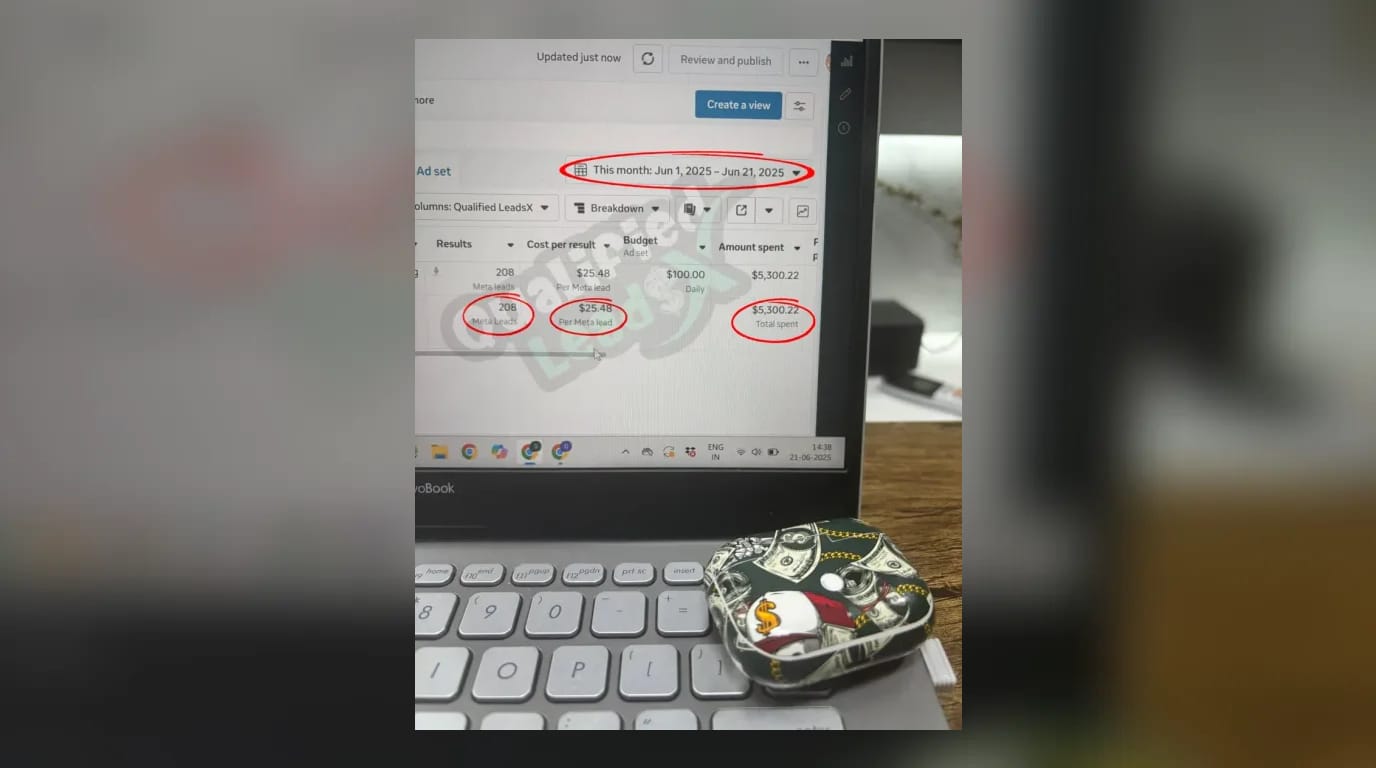
- $65K+RevenueMortgage Case Study: $65K+ Revenue on $5,300 Ad Spend
- 492Leads generatedMortgage Case Study: 492 Leads at $5.23 CPL
All MVA & personal injury lead generation case studies · All mortgage & insurance lead generation case studies
Frequently Asked Questions
How much do personal injury leads cost?
Shared MVA leads from vendors usually cost $150 to $300 each. Exclusive leads from a firm-owned Meta ads funnel cost between $4.38 and $27 per lead across our documented campaigns, depending on state, volume and how strict the qualification is.
Are Facebook leads good for personal injury firms?
They are when the funnel does the qualifying. Plain lead forms produce cheap but weak leads. A multi-step form that asks about accident date, injuries and existing representation, followed by OTP phone verification, produces leads that intake can actually sign.
What is an OTP-verified lead?
A lead who confirmed their phone number by entering a one-time code sent by text before the form submitted. It removes fake numbers, typos and bots, so every lead reaches a real person who asked to be contacted.
How fast should intake call an MVA lead?
Within 60 seconds. Accident victims often submit several requests, and the first firm to reach them usually signs them. Instant SMS plus an immediate call, with an AI agent covering nights and weekends, is the standard we build to.
Can lead sellers use this system too?
Yes. Several of our MVA campaigns run for pay-per-lead agencies that resell verified leads to firms. One generated 126 leads at $17.16 each and resold them at $150; another delivered 276 verified calls in five days in New York.

Rahul Kapoor
Co-founder of Funnels That Print and lead on CRM automation, speed-to-lead systems, AI voice calling agents and server-side tracking. Rahul has built the GoHighLevel workflows, Meta Conversions API pipelines and reminder automations behind 275+ client funnels.
More from Rahul ↗