1. What an AI Appointment Setter Actually Does
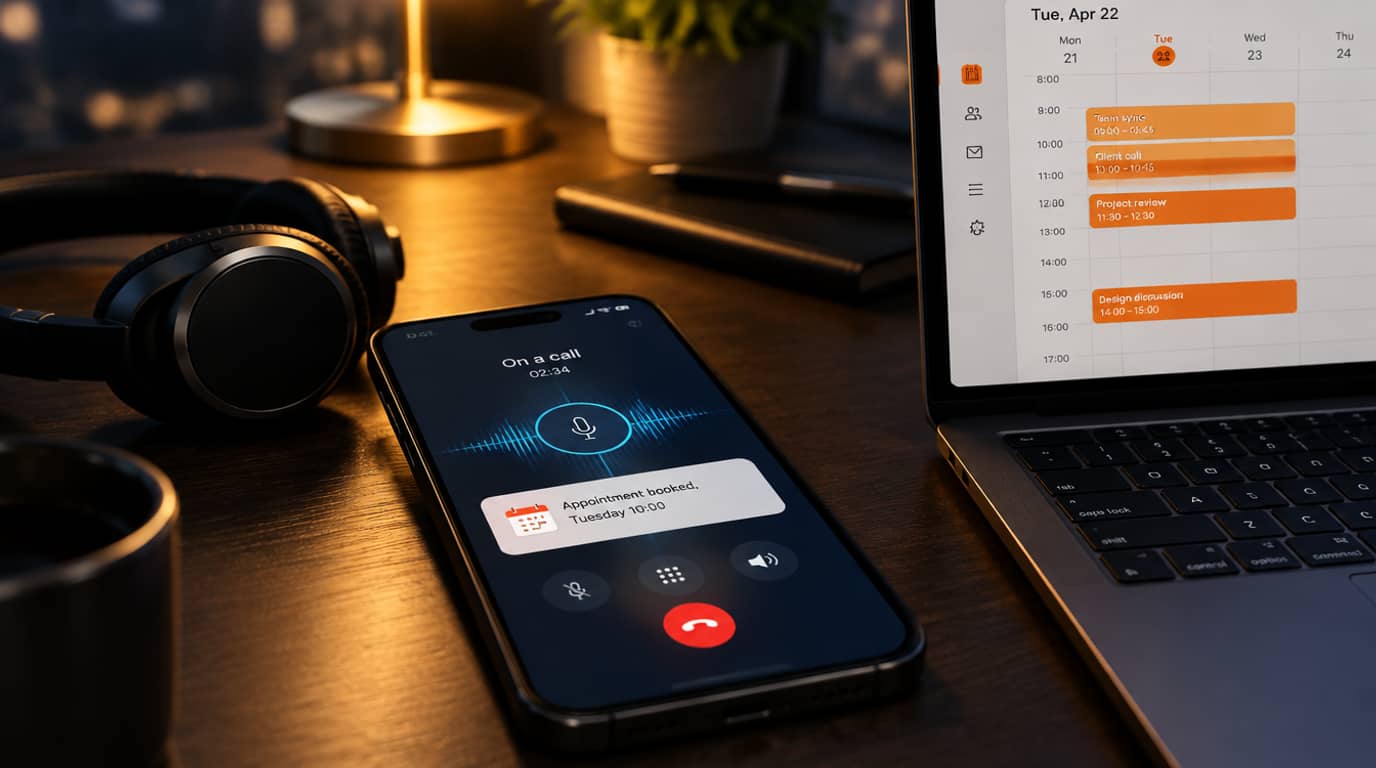
An AI appointment setter is a conversational voice agent that does the first job of a sales development rep: it calls a new lead, confirms it has the right person, asks a few qualifying questions, answers the prospect's questions, and books a slot on a salesperson's calendar. It runs 24 hours a day, calls within about 60 seconds of the form submission, and writes everything back to the CRM.
It is not a chatbot and it is not an IVR menu. The prospect speaks naturally and the agent responds in a natural voice with a latency low enough that the exchange feels like a phone call. That latency requirement is the reason this category only became usable in the last two years.
Where it sits in the funnel: after an interactive landing page captures the lead, and before the human sales call. The full architecture is in our AI sales funnel guide; this article goes deep on the setter itself.
2. What It Costs: Per Minute, Per Call, Per Booking
Pricing in this category is per minute of talk time, stacked from three layers: the voice agent platform, telephony (the phone number and minutes) and the speech models behind it. In 2026 the all-in figure is typically $0.10 to $0.25 per minute.
| Metric | Typical range | Notes |
|---|---|---|
| Cost per minute | $0.10 to $0.25 | Platform, telephony and speech combined |
| Average qualifying call | 2 to 4 minutes | Longer calls usually mean an unclear script |
| Cost per connected call | $0.30 to $1.00 | Unanswered calls cost a few cents |
| Cost per booked appointment | $3 to $9 | At 60% to 84% contact and 25% to 40% booking rates |
| Human setter, cost per booking | $40 to $120 | Salary or commission divided by bookings |
The number that matters is cost per attended appointment, which also depends on the reminder sequence after the booking. Add the build and maintenance cost: a production-grade agent with a tested script, knowledge base and CRM integration is a project, not a toggle.
3. Setup: Trigger, CRM, Calendar and Handoff
Trigger from the form
The lead submits the landing page form. The CRM workflow fires a webhook to the voice platform with the lead's name, phone, form answers and the source campaign. We run this from GoHighLevel alongside the instant SMS and email, so the lead receives a text a few seconds before the call.
Call window and retries
Call within 60 seconds during allowed hours. If unanswered, retry at 10 minutes and 2 hours, then hand the lead to the 5-day nurture sequence from the speed-to-lead stack. Outside allowed hours, send the SMS immediately and queue the call for the morning.
Calendar access
The agent reads live availability from the sales calendar (round-robin across reps if needed) and offers two specific slots rather than asking an open question. Booking writes the appointment, triggers the confirmation SMS and starts the reminder sequence.
Write-back and handoff
Every call ends with a structured outcome: qualified or not, answers to each question, objections raised, booked slot, and a two-line summary, written to the contact record and the pipeline stage. If the prospect asks for a human, the agent warm-transfers during business hours or books a callback.
4. The Four-Part Call Script
- Confirm and anchor. "Hi, is this Sarah? You just requested a quote on our website a minute ago." Referencing the form in the first sentence is what stops the call feeling like cold outreach.
- Disclose. "I'm the AI assistant for the team at [company], I can get you booked in with [rep] right now." Clear, early, unapologetic. Burying the disclosure costs trust later.
- Qualify with two to four questions taken from the offer's real criteria: timeline, budget range, decision maker, location or situation. Branch on the answers. Unqualified leads get a polite alternative path rather than a calendar slot.
- Offer two slots and confirm. "I have Tuesday at 10 or Wednesday at 2, which works better?" Then read back the time, confirm the mobile number for reminders, and end.
Questions outside the script are answered from a knowledge base of 30 to 60 approved answers about the offer, pricing ranges, process and timing. Anything beyond that triggers the handoff rule.
5. Latency, Voice and Objection Handling
Three technical choices decide whether the prospect stays on the line:
- Latency under 700 milliseconds from the end of the prospect's sentence to the start of the agent's reply. Above a second, people talk over the agent or hang up. This rules out slow model chains.
- A voice that matches the market. A calm, local-accented voice with natural pacing outperforms a polished announcer voice. Test two voices for a week each.
- Interruption handling. The agent must stop talking when the prospect starts, and it must handle "Is this a robot?" with the honest answer and a reason to continue.
For objections, the pattern is acknowledge, answer from the knowledge base, return to the booking. "I'm just looking for a price" becomes "Totally fair. Pricing depends on [two factors], which is exactly what the 15-minute call covers. I can get you Tuesday at 10 or Wednesday at 2." Every objection path is a short script, not an improvisation.
6. Disclosure, Consent and Compliance
Treat the agent like any outbound calling program. The lead must have provided their number and consented to be contacted by phone and text, which the landing page form should state next to the submit button. Disclose that the caller is an AI in the opening lines. Respect calling hours in the prospect's time zone, honour opt-outs immediately, record calls only where permitted and say so, and keep transcripts for the period your policy requires. Rules differ by country and by state, so have the script reviewed before launch.
7. Results and Where It Fails
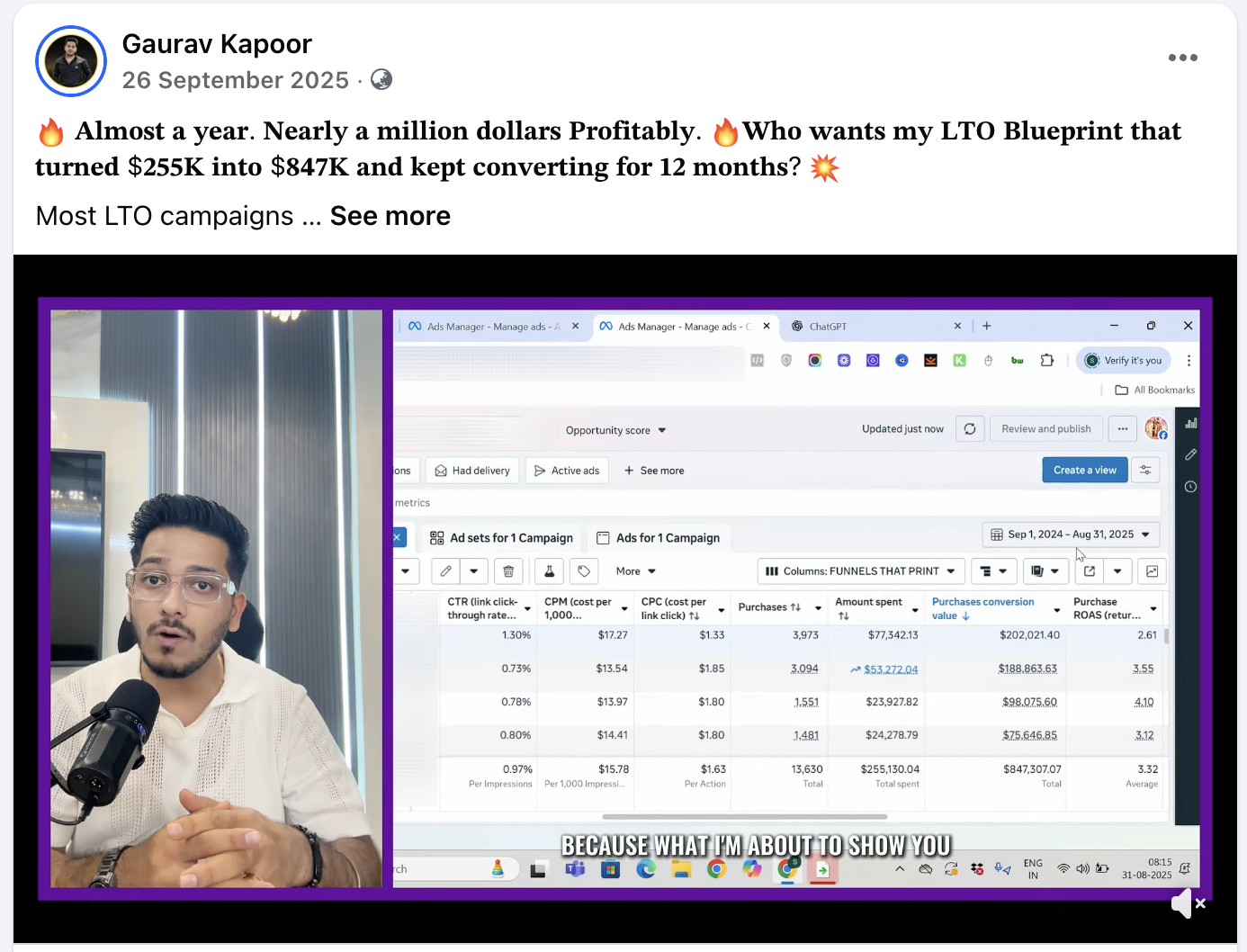
Across 60+ live deployments on the lead generation funnels we run: median first contact at 38 seconds, 84% of leads reached inside the first minute, a 2.4x lift in lead-to-booking on the same ads and landing pages, and 100% of after-hours leads worked rather than waiting for the morning. On the $1.52M consulting funnel, AI qualification was one of the four changes that cut cost per booked call from $280 to $112.
Where it fails: leads from very low-intent sources (giveaways, broad lead-form ads with no qualifying question) produce short, annoyed calls. Offers that need a long consultative first conversation suit a human setter. And an agent launched without a tested knowledge base will say something wrong in week one; test with 50 internal calls before it touches a real lead.
If you want this built and connected to your CRM, it ships as part of our AI calling and automation builds. Book a strategy call and we will map the script and routing to your offer.
Frequently Asked Questions
How much does an AI appointment setter cost?
Platform plus telephony plus speech costs land between $0.10 and $0.25 per minute of talk time in 2026. A qualifying call averages two to four minutes, and with the contact and booking rates we see that works out to roughly $3 to $9 per booked appointment, before the cost of building and maintaining the agent.
Do prospects hang up when they realise it is an AI?
Fewer than most people expect, provided the agent discloses it is an AI assistant in the first sentence, responds in under a second and gets to the point. Hang-ups rise sharply with long pauses, robotic voices and agents that refuse to answer simple questions.
Can an AI setter replace a human sales development rep?
It replaces the first call: contact, qualify, book. It does not replace the sales conversation, and it should hand off to a human the moment a prospect asks for one or raises something outside its knowledge base. Most teams keep one human setter for complex leads and let the AI handle volume and after-hours.
What CRM does an AI appointment setter work with?
Any CRM with webhooks or an API. We deploy most on GoHighLevel because the form trigger, calendar and pipeline are in one place, and the agent writes the call outcome, transcript summary and booked slot straight back to the contact record.

Rahul Kapoor
Co-founder of Funnels That Print and lead on CRM automation, speed-to-lead systems, AI voice calling agents and server-side tracking. Rahul has built the GoHighLevel workflows, Meta Conversions API pipelines and reminder automations behind 275+ client funnels.
More from Rahul ↗