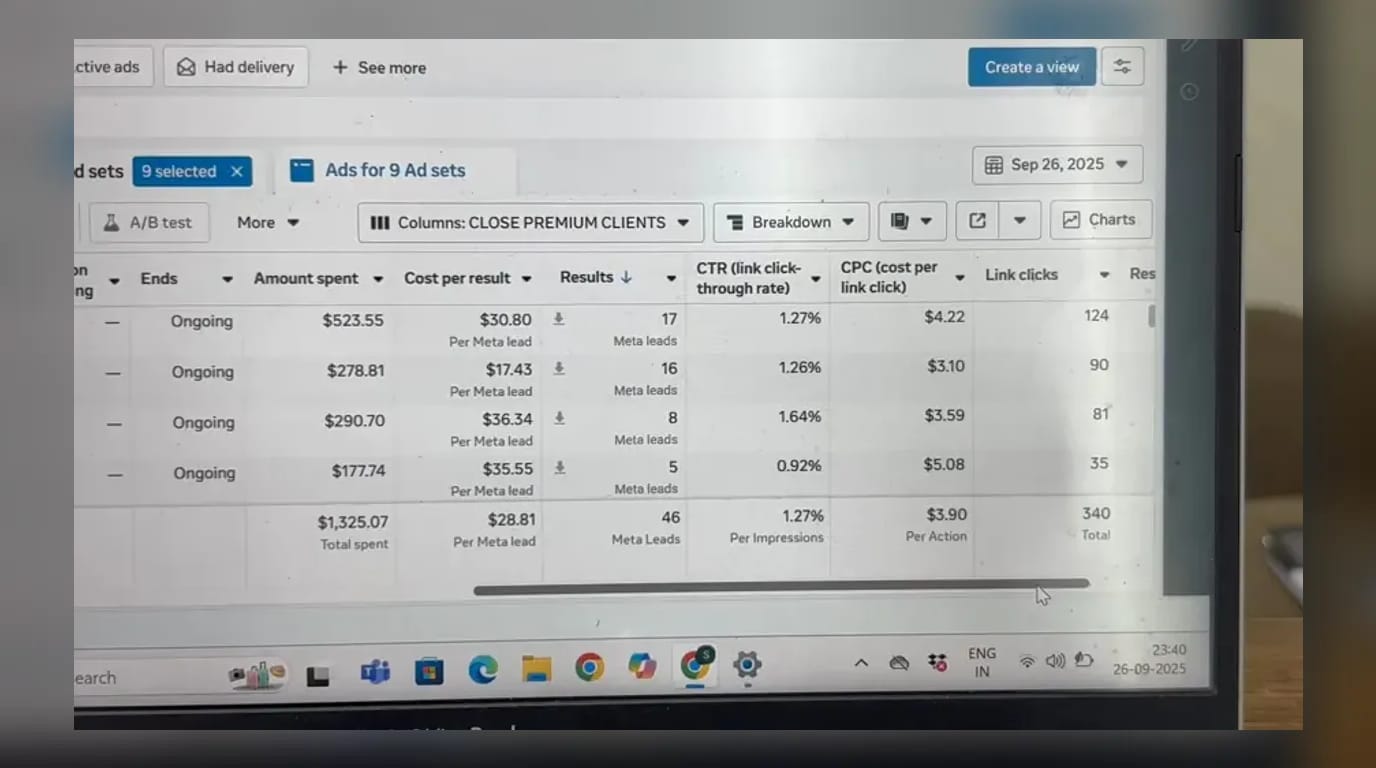
1. Measure Every Stage Before You Change Anything
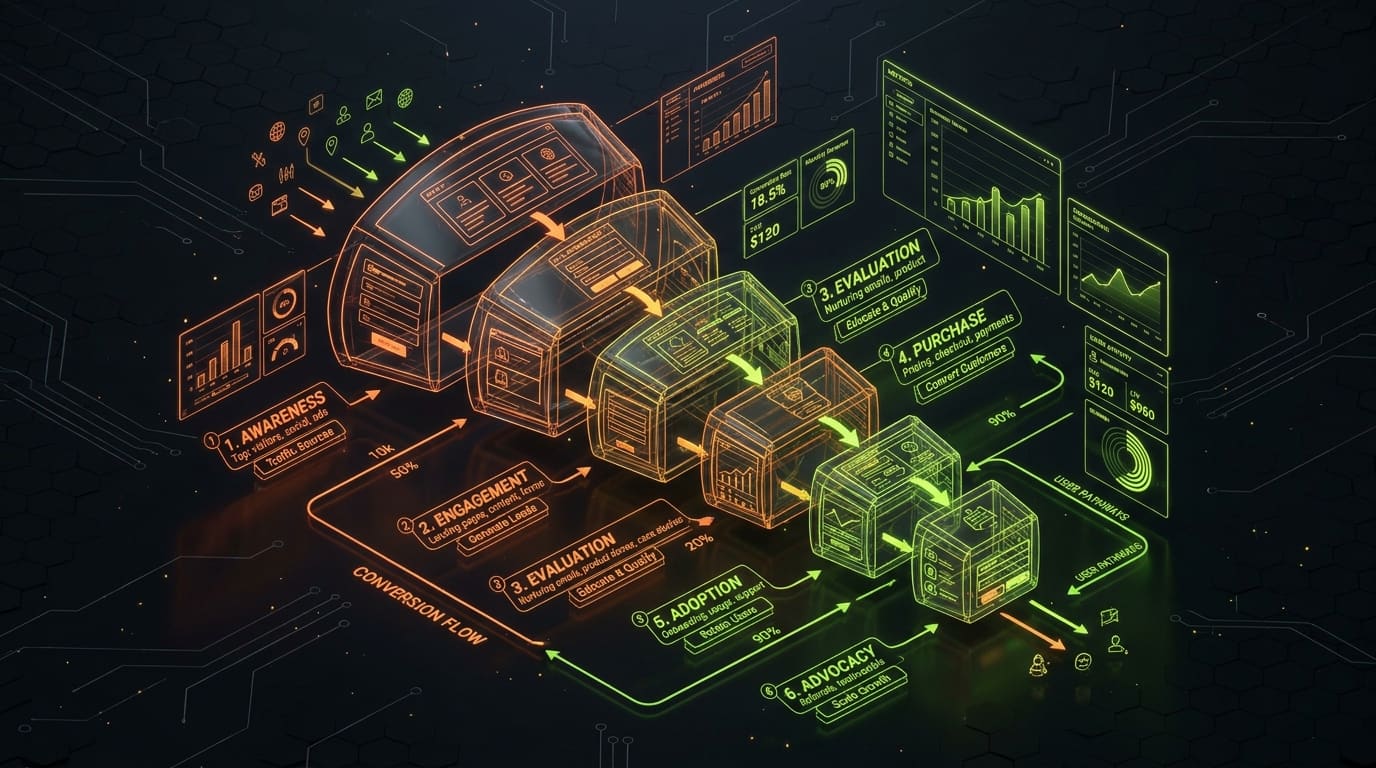
If you want to know how to increase funnel conversion rate, start by refusing to touch the page until you can see where people leave. "Our funnel converts at 2%" is not a diagnosis. A funnel is a chain of separate conversions, and each one has its own rate and its own fix.
For a typical lead-generation funnel, track these steps separately:
- Ad click to landing page view (lost here: slow pages, broken links, message mismatch)
- Page view to form start
- Form start to form submit
- Lead to contacted
- Contacted to booked call
- Booked to attended
- Attended to sale
For an ecommerce or low-ticket funnel, swap the back half for add to cart, checkout start, purchase, order bump take rate and upsell take rate. If you have not defined these stages yet, our guide to sales funnel stages shows what to measure at each one, and the funnel KPI dashboard template gives you the sheet layout.
Then make sure the numbers are real. Browser-only tracking undercounts conversions, which makes good steps look bad. On our builds, server-side Meta Conversions API setup recovered 31% more events than the pixel alone. You cannot optimize a stage you cannot see.
2. Find the Leak: A Stage-by-Stage Diagnostic
Put each stage's rate into the funnel conversion calculator and look for the step with the biggest drop measured in money, not percentage. A 50% to 55% improvement on the booking step is often worth more than a 2% to 3% improvement on the landing page, because every booked call is worth far more than a page view.
| Symptom | Likely leak | First fix to try |
|---|---|---|
| High click-through, low form starts | Message mismatch or weak first screen | Rewrite headline to repeat the ad's promise |
| Many form starts, few submits | Form too long or asks for trust too early | Multi-step form, easy questions first |
| Plenty of leads, few booked calls | Slow or weak follow-up | Call and text inside 60 seconds |
| Plenty of bookings, empty calendar slots | No-shows | 3-channel reminder sequence |
| Good attendance, few sales | Lead quality or sales process | Qualifying questions, pre-call content |
Notice that three of the five leaks happen after the lead is captured. Teams spend months testing headlines while leads sit untouched for six hours. Diagnose first, then pick from the ten fixes below in this order.
3. Fixes 1 to 3: Offer, Message Match and First Screen
Fix 1: Change the offer before the page. The offer is the biggest conversion lever you have. "Book a consultation" is a cost to the visitor. "See if you qualify for a $0-down solar install in 60 seconds" or "Get your roof estimate without a sales visit" is a benefit. In one coaching account, an offer tweak alone lifted click-through to the 4% to 6% range (see the case). More qualified clicks make every downstream rate easier.
Fix 2: Match the message. The headline should repeat the promise of the ad the visitor just clicked, in nearly the same words. If the ad says "free roof inspection after the storm", a page that opens with "Trusted roofing since 1998" breaks the thread. Build one page variant per main ad angle.
Fix 3: Make the first screen do one job. On mobile, the first screen should show the promise, one line of proof and the first action, with nothing else competing. Remove navigation menus, outbound links and secondary offers. Every extra choice is a way out.
4. Fixes 4 to 6: Form, Proof and Page Speed
Fix 4: Turn the form into a short quiz. Replace one long form with three to six multiple-choice steps, easy questions first and contact details last. Each click builds commitment, and the answers qualify the lead for sales. This is the core idea behind our quiz funnels, and it is why we compared the formats in detail in VSL vs interactive quiz funnel. Show progress, keep one question per screen and never ask for something you will not use.
Fix 5: Put specific proof next to the ask. Generic testimonials ("Great service!") do little. Specific results, named outcomes and screenshots placed right beside the button do more. If you serve several industries, show proof from the visitor's own industry. Our case studies are organized by industry for exactly this reason.
Fix 6: Make the page fast. Compress images, lazy-load anything below the first screen, cut unused scripts and heavy chat widgets, and test on a mid-range phone on mobile data. Paid traffic is impatient; a slow load wastes the click you already paid for.
5. Fixes 7 to 9: Speed-to-Lead, Booking and Show Rate
Fix 7: Contact every lead inside a minute. This is the fix with the largest documented effect in our data. Across 60+ deployments, median first contact was 38 seconds, 84% of leads were reached inside the first minute, and lead-to-booking rose 2.4x with the same ads and pages. An instant SMS plus an AI or human call is the setup; our speed-to-lead service page explains the workflow.
Fix 8: Book on the spot. Do not send a qualified lead to an empty "we will be in touch" page. Show the calendar on the thank-you page, offer two specific slots on the call, and keep the booking window inside 72 hours where capacity allows.
Fix 9: Protect the booking. A 3-channel reminder sequence across SMS, email and a voice confirmation lifted show-up rates to as high as 88% on our client funnels. The no-show reminder sequence template has the exact timing. Every attended call raises the true conversion rate of the whole funnel without a single extra click.
6. Fix 10: Checkout, Bumps and Upsells
For funnels that sell directly, conversion rate is only half the story; revenue per visitor is the other half. Three checkout fixes matter most:
- Shorten checkout to one page with the fewest fields your payment processor allows, and show the guarantee next to the pay button.
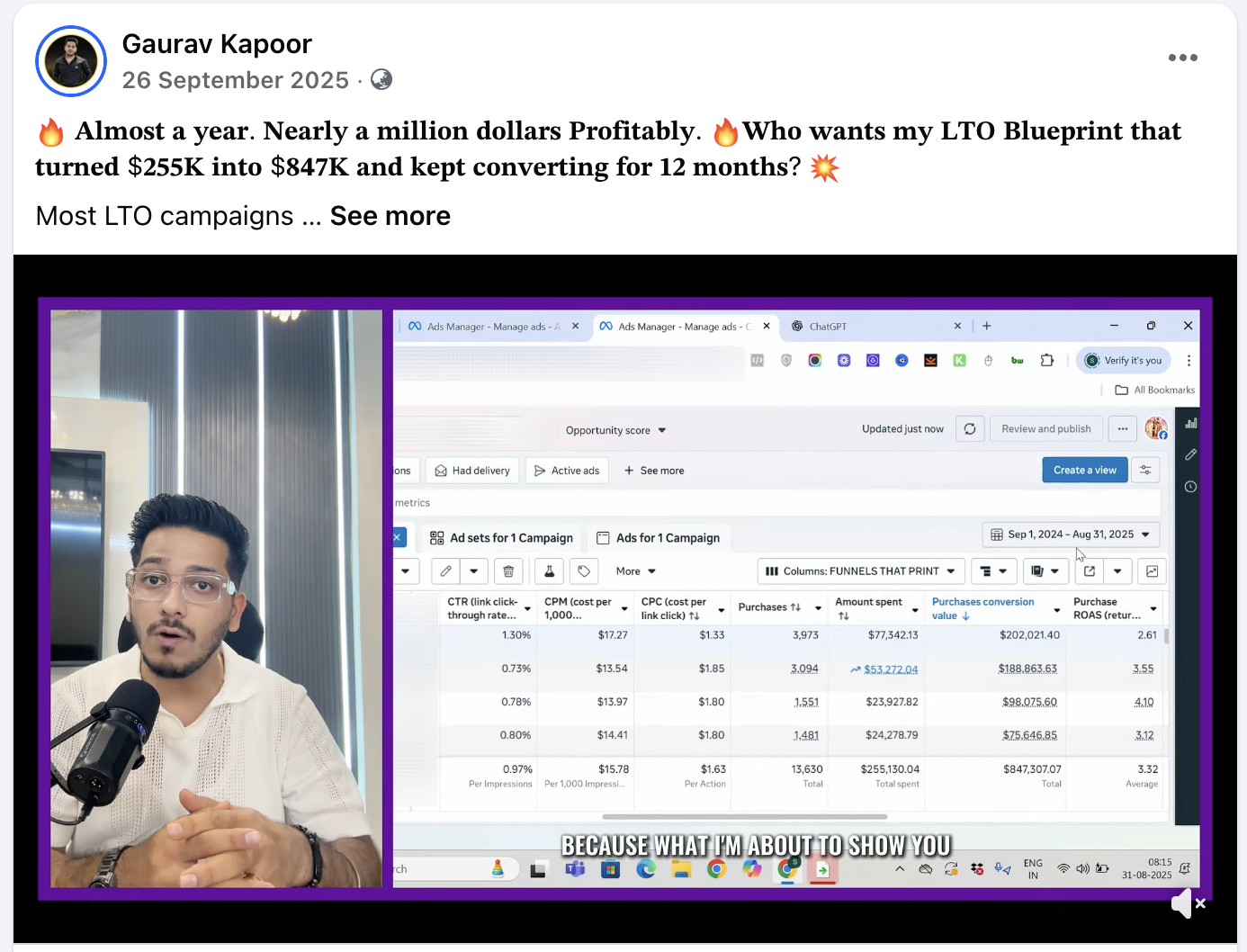
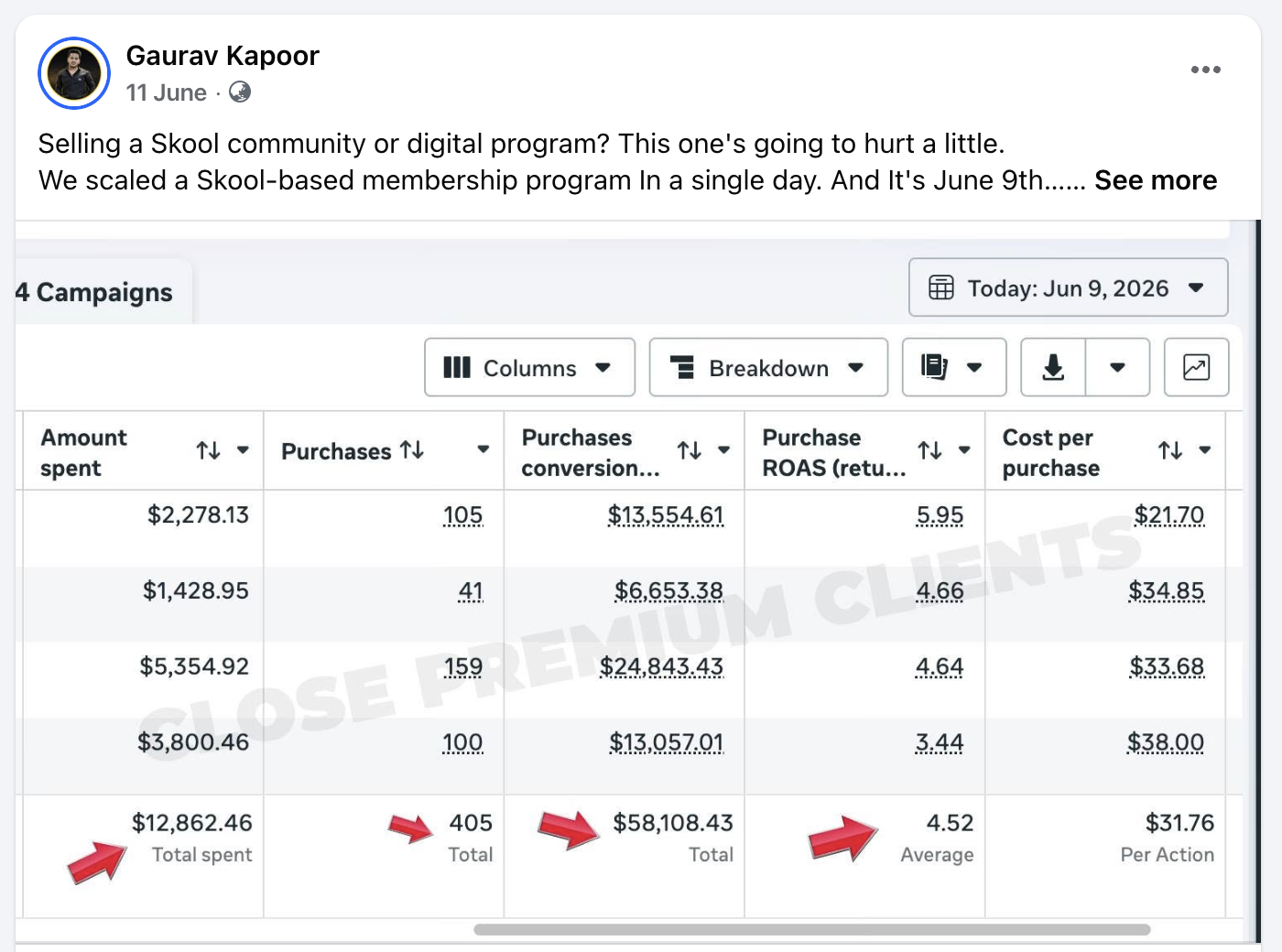
- Add an order bump: a small, related add-on as a single checkbox. On our $847K low-ticket front end, a $27 product plus a $17 bump helped recover 112% of ad spend on day zero.
- Offer one relevant upsell after purchase, then a downsell if declined. The full low-ticket breakdown shows the sequence.
A funnel that recovers its ad spend on the front end can afford to buy more traffic, which makes every other conversion improvement worth more.
7. How to Test Without Fooling Yourself
Most "winning" tests are noise. A few rules keep you honest:
- Test one big thing at a time. Offer, headline, form format. Not button colors.
- Split traffic evenly from the same source and budget, and run at least a full week.
- Wait for enough conversions, ideally a hundred or more per variant on lead steps, before calling a winner.
- Judge on the stage after. A page that lifts submits but lowers booked calls has lowered your conversion rate where it counts.
Keep a simple log of every test, the hypothesis and the result. After a quarter, that log is worth more than any best-practice list, including this one.
8. Five Mistakes That Quietly Lower Conversion Rate
Even teams that test carefully fall into the same traps. Watch for these before you blame the traffic:
- Optimizing for cheap leads instead of booked calls. Removing every qualifying question will raise the form submit rate and lower everything after it. A funnel with a slightly lower opt-in rate and a much higher booking rate wins on revenue every time. Judge changes on cost per booked call or cost per sale, never on cost per lead alone.
- Sending all traffic to the home page. A home page serves many audiences and many goals. Paid traffic should land on a page built for one offer and one action, with the navigation removed.
- Ignoring mobile. Most paid social traffic arrives on a phone. Review every step on a real device: the form keyboard type, tap targets, sticky elements that cover the button and pop-ups that cannot be closed.
- Letting tracking drift. A broken pixel or a renamed form field can make a healthy step look dead for weeks. Check that every key event fires after each change, and compare CRM counts with ad platform counts weekly.
- Changing ads and pages at the same time. If new creative and a new page launch the same day, you cannot tell which one moved the number. Stagger changes by at least a week.
Fixing these rarely needs a redesign. It needs someone to look at the full path from ad to sale with fresh eyes. If you would rather have the leaks found for you, we audit and rebuild funnels as part of our sales funnel agency service, with builds live in 5 to 10 business days. Book a strategy call and bring your stage-by-stage numbers.
Results from this playbook
Verified client results built on the system in this article, with the numbers from the ad account and CRM.
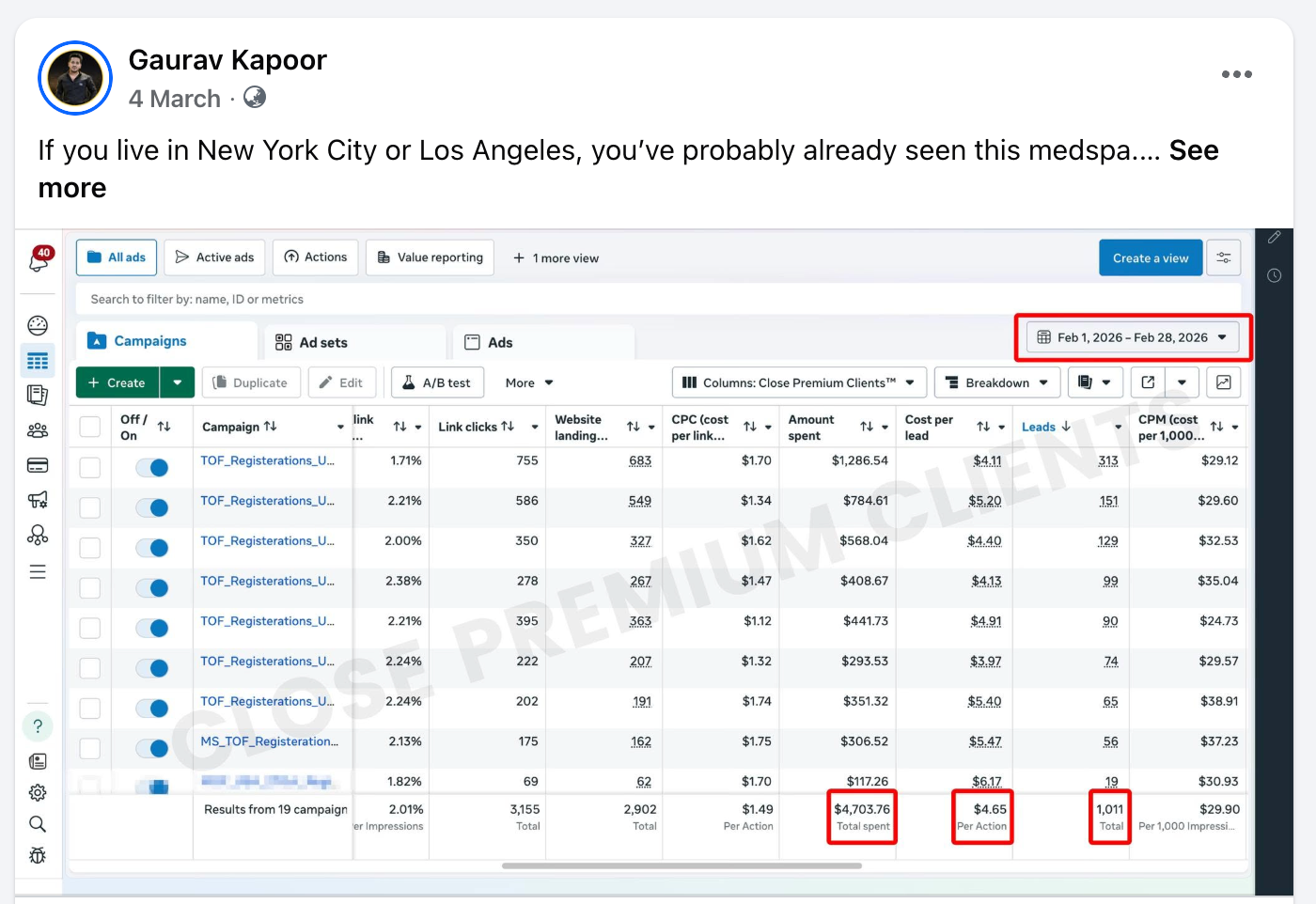
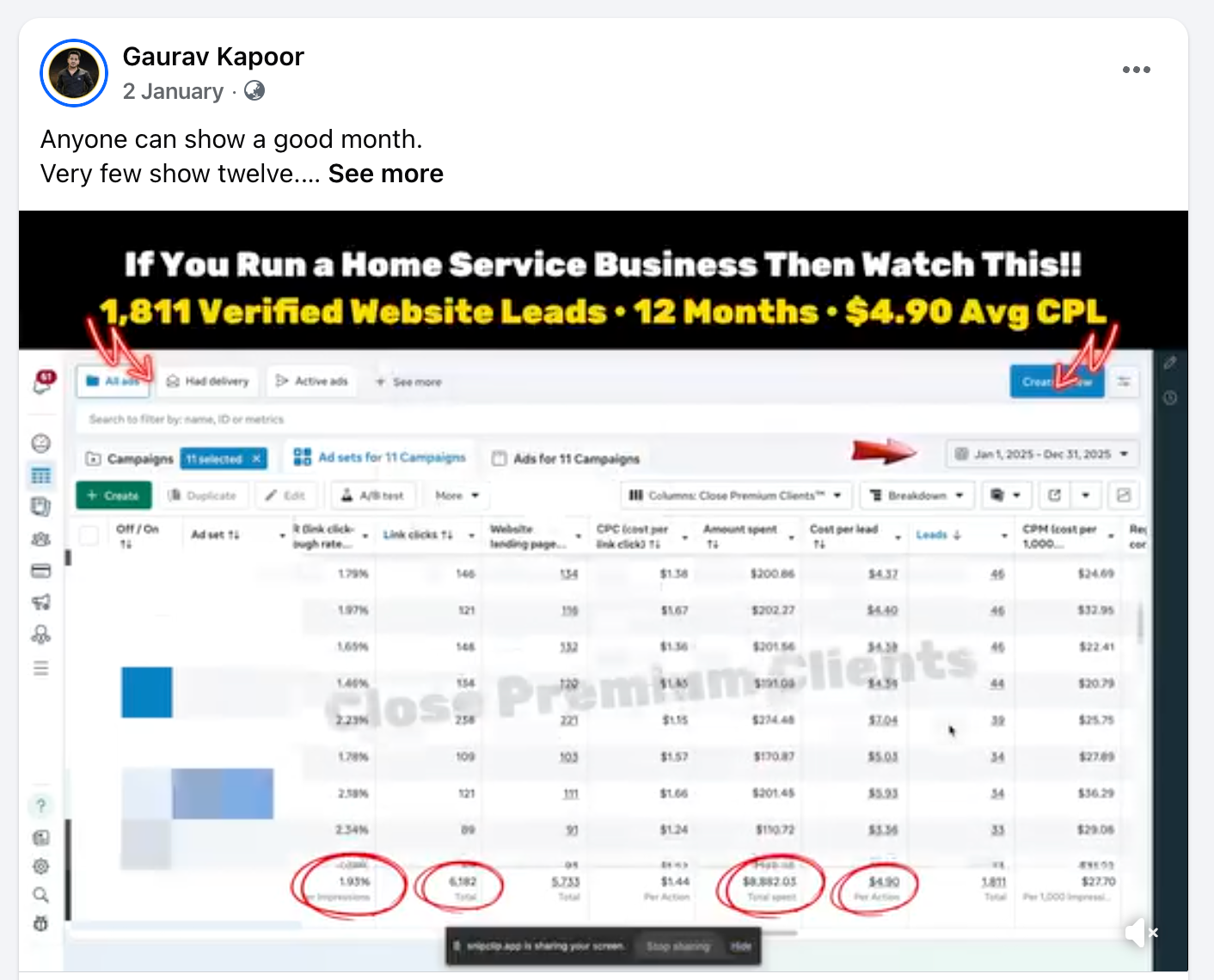
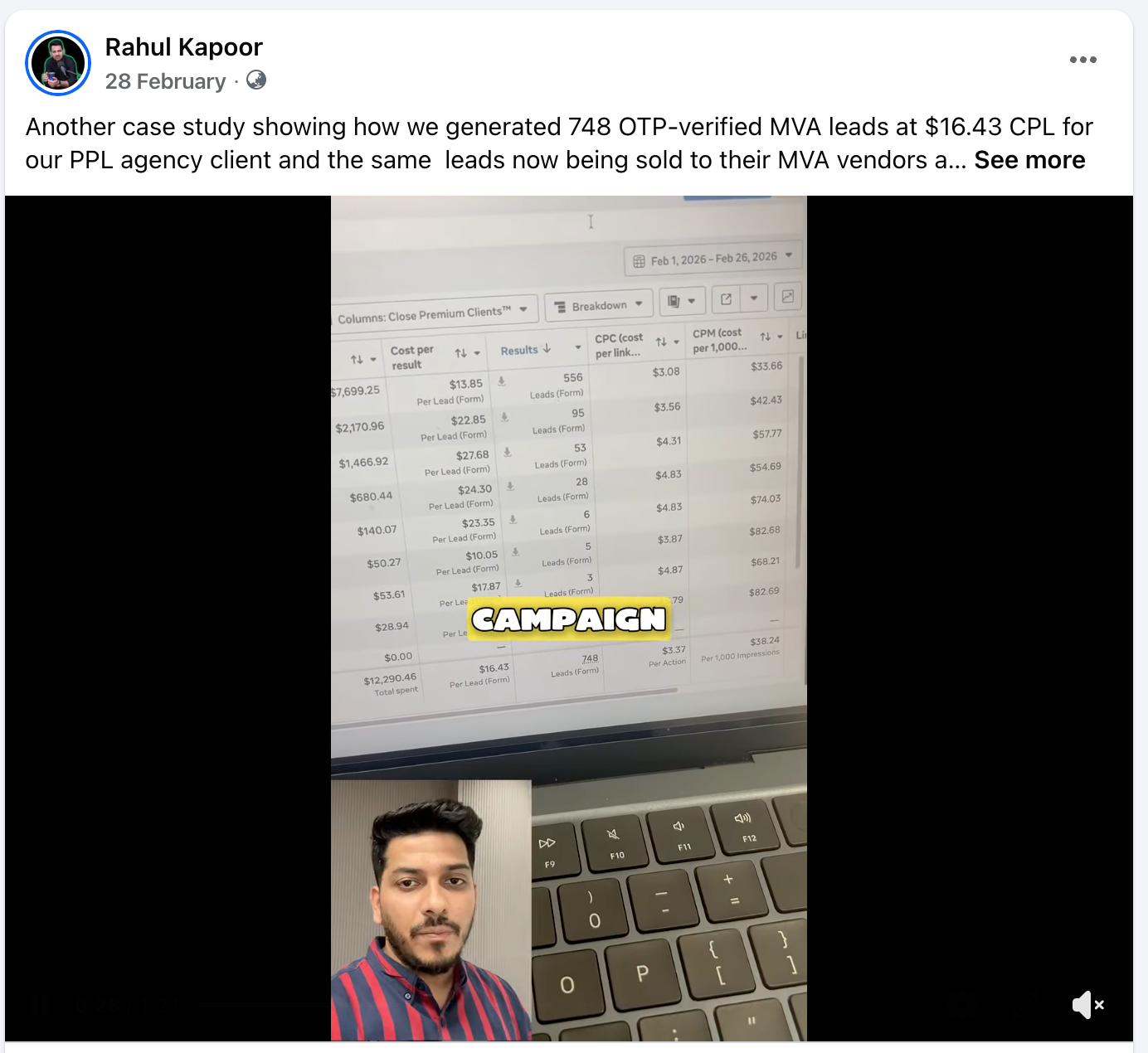
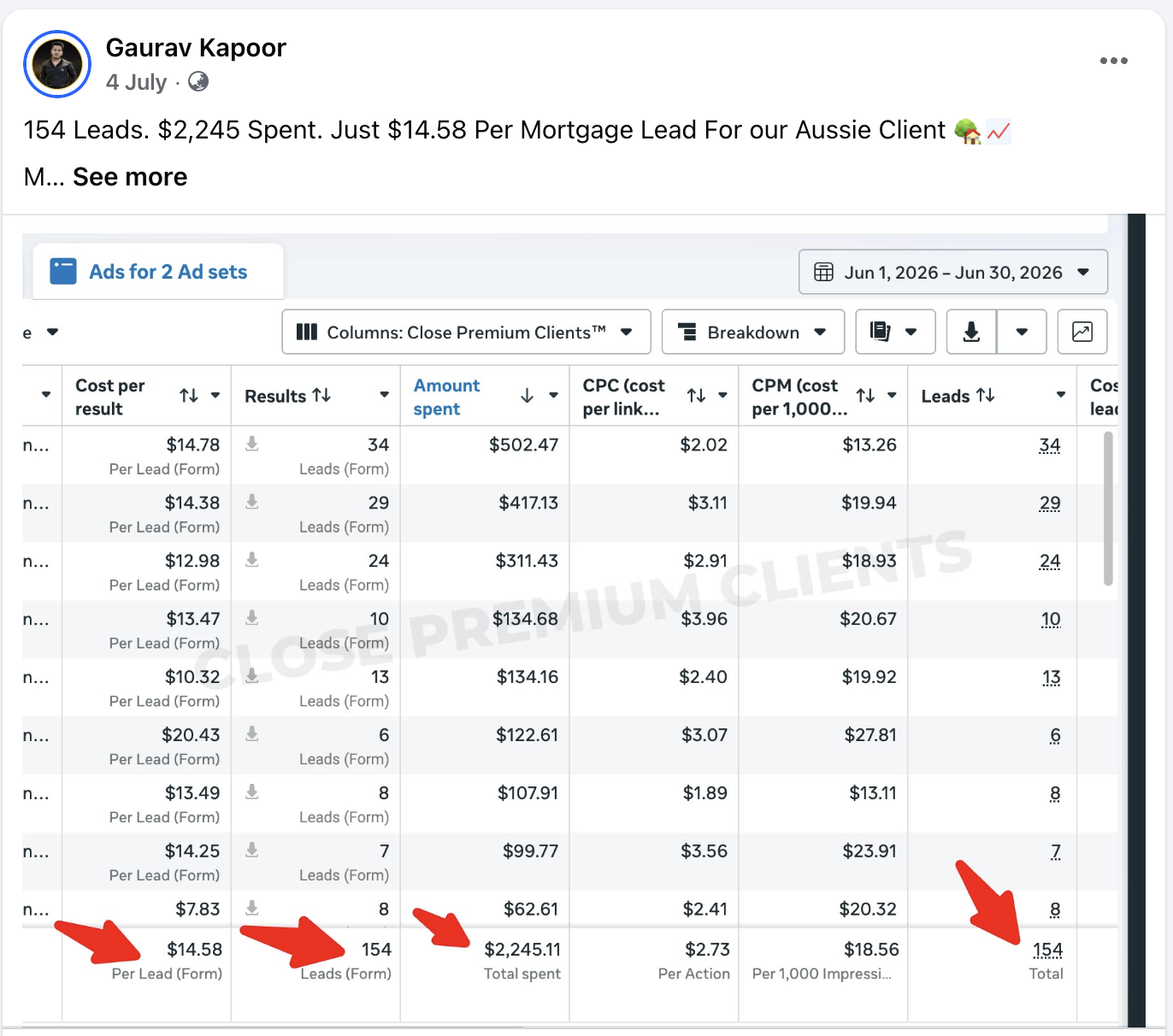
- 247Leads generatedReal Estate Case Study: 247 Leads at $16.48 CPL
- 69Leads generatedReal Estate Case Study: 69 Leads at $11.57 CPL
- $64,960RevenueWebinar Case Study: $65K Revenue on $2,184 Ad Spend
- $115,500RevenueCoaching Case Study: $116K Revenue on $2,214 Ad Spend
All real estate lead generation case studies · All coaching, consulting & webinar funnel case studies
Frequently Asked Questions
What is a good funnel conversion rate?
It depends on the step and the traffic. Cold paid traffic to a lead form often converts somewhere between a few percent and the low teens, while a warm audience to a free offer can go far higher. Compare each stage against its own history and against the same traffic source, not against a single industry average.
What should I fix first to increase funnel conversion rate?
Fix the stage with the biggest absolute drop-off measured in revenue terms. For most lead funnels that is either the first screen of the landing page or the follow-up after the lead arrives. Changing the offer or calling leads within a minute usually moves results more than any design tweak.
Do quiz funnels convert better than regular landing pages?
On cold traffic they often do, because a few easy multiple-choice questions feel lighter than a long form and each answer builds commitment. They also collect qualification data for sales. On warm traffic or simple offers a short form can win, so test both against the same audience and budget.
How long should I run a funnel test?
Run it until each version has enough conversions to trust, usually at least a hundred conversions per variant for lead steps, and for at least one full week so weekday and weekend behavior are both included. Stopping early on a lucky day is the most common reason winning tests fail to hold.
Does page speed really affect funnel conversion rate?
Yes, especially on mobile paid traffic, where many visitors leave before a slow page finishes loading. Compress images, remove unused scripts and heavy chat widgets, and keep the first screen light. A fast page will not save a weak offer, but a slow one can quietly waste a strong one.

Gaurav Kapoor
Founder of Funnels That Print. Since 2019 Gaurav has architected high-ticket and low-ticket acquisition funnels for coaching, consulting, home services, finance and DTC brands, including the $1.52M high-ticket consulting funnel and the $847K self-liquidating offer funnel documented on this site.
More from Gaurav ↗