1. What Sales Funnel Stages Are
Sales funnel stages are the steps a buyer moves through between first hearing about you and paying you, then paying you again. Naming the stages matters because each one has a different job, needs different assets and fails for different reasons. "Our funnel is not converting" is a feeling. "Forty percent of booked calls are no-shows" is a stage-level problem with a known fix.
The classic model is AIDA: attention, interest, desire, action. It is useful for writing ads, but too compressed for running a business, because it stops at the sale and hides the steps where most money is lost. We use six stages, and every one maps to something you can build, automate and measure. If you are new to the concept, our sales funnel glossary entry covers the definition and the main funnel types.
2. The Six Stages at a Glance
| Stage | Buyer's question | Your job | Primary KPI |
|---|---|---|---|
| 1. Awareness | "Is this relevant to me?" | Stop the scroll with a clear promise | Click-through rate, cost per click |
| 2. Interest | "Is this worth my details?" | Make the offer and opt-in easy | Opt-in rate, cost per lead |
| 3. Evaluation | "Is this right for me?" | Qualify, educate, prove | Contact rate, qualification rate |
| 4. Decision | "Should I talk or buy now?" | Book the call or start checkout | Booking rate, show rate |
| 5. Purchase | "Do I trust this enough to pay?" | Remove risk, close, add value | Close rate, average order value |
| 6. Retention | "Was it worth it?" | Deliver, upsell, ask for referrals | Repeat rate, referral rate |
Stages 1 and 2 are mostly marketing. Stages 3 and 4 are where marketing hands over to sales, and where most funnels leak. Stages 5 and 6 decide whether a customer is worth one sale or ten.
3. Stages 1 and 2: Awareness and Interest
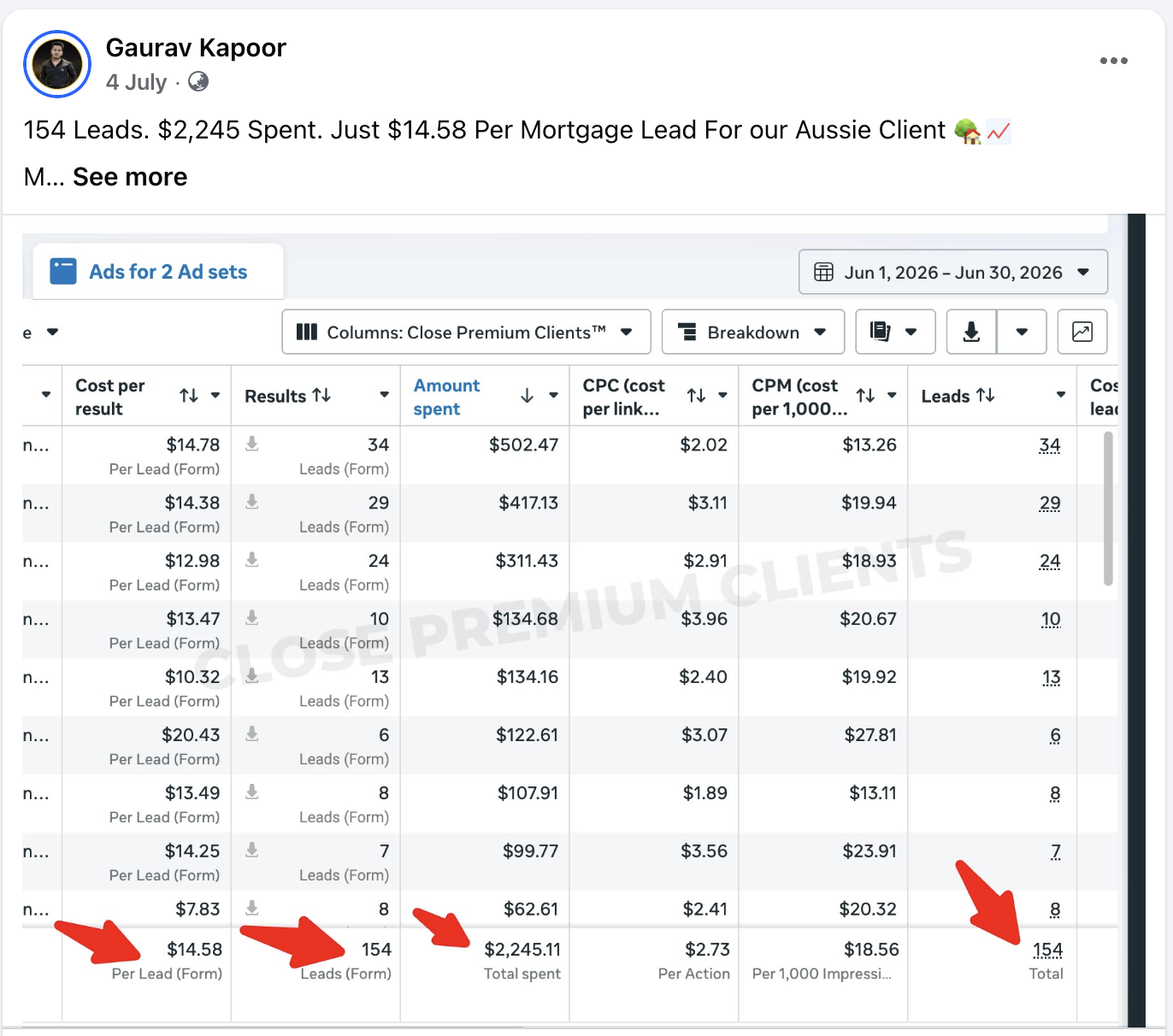
Awareness is the first time someone sees you, usually an ad, a search result, a video or a referral. The buyer is not looking for a company; they are looking for a fix to a problem. The job of this stage is to name that problem and promise a specific outcome in a way that earns a click. Assets: ad creative, hooks, short videos, search ads, organic content. Watch click-through rate and cost per click. In one coaching account, changing the offer alone lifted click-through to the 4% to 6% range (see the case), which made every later stage cheaper.
Interest is the click and the opt-in. The visitor lands on a page and decides whether your offer is worth their contact details. Assets: a landing page with message match, a lead magnet or a consult offer, and ideally a short multi-step form instead of a long contact form. The primary KPI is opt-in rate, with cost per lead as the money version. Build retargeting audiences here too, so visitors who leave can be brought back.
4. Stages 3 and 4: Evaluation and Decision
Evaluation starts the moment the lead arrives. The buyer is comparing you with alternatives, often the two other companies whose forms they filled in at the same time. Your job is to reach them first, qualify them and give them reasons to choose you. Assets: instant SMS, a call inside 60 seconds (human or AI), qualifying questions, case studies and a nurture sequence for leads who are not ready yet. Across 60+ speed-to-lead deployments, median first contact was 38 seconds, 84% of leads were reached inside the first minute and lead-to-booking rose 2.4x on the same ads. See our speed-to-lead service for the workflow.
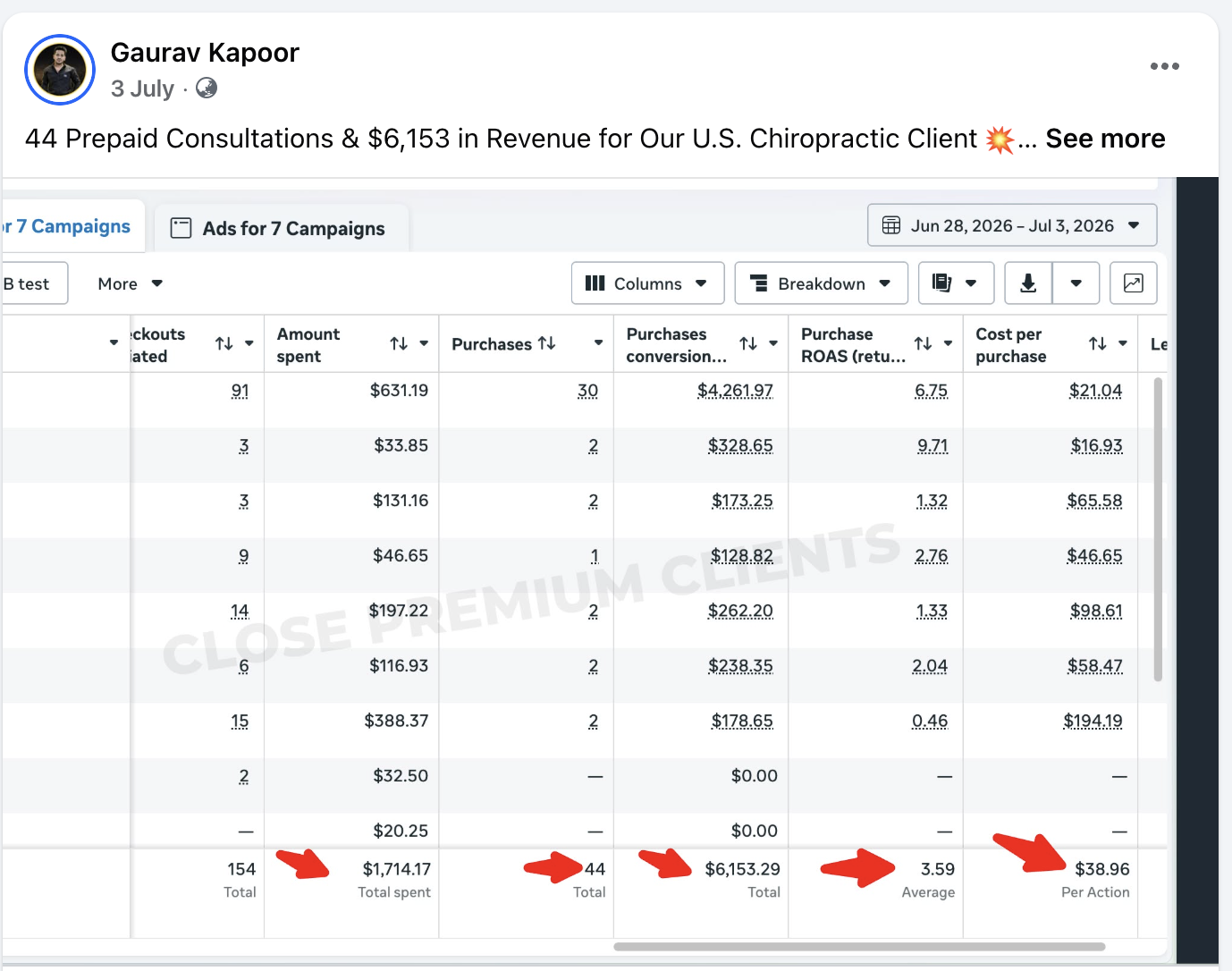
Decision is the commitment: a booked call for a service business, a started checkout for a product. The leak here is no-shows and abandoned checkouts. Assets: a calendar on the thank-you page, two-slot booking on the phone, a pre-call video, and a reminder sequence across SMS, email and voice. With 3-channel reminders, show-up rates on our client funnels reached up to 88%. Track booking rate and show rate separately, because they fail for different reasons. The no-show reminder sequence template has the timing we use.
5. Stages 5 and 6: Purchase and Retention
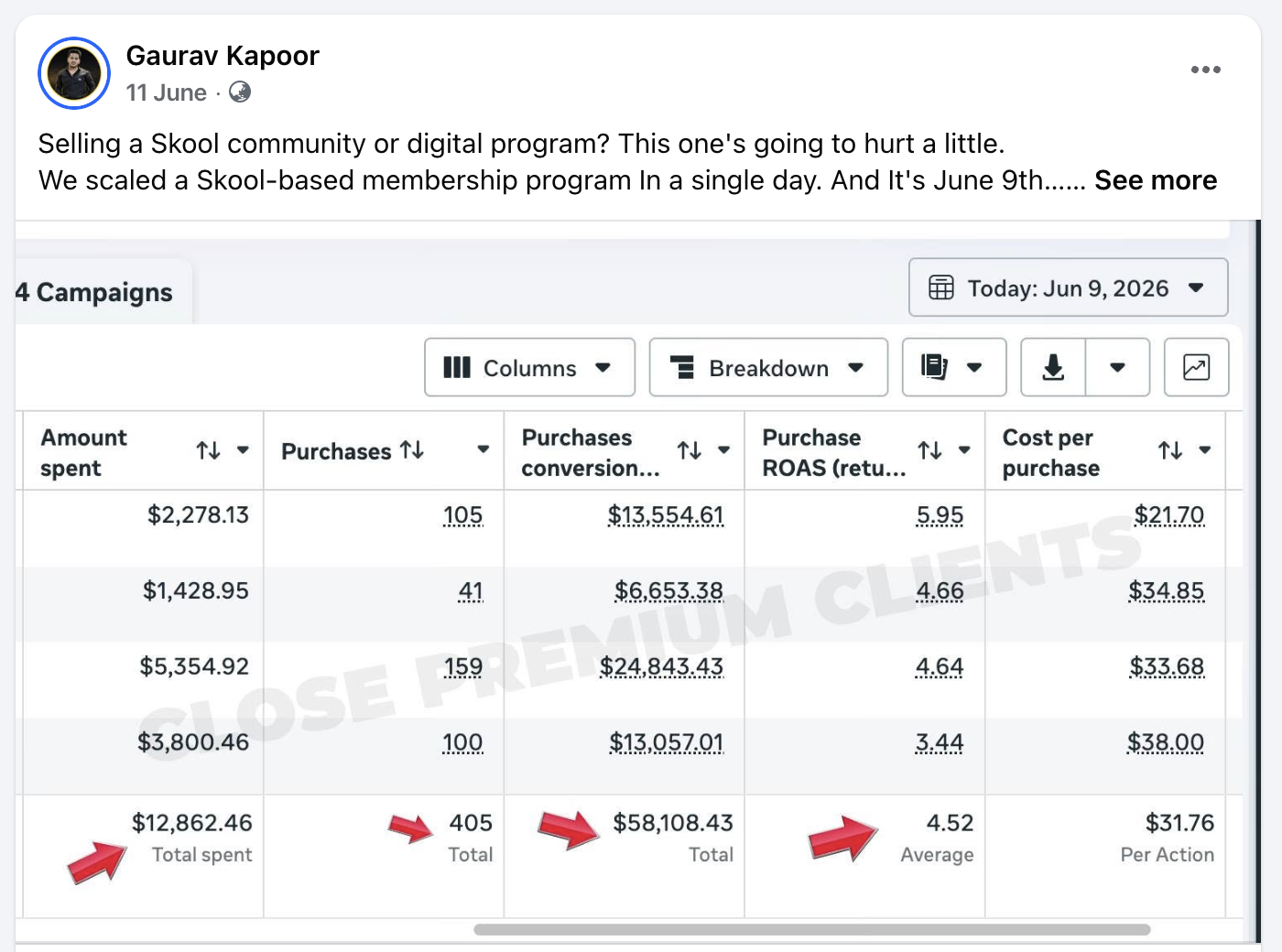
Purchase is the sales call that closes, or the checkout that completes. Assets: a consistent sales script, a clear offer with a guarantee, a one-page checkout, and for product funnels an order bump and a post-purchase upsell and downsell. Track close rate for calls, checkout conversion for products and average order value for both. Raising order value at this stage is what lets you pay more for traffic at stage 1.
Retention is everything after the first payment: onboarding, delivery, repeat purchases, upgrades and referrals. Most funnel diagrams stop before this stage, which is why so many businesses rebuy their own customers through ads. Assets: onboarding emails, check-in calls, review requests, referral offers and reactivation campaigns. Track repeat purchase rate, referral rate and lifetime value. A customer who refers one other customer has halved their own acquisition cost.
6. Mapping Stages to Your CRM Pipeline
Funnel stages describe the journey. CRM pipeline stages are where that journey becomes data. Every lead should sit in exactly one pipeline stage, and each move should be triggered by an event, not a manual guess.
| Funnel stage | Pipeline stage(s) | Trigger to move |
|---|---|---|
| Interest | New lead | Form submitted |
| Evaluation | Contacted, Qualified, Nurture | Call connected, answers meet criteria |
| Decision | Booked, Attended, No-show | Appointment created, call attended or missed |
| Purchase | Proposal, Won, Lost | Proposal sent, payment received |
| Retention | Onboarding, Active, Referral | Onboarding complete, referral submitted |
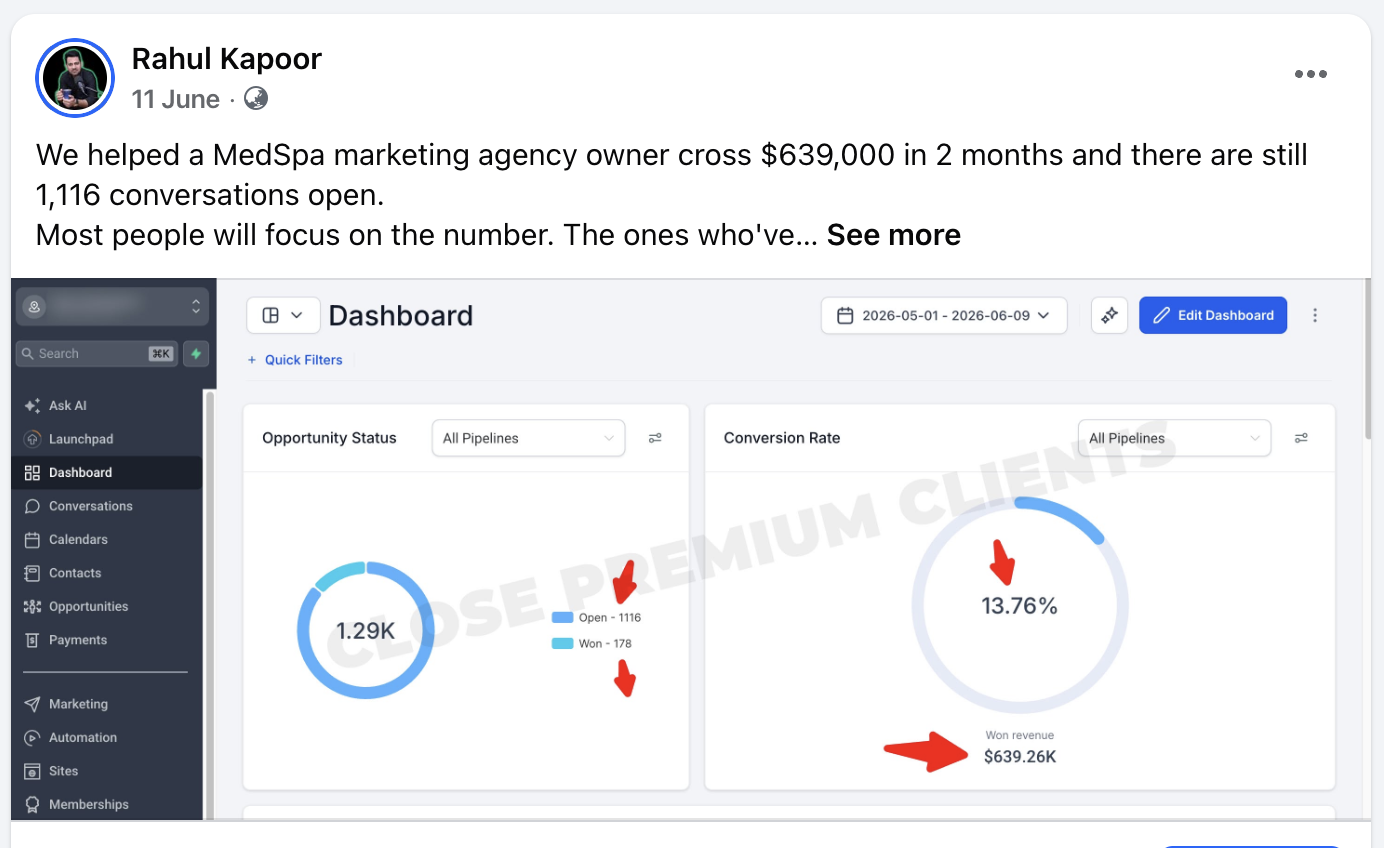
Awareness has no pipeline stage because the person is not a contact yet; it lives in your ad platform. Once the pipeline mirrors the funnel, every automation hangs off it: speed-to-lead fires on "New lead", nurture runs in "Nurture", reminders run in "Booked" and reactivation starts in "No-show". This is the backbone of every CRM automation build we deliver.
7. How the Stages Change by Business Model
The six stages are universal, but where the weight sits changes with the business model:
- High-ticket services and coaching. Evaluation and decision carry the most weight: applications, qualifying calls, pre-call content and show rate. Our $1.52M high-ticket consulting funnel is a study in tightening those middle stages.
- Low-ticket offers. Interest and purchase compress into a single page and checkout, and the order bump and upsells at the purchase stage fund the ads. Our $847K low-ticket front end paired a $27 product with a $17 bump and recovered 112% of ad spend on day zero.
- Local services and lead generation. Evaluation is a race: the first company to call usually books the job, so speed-to-lead dominates.
- Ecommerce. Decision and purchase blur into add to cart and checkout, and retention through email and SMS drives profit.
If you want to see these structures in real builds, our sales funnel examples walk through each model.
8. Common Mistakes at Each Stage
When we audit funnels, the same mistakes show up stage after stage:
- Awareness: talking about yourself. Ads that lead with the company name, years in business or a logo lose to ads that lead with the buyer's problem and a specific promise.
- Interest: asking for too much too soon. A ten-field contact form on the first screen scares off cold traffic. Ask easy questions first and contact details last.
- Evaluation: waiting to follow up. A lead called the next morning has usually spoken to a competitor already. If no one can call within a minute, automate the first contact.
- Decision: booking too far out. Calls booked a week away no-show far more than calls booked within 72 hours. Limit availability and run reminders on every channel.
- Purchase: one offer and nothing else. No bump, no upsell, no payment plan. Average order value stays flat, and so does what you can afford to pay for traffic.
- Retention: no plan at all. Customers who never hear from you after delivery rarely buy again or refer, and you end up paying ads to win them back.
Most of these are fixed with automation rather than more staff. Our email nurture sequence template covers the evaluation stage, and the reminder template above covers decision.
9. Measuring Every Stage on One Dashboard
Put one primary KPI per stage, plus cost per stage, on a single weekly dashboard split by traffic source. Our funnel KPI dashboard template has the layout, and the funnel conversion calculator shows how a change at one stage flows through to revenue.
Three rules keep the dashboard honest. Pull stage counts from the CRM, not from memory. Compare each stage with its own history, not with a generic benchmark. And judge every change by the stage after it: a landing page that lifts opt-ins but lowers booked calls has made the funnel worse. When you know which stage is leaking, our guide on how to increase funnel conversion rate lists the fixes in priority order.
We build the full stack, from pages to pipeline to reporting, in 5 to 10 business days. Book a strategy call and we will map your current funnel against these six stages.
Results from this playbook
Verified client results built on the system in this article, with the numbers from the ad account and CRM.
- $1,000,000+ScaledDTC Brand Case Study: $1M+ in Sales at 4.6x ROAS
- $449,221in 49 DaysShopify Store Case Study: $449K in 49 Days at 4.2x ROAS
- $64,960RevenueWebinar Case Study: $65K Revenue on $2,184 Ad Spend
- $115,500RevenueCoaching Case Study: $116K Revenue on $2,214 Ad Spend
All Shopify & DTC eCommerce case studies · All coaching, consulting & webinar funnel case studies
Frequently Asked Questions
What are the stages of a sales funnel?
A practical model uses six stages: awareness, when someone first sees you; interest, when they engage or opt in; evaluation, when they compare and qualify; decision, when they book or start checkout; purchase, when they pay; and retention, when they buy again or refer. Older models such as AIDA compress these into four.
What is the difference between funnel stages and pipeline stages?
Funnel stages describe the buyer's journey from first contact to repeat purchase. Pipeline stages are the specific statuses a lead moves through inside your CRM, such as new, contacted, booked and won. Good setups map each funnel stage to one or more pipeline stages, so the journey can be measured with real data.
Which sales funnel stage is most important?
The one leaking the most revenue for you right now. For most lead-generation businesses that is the gap between lead and booked call, where slow follow-up loses buyers, or between booking and attendance, where no-shows waste paid appointments. Measure every stage first, then fix the largest drop in money terms.
How many stages should my sales funnel have?
Enough to see where people drop off, and no more. Six stages work for most businesses. A simple low-ticket funnel might only track view, opt-in, purchase and upsell, while a high-ticket service may add application, qualification call and proposal. Each stage needs one clear action that moves the buyer to the next.
What KPIs should I track at each funnel stage?
Track one primary metric per stage: cost per click or click-through rate for awareness, opt-in rate for interest, qualification or contact rate for evaluation, booking and show rate for decision, close rate or checkout conversion for purchase, and repeat purchase or referral rate for retention. Add cost per stage so spend ties to results.

Rahul Kapoor
Co-founder of Funnels That Print and lead on CRM automation, speed-to-lead systems, AI voice calling agents and server-side tracking. Rahul has built the GoHighLevel workflows, Meta Conversions API pipelines and reminder automations behind 275+ client funnels.
More from Rahul ↗