1. Why Speed to Lead Statistics Matter
Speed to lead statistics answer one practical question: how much revenue do you lose for every minute a new lead waits? The answer from both published research and our own client data is the same in direction, if not in exact size. Leads go cold fast, and the business that reaches them first usually gets the conversation.
The problem with most statistics pages on this topic is that they repeat the same few numbers without saying where they came from, and some of the figures in circulation cannot be traced to any study at all. In this article we separate three things clearly: what the two best-known studies actually covered, what we measured ourselves across more than 60 deployments, and what you should measure in your own business.
If you need the definition first, see our speed to lead glossary entry. If you already know the theory and want the system, our speed-to-lead service page shows what we build.
2. What the Published Research Says
Two pieces of research are behind almost every lead response statistic you will see. Both are more than a decade old, both were run before AI calling existed, and both point the same way.
Harvard Business Review, "The Short Life of Online Sales Leads" (2011)
Written by James Oldroyd, Kristina McElheran and David Elkington and published in Harvard Business Review in March 2011, this article reported an audit of 2,241 US companies that were sent web-generated test leads and timed on their response. The headline findings, as reported in the article and widely summarized since, were that companies which tried to contact a lead within an hour were nearly seven times as likely to qualify it as those that waited even an hour longer, and that a large share of companies took more than 24 hours to respond or never responded at all. Average response times were measured in days, not minutes.
The Lead Response Management study (Oldroyd and InsideSales.com)
The second source is the Lead Response Management study, a 2007 analysis of call data from InsideSales.com customers led by James Oldroyd, then at MIT. It is often called "the MIT study", although it was vendor data analyzed by an academic rather than a peer-reviewed paper. Its most quoted finding is that the odds of reaching a lead fell around 100 times, and the odds of qualifying it around 21 times, when the first call came 30 minutes after the inquiry instead of 5 minutes.
Treat the exact multipliers as directional. The samples are old, the methods differ, and many pages online quote figures neither study published. What holds up is the shape of the curve: response odds are highest in the first few minutes and fall steeply after that. That is why we measure our own results in seconds.
3. Our First-Party Data From 60+ Deployments
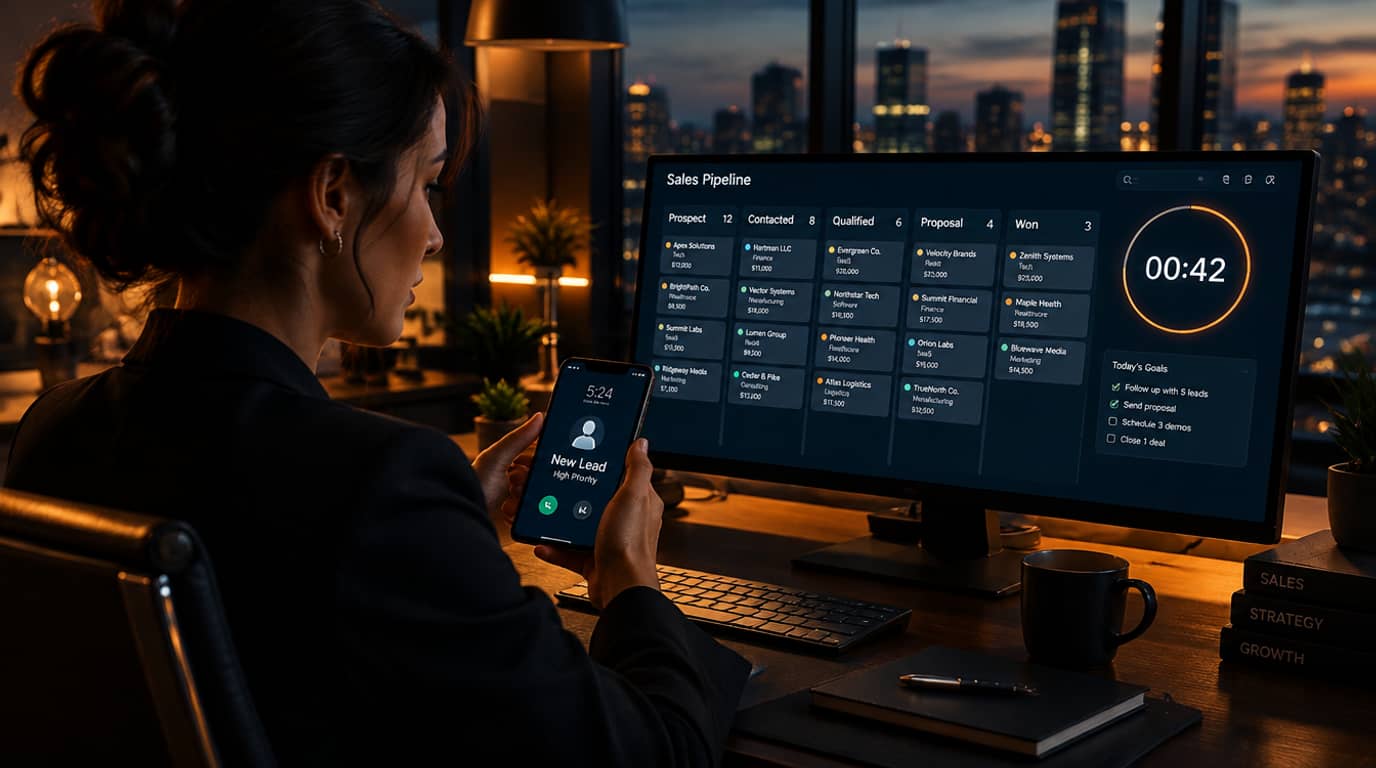
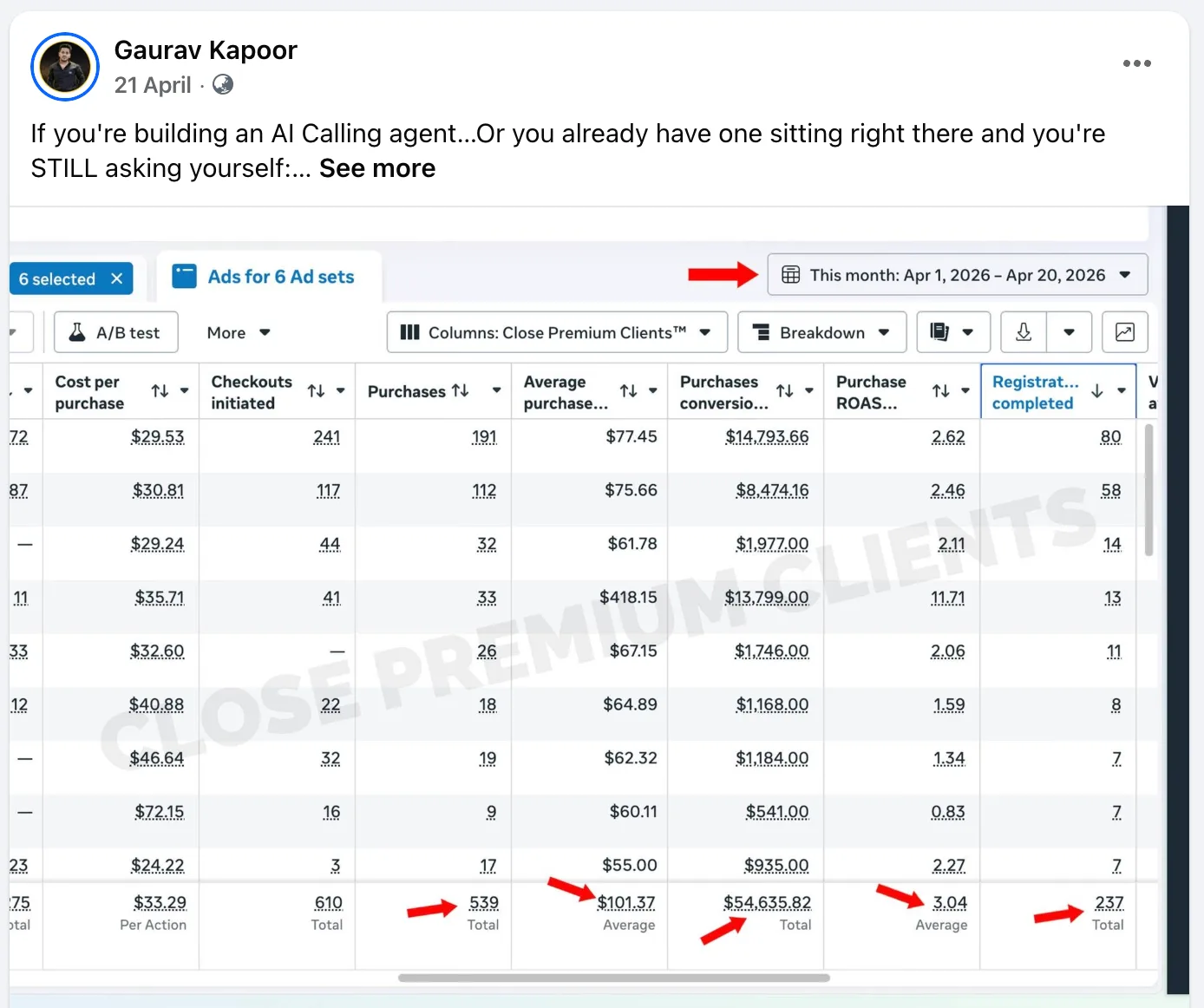
Since 2019 we have documented more than 275 client results, and more than 60 of those builds included an automated speed-to-lead layer: an instant text, an immediate call attempt, CRM routing and a booking link. Here is what that layer produced.
- Median first contact: 38 seconds. Measured from form submit to the first outbound contact attempt.
- 84% of leads reached inside the first minute. The remaining leads were mostly submissions with wrong numbers or leads who asked for a later callback.
- Lead-to-booking up 2.4x. Compared with the same client's previous follow-up process, on the same ads and landing pages.
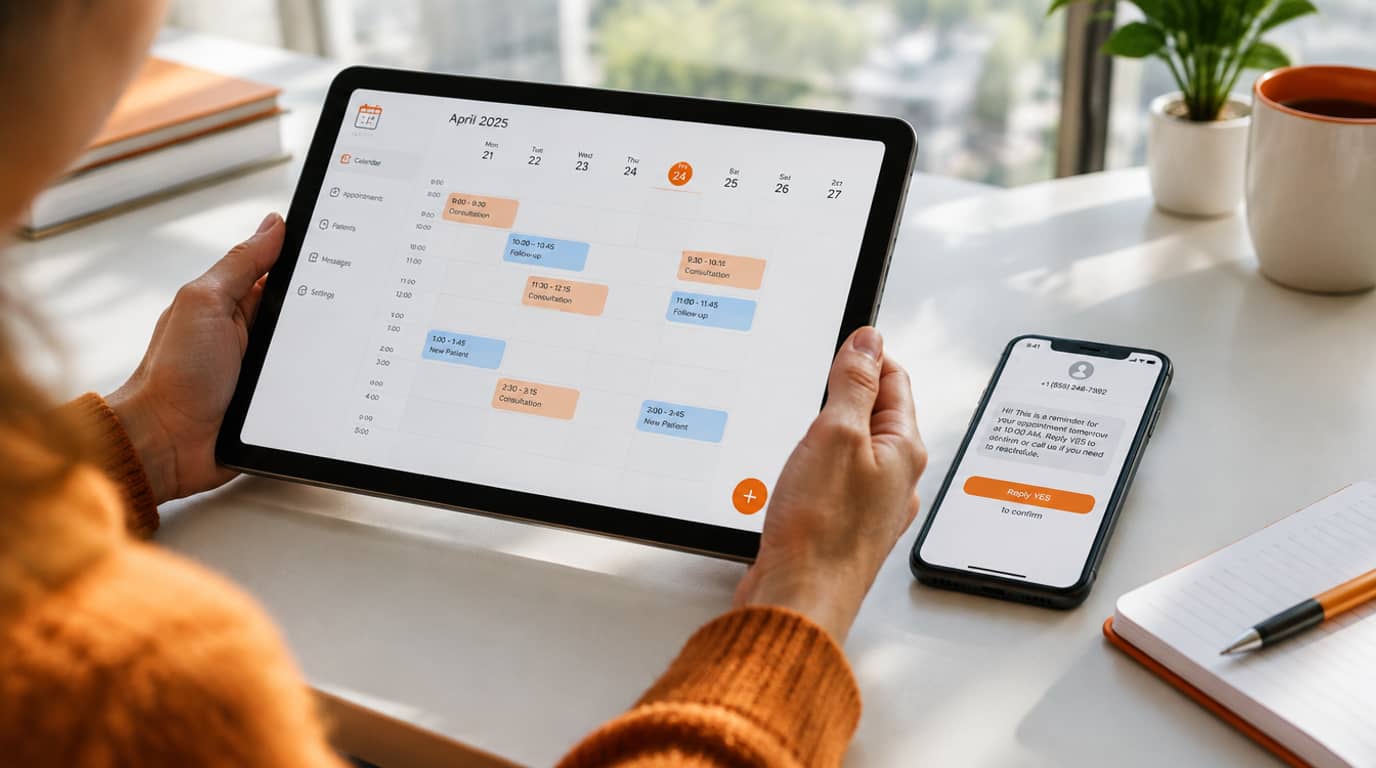
- Show-up rate up to 88% once the booked call was protected with three-channel reminders across SMS, email and calls.
The important detail is what did not change. The ads, the offer and the pages stayed the same. The only difference was how quickly and how consistently a human or an AI voice agent reached the lead. We walk through the exact workflow in our 60-second follow-up automation guide.
4. Speed to Lead Statistics at a Glance
The table keeps each figure next to its source and how much weight it can carry.
| Statistic | Source | How to use it |
|---|---|---|
| Contact within an hour: nearly 7x more likely to qualify than an hour later | Harvard Business Review, 2011 | Directional; B2B and B2C web leads audited in 2010 |
| Many companies took more than 24 hours or never responded | Harvard Business Review, 2011 | Shows how low the bar still is in most markets |
| Contact odds about 100x lower at 30 minutes vs 5 minutes | Lead Response Management study, 2007 | Directional; vendor call data, not peer reviewed |
| Qualification odds about 21x lower at 30 minutes vs 5 minutes | Lead Response Management study, 2007 | Directional; same caveats |
| Median first contact 38 seconds | Funnels That Print, 60+ deployments | A realistic automated benchmark |
| 84% of leads reached inside 60 seconds | Funnels That Print, 60+ deployments | Target share for your own reporting |
| Lead-to-booking 2.4x higher | Funnels That Print, 60+ deployments | Expected scale of the upside |
5. Speed to Lead by Industry
The first minute matters everywhere, but the reason it matters changes by industry. These notes come from our builds; the linked case studies show the lead volumes involved.
Roofing, HVAC and home services
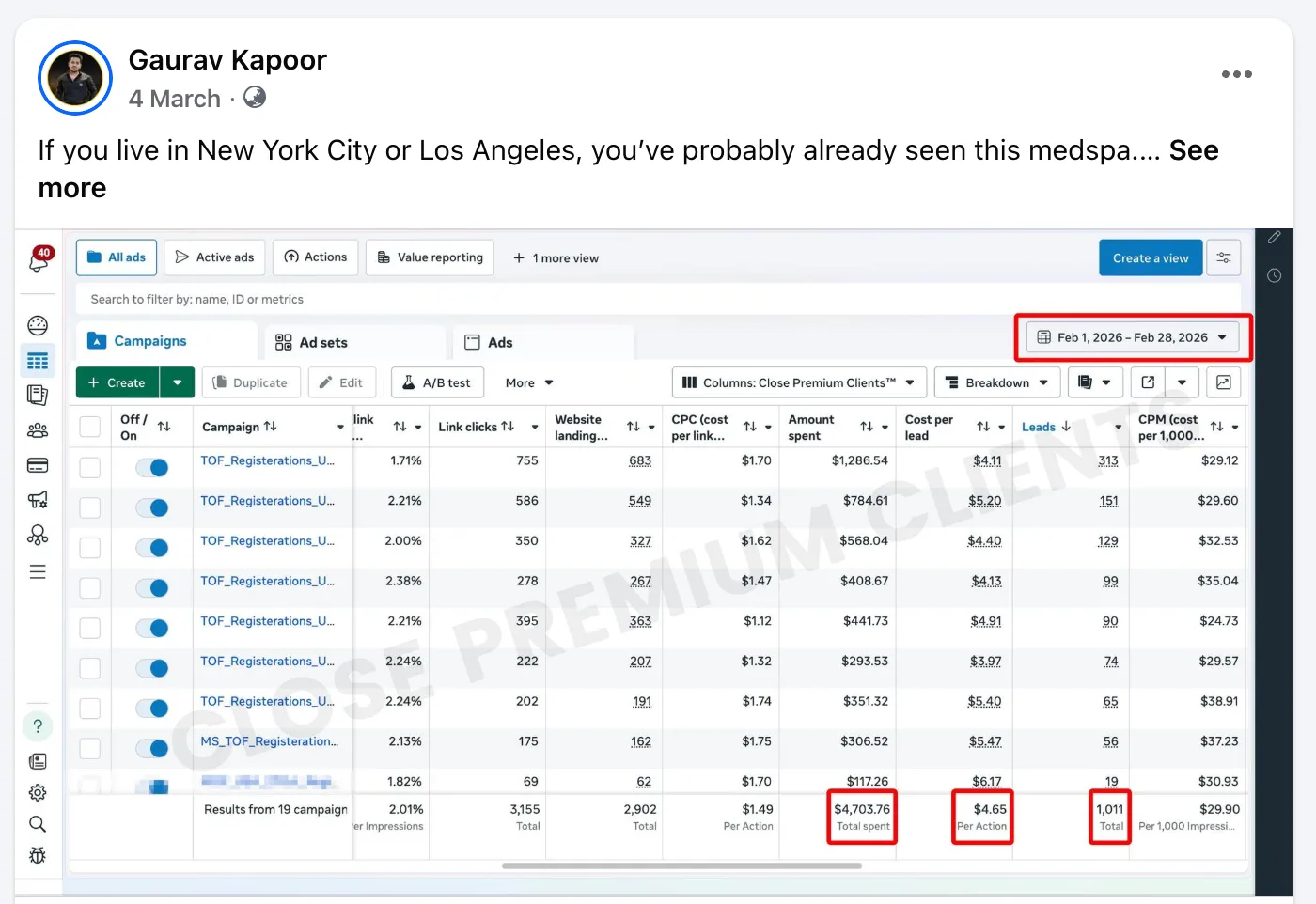
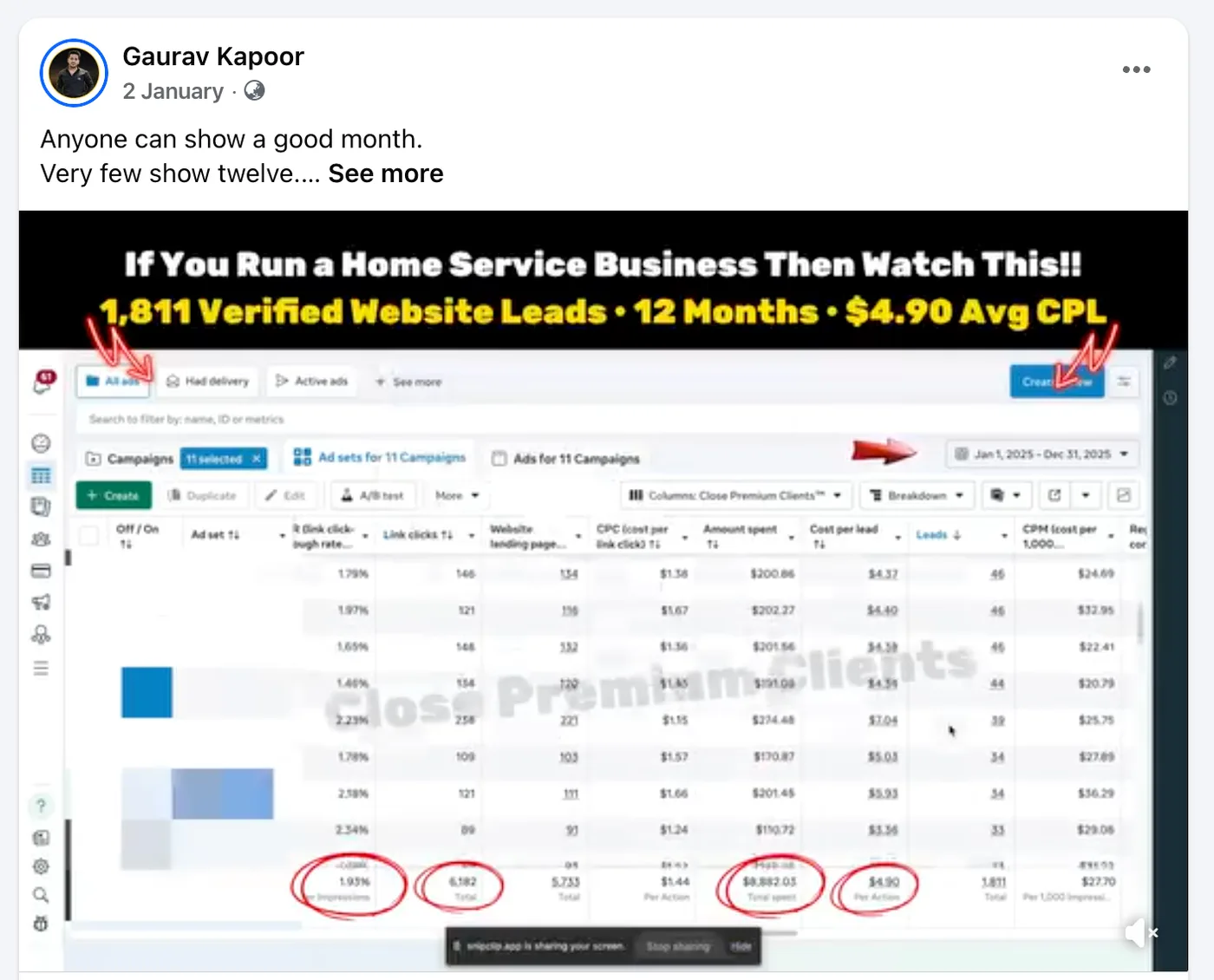
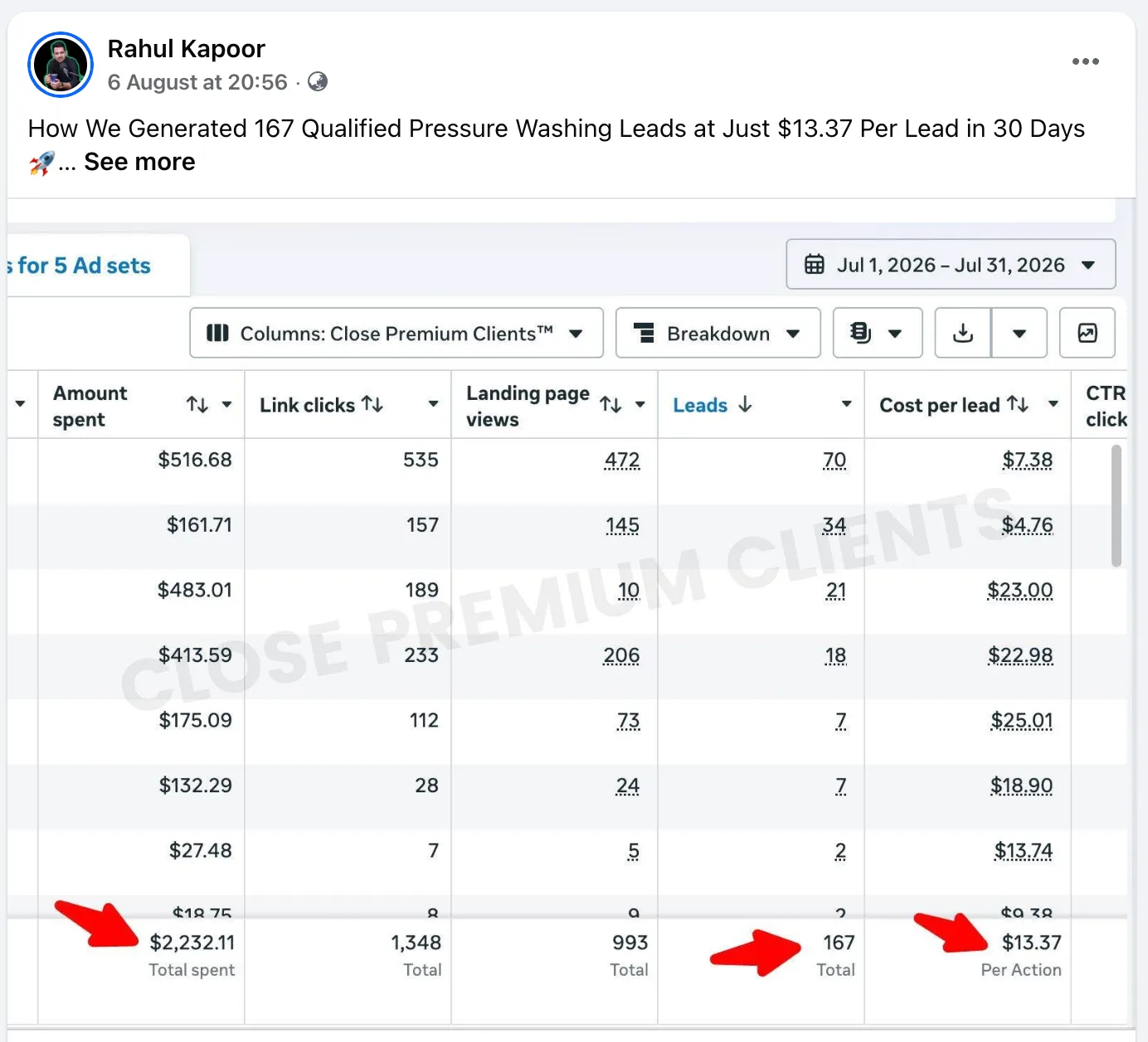
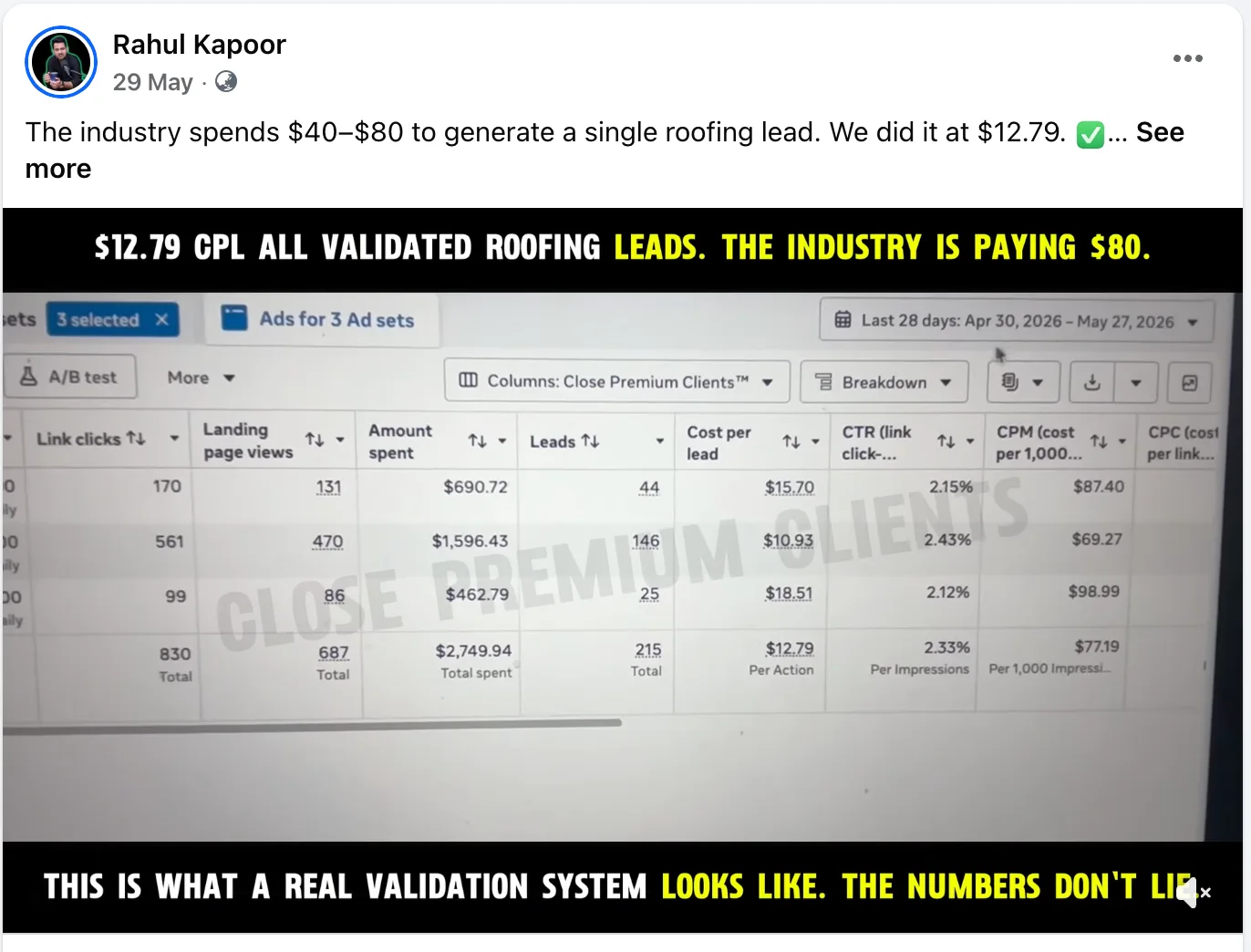
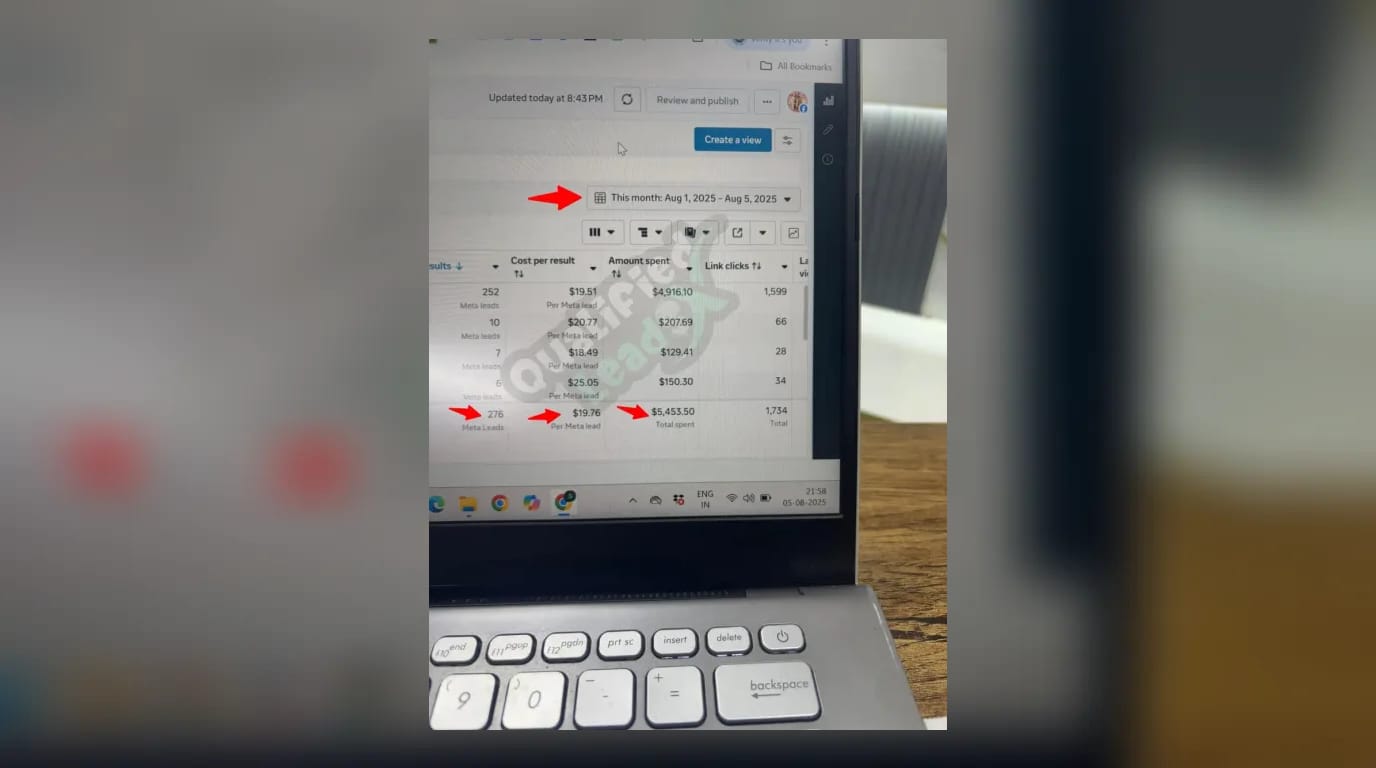
Homeowners often submit to several contractors at once, so the first company to call usually sets the inspection. When leads are this cheap, for example 537 roofing leads at $4.27, the leak is almost never the ad. It is the leads nobody called that afternoon.
Personal injury
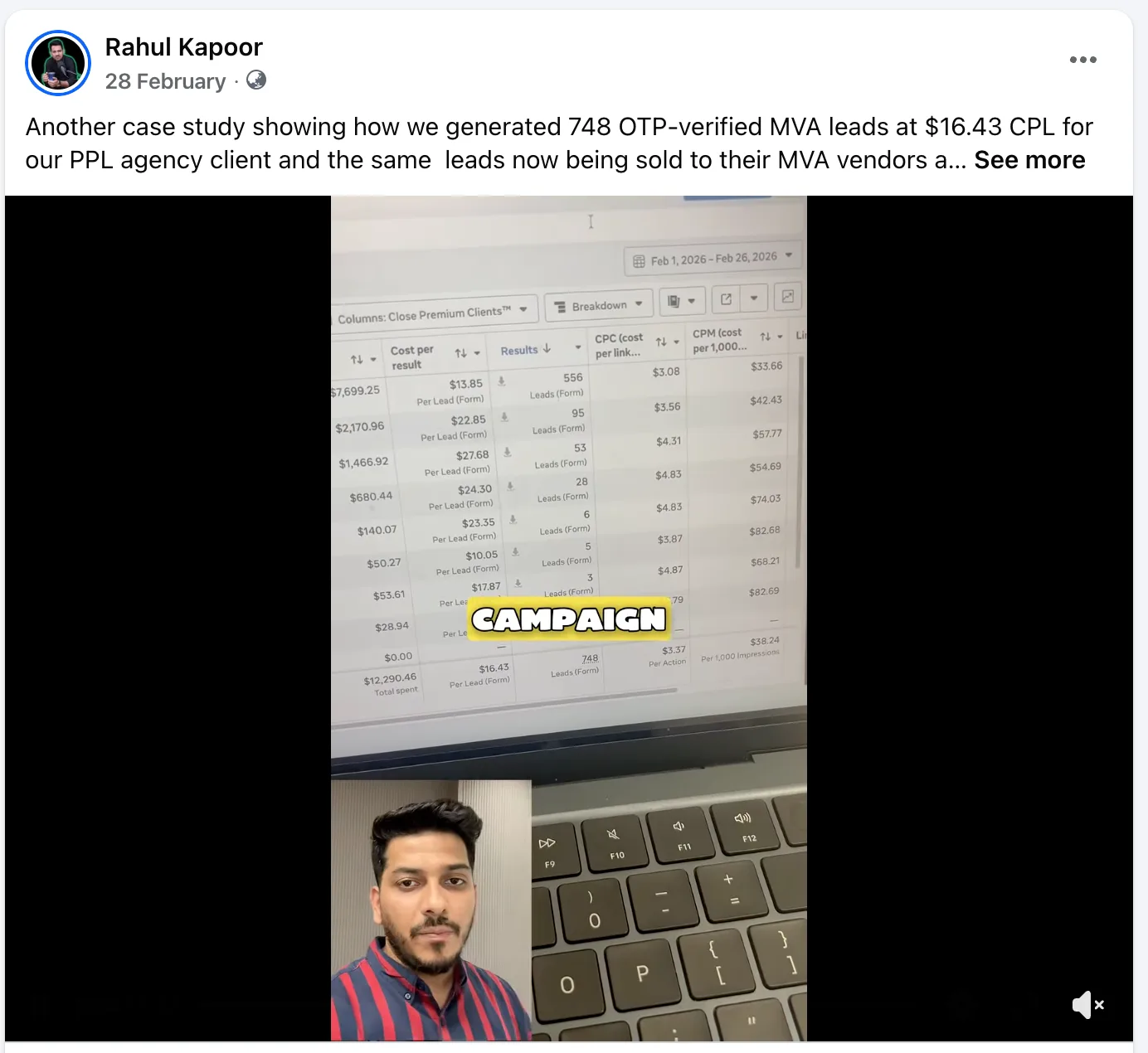
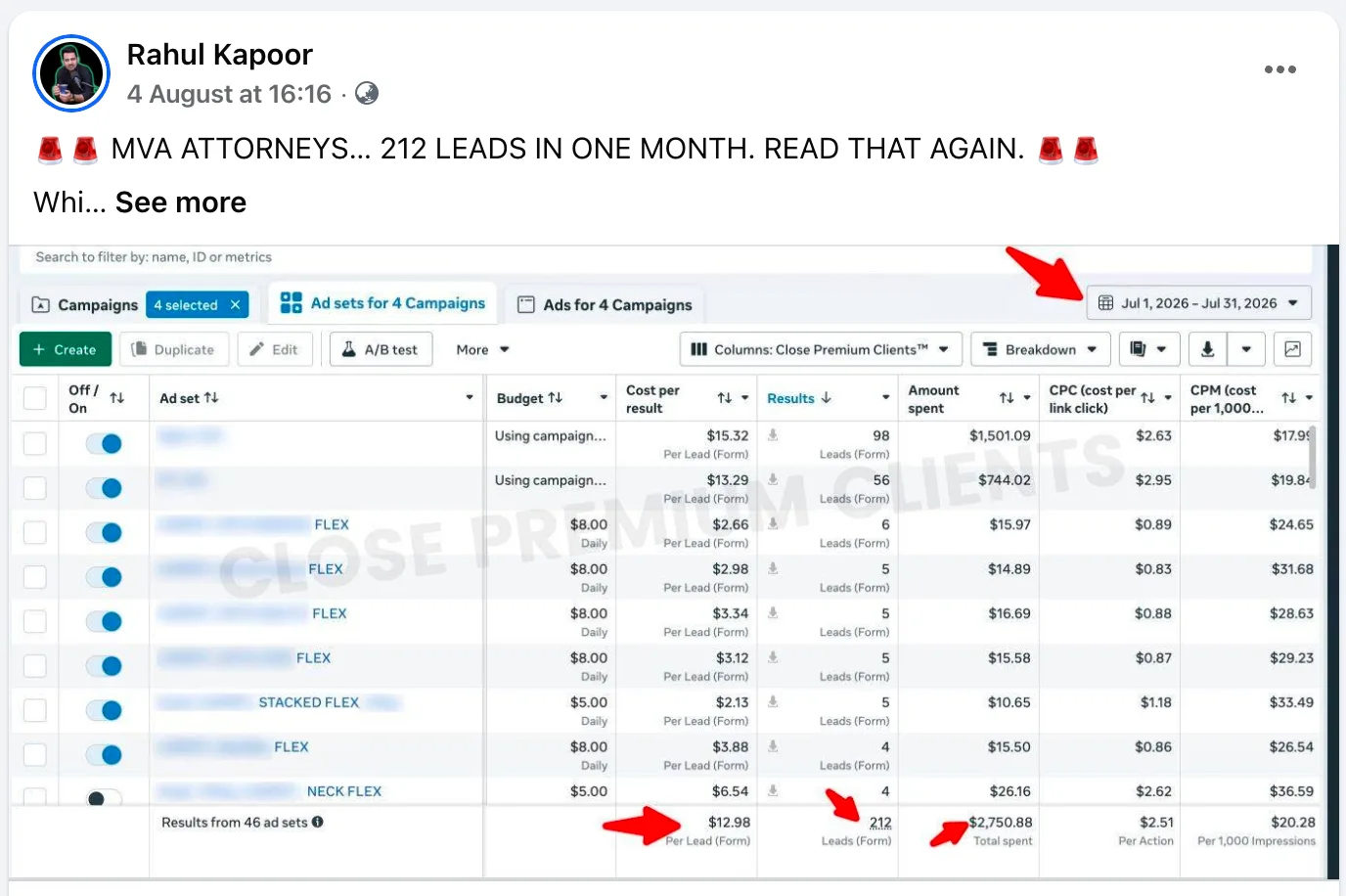
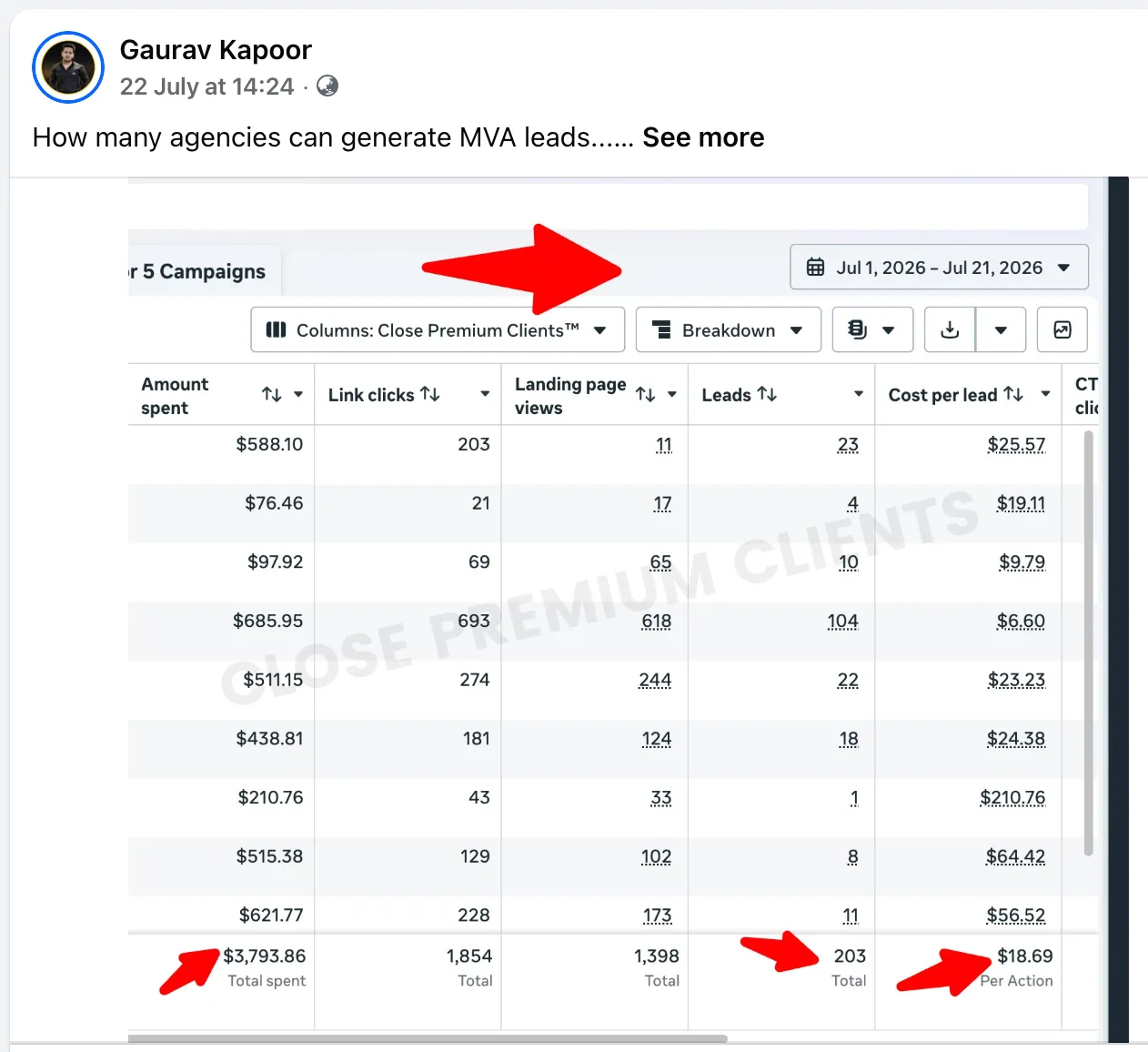
Accident victims tend to sign with the first firm that sounds credible. Intake speed decides cases, which is why our MVA funnels route verified leads straight to an intake call. One build produced $388,000 in revenue from 1,079 leads on $20,324 of ad spend.
Real estate and mortgage
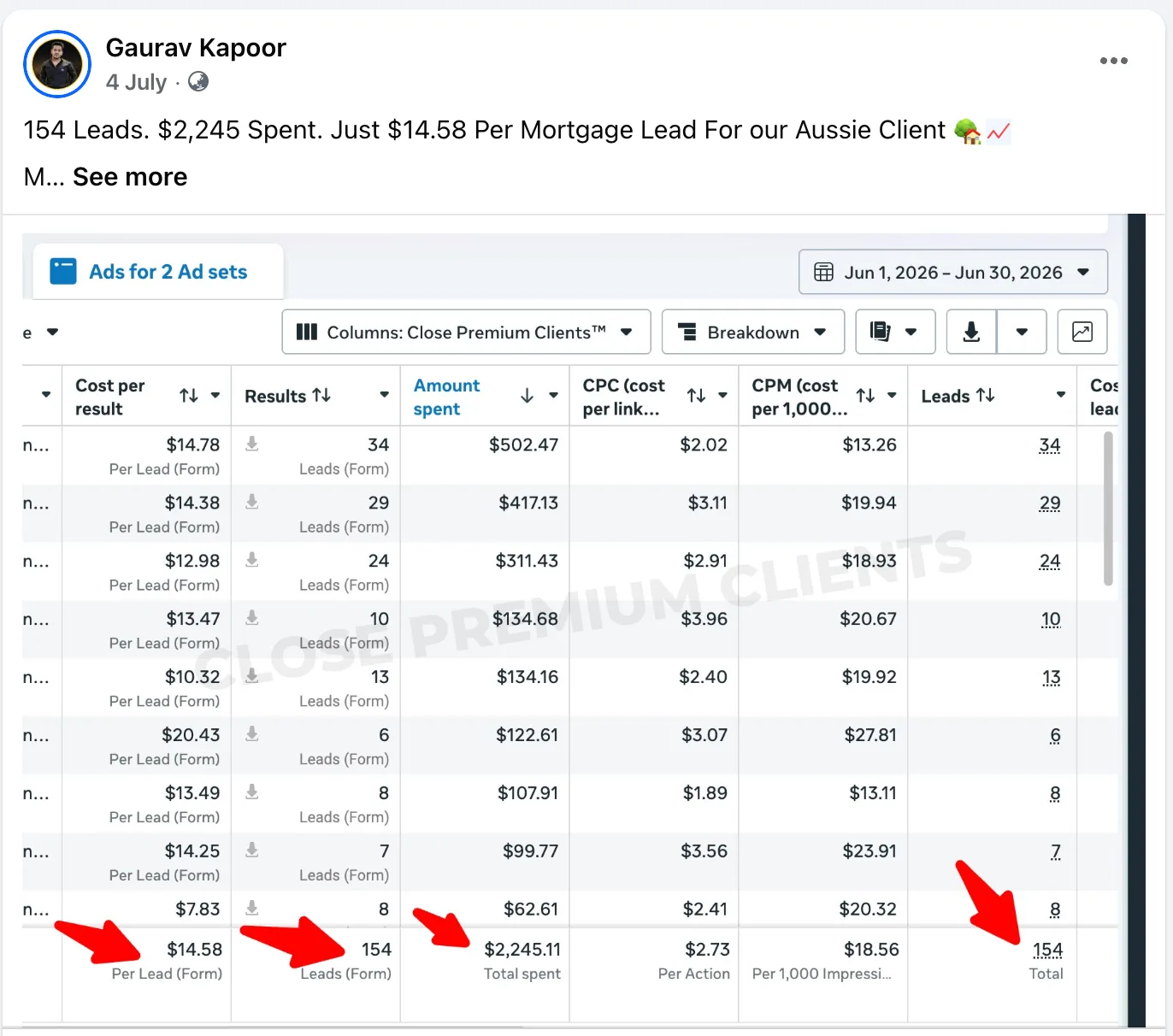
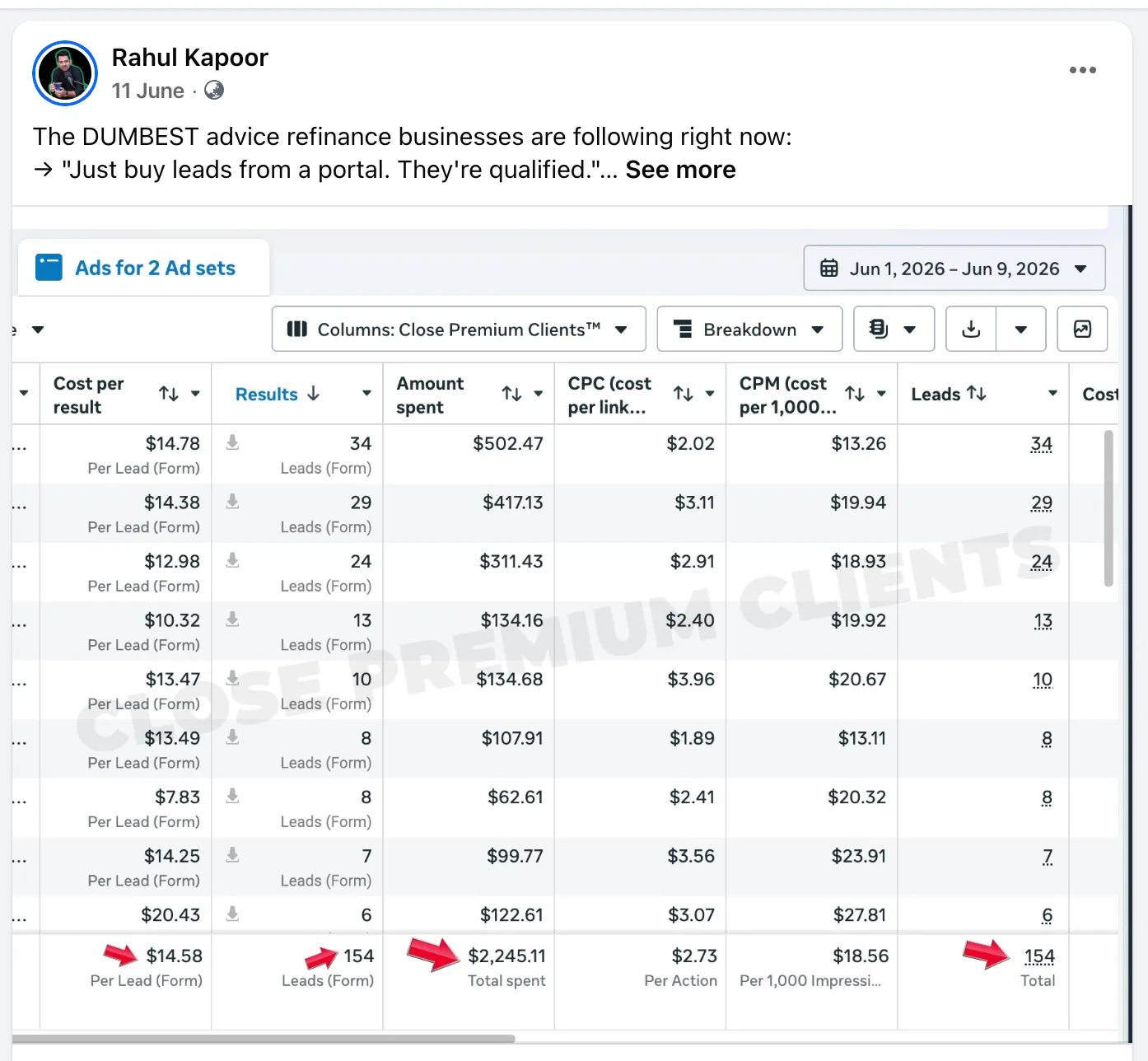
Buyer and refinance leads are time-sensitive and comparison-shop heavily. Agents who are showing homes cannot answer in seconds, so this is where an AI first touch earns its keep. Our AI appointment setter for real estate page covers that setup, and the real estate case studies show typical lead costs.
Med spas
Treatment leads are impulse-driven. A fast text with a booking link converts interest into an appointment before the visitor scrolls to a competitor. See the med spa case studies for volumes.
Coaching and consulting
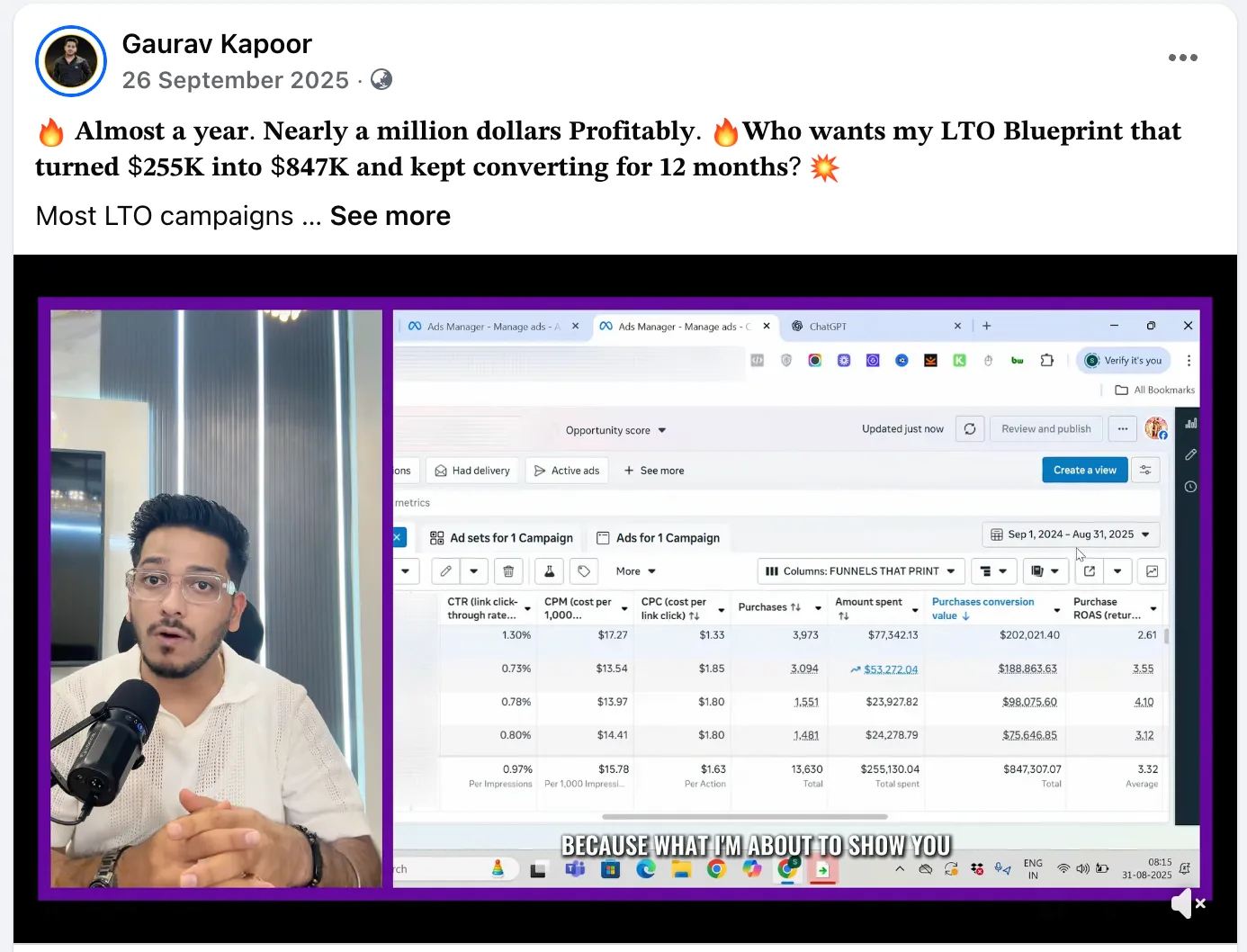
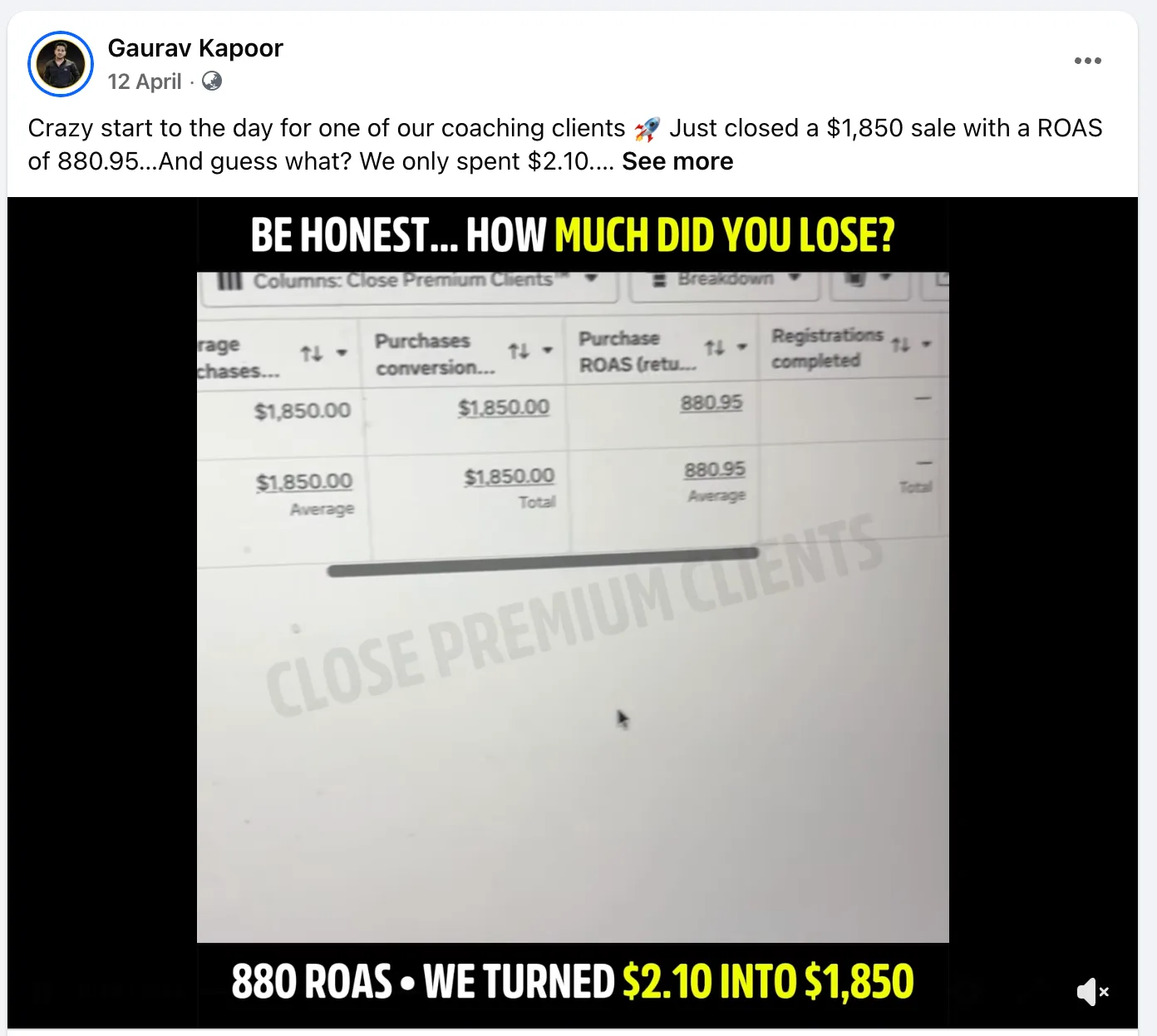
High-ticket buyers will wait a little longer, but they rarely wait a day. Here the first contact books a qualified call, and reminders do the rest. Our $1.52M consulting funnel combined fast multi-touch follow-up with qualification filters.
6. How to Measure Your Own Speed to Lead
Industry statistics are useful for motivation. Your own number is what you can manage. Here is the measurement we set up on every build:
- Capture two timestamps per lead. The form submit time and the first outbound contact attempt, either a call or a two-way message. An automated "thanks, we got it" email does not count.
- Report the median, not the average. A handful of weekend leads answered on Monday will wreck an average and hide how fast your typical response really is.
- Track three shares: leads reached inside 60 seconds, inside 5 minutes and never contacted.
- Split by source and hour of day. Night, weekend and lunch-hour leads are usually where the delays sit.
- Connect speed to outcomes. Compare booking rate for leads reached in the first minute against those reached later. That gap is your business case.
Put these numbers on one weekly view. Our funnel KPI dashboard template includes a speed-to-lead row, and the funnel conversion calculator shows what a higher booking rate is worth at your lead volume.
7. Why Most Businesses Are Still Slow
If the research has been public for over a decade, why do so many audits still find response times measured in hours? In the accounts we review before a build, the causes are nearly always the same:
- Leads land in an inbox, not a pipeline. Form notifications go to a shared email address that someone checks between other jobs.
- Nobody owns the first touch. Sales assumes marketing has followed up, and marketing assumes sales has.
- Business hours. A large share of paid leads arrive in the evening and at weekends, exactly when nobody is at a desk.
- Lead ads without integration. Instant form leads sit inside the ad platform until someone downloads them.
- No reporting. If response time is not on a dashboard, it is not managed, and it drifts.
None of these are effort problems. They are wiring problems, which is why a one-time build fixes them for good.
8. How to Get Under 60 Seconds
No sales team answers every lead in under a minute by trying harder. Getting there is a systems problem with four parts:
- Instant text on submit with the lead's name and a booking link. Our SMS follow-up templates include the first message we use.
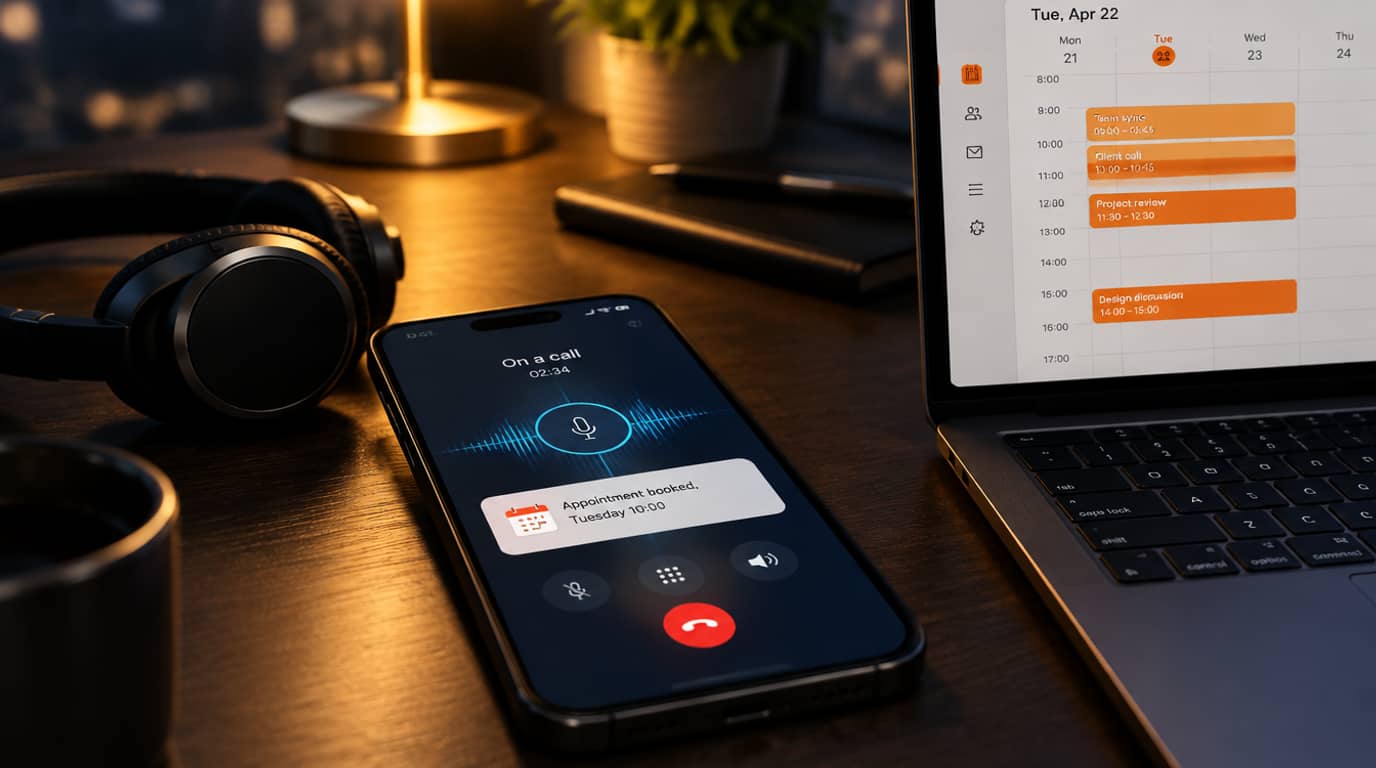
- An immediate call attempt from a human queue or an AI appointment setter that qualifies and books on the spot.
- CRM routing so every lead lands in a pipeline stage with an owner and a timer, set up through CRM automation.
- A retry cadence over the first hour and day for leads who did not pick up.
This is the layer that produced our 38-second median, and it is part of the $1,999 complete suite, built in 5 to 10 business days. If you want to see what it would change in your pipeline, book a strategy call and bring your current response time.
Results from this playbook
Verified client results built on the system in this article, with the numbers from the ad account and CRM.
- $388,000RevenueMVA Case Study: $388K Revenue on $20K Ad Spend
- 8,810Leads generatedMVA Lead Generation Case Study: 8,810 Leads at $7.61 CPL
- 247Leads generatedReal Estate Case Study: 247 Leads at $16.48 CPL
- 69Leads generatedReal Estate Case Study: 69 Leads at $11.57 CPL
All MVA & personal injury lead generation case studies · All real estate lead generation case studies
Frequently Asked Questions
What is a good speed to lead time?
Under a minute for the first contact attempt is achievable with automation, and that is the target we build to. Across our 60+ deployments the median first contact was 38 seconds and 84% of leads were reached inside the first minute. Anything measured in hours means you are paying for leads that competitors reach first.
Is the 5-minute rule for lead response real?
It comes from the Lead Response Management study by James Oldroyd and InsideSales.com, which found contact and qualification odds fell sharply when calls came 30 minutes after an inquiry instead of 5. It is vendor data rather than a peer-reviewed paper, so treat the exact multipliers as directional, but the pattern is consistent.
Where does the Harvard speed to lead statistic come from?
From the 2011 Harvard Business Review article The Short Life of Online Sales Leads by Oldroyd, McElheran and Elkington. It reported that firms contacting a lead within an hour were far more likely to qualify it than firms that waited longer, and that many companies took more than a day to respond or never responded.
Does speed to lead matter for high-ticket offers?
Yes, though the goal shifts from closing on the first call to booking a qualified conversation while intent is high. In high-ticket funnels we pair instant contact with an application and reminders. The first minute protects the booking, and the reminder sequence protects the show-up rate, which reached up to 88% with three channels.
Can an AI voice agent improve speed to lead?
It removes the human bottleneck. An AI voice agent can call every new lead within seconds, at any hour, ask qualifying questions and book the appointment. In our deployments AI calling cost roughly $0.10 to $0.25 per minute, about $3 to $9 per booked appointment, compared with $40 to $120 using human setters.
How do I measure speed to lead in my CRM?
Record two timestamps per lead: the form submit time and the first outbound call or two-way message. Subtract them, then report the median, the share under 60 seconds and the share never contacted. Split by source and by hour of day, because nights and weekends usually hide the worst delays.

Rahul Kapoor
Co-founder of Funnels That Print and lead on CRM automation, speed-to-lead systems, AI voice calling agents and server-side tracking. Rahul has built the GoHighLevel workflows, Meta Conversions API pipelines and reminder automations behind 275+ client funnels.
More from Rahul ↗