
1. What Is a Membership Funnel?
A membership funnel is a sales funnel built to sell a recurring subscription: a paid community, a course library, a coaching group, a software tool or a monthly box. It works like a low-ticket funnel at the front, with a low and easy first payment, and then takes on a second job a one-time funnel never has: keeping people paying month after month.
That second job changes how you measure it. A one-time funnel is judged on revenue per buyer against cost per buyer. A membership funnel is judged on lifetime value against cost per member, and lifetime value depends on retention. A funnel that looks unprofitable on day one can be very profitable by month four, and one that looks great on day one can lose money if members cancel after the first charge.
2. The Membership Funnel Step by Step
- Ad. One clear promise for one audience. Show what a member gets in the first week, not the whole library.
- Offer page. The outcome, what is inside, the price and a guarantee. Video works well because membership buyers are buying into a person or community.
- Checkout. Short form, the monthly or annual choice, and an order bump such as a starter pack or a one-to-one onboarding call.
- Upsell. An annual plan at a discount right after purchase. Annual members cannot churn for a year and pay for ads immediately.
- Onboarding. A welcome message within minutes, one quick win in the first 48 hours and a reminder of what is coming next.
- Retention. Regular new content or sessions, check-ins for inactive members and failed-payment recovery.
Steps one to four are the same as any tripwire offer funnel. Steps five and six are what make it a membership business.
3. The Math: What Can You Pay Per Member?
Lifetime value = monthly price × average months retained. Multiply by gross margin to get lifetime gross profit, which is the most you can pay for a member and break even.
| Monthly price | Average months retained | Lifetime value | Break-even cost per member at 80% margin |
|---|---|---|---|
| $27 | 3 | $81 | $64.80 |
| $27 | 6 | $162 | $129.60 |
| $47 | 4 | $188 | $150.40 |
| $97 | 5 | $485 | $388 |
These are illustrative inputs. Notice what one extra month of retention does: moving a $27 membership from three to six months doubles what you can afford per member. Most businesses would struggle to halve their ad cost, but many can add a month of retention with better onboarding. Our ROAS calculator shows break-even ROAS for your margin.
4. Three Real Membership Campaigns
| Campaign | Memberships | Revenue | Ad spend | What it shows |
|---|---|---|---|---|
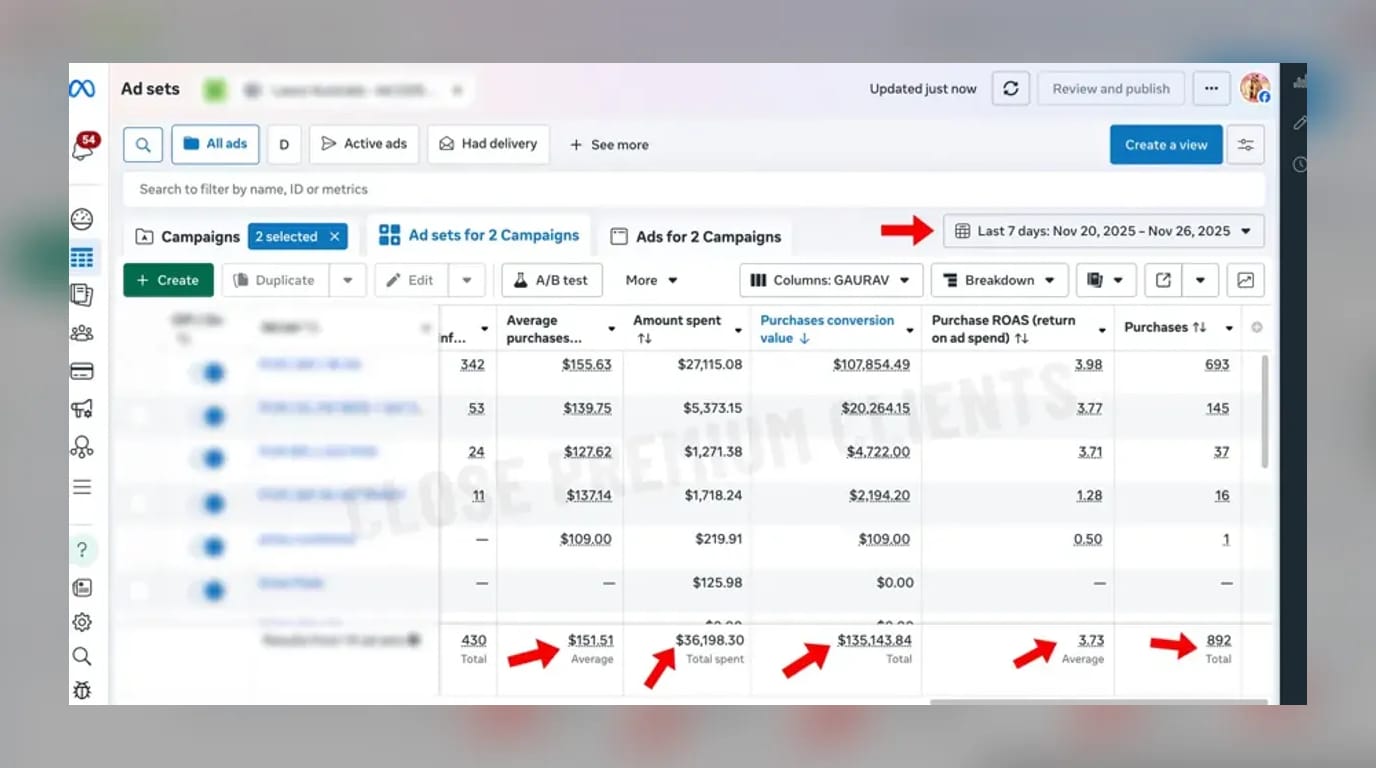
| $66K membership launch | 2,063 | $65,600 | Not published | About $31.80 of revenue per membership at volume |
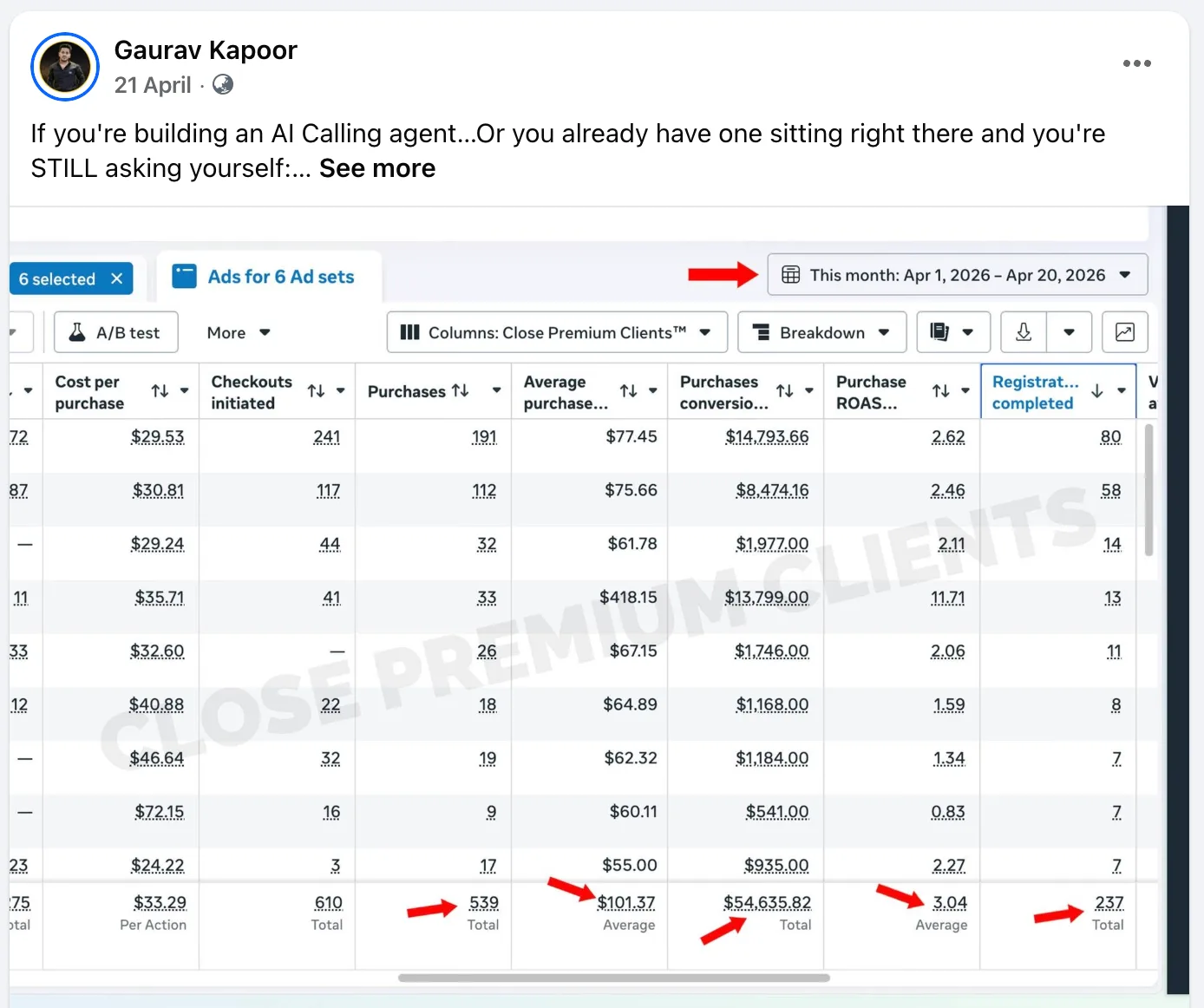
| $58K on $23K ad spend | 537 | $57,577.57 | $22,774.44 | 2.53x ROAS, $42.41 of ad spend and $107.22 of revenue per member |
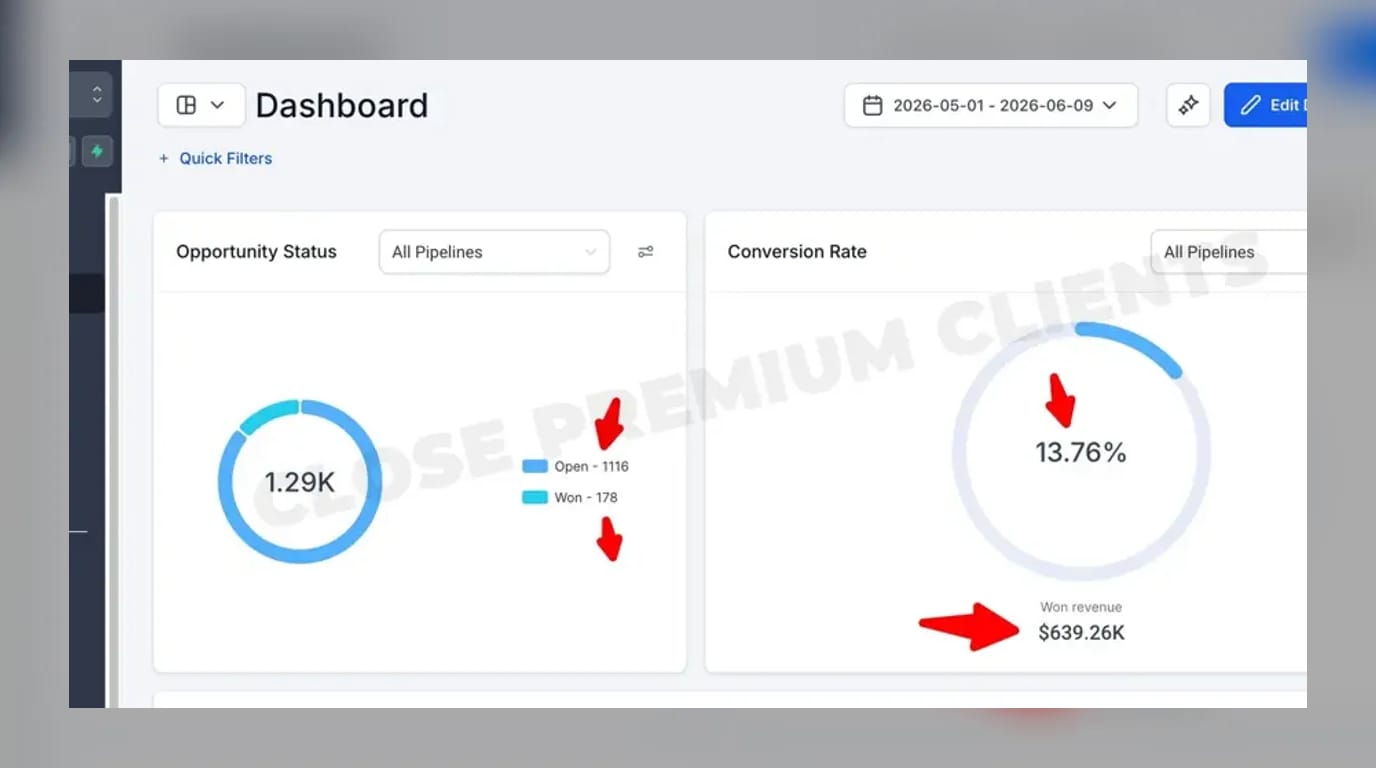
| 1,566 memberships sold | 1,566 | Not published | Not published | Dashboard proof of sales volume |
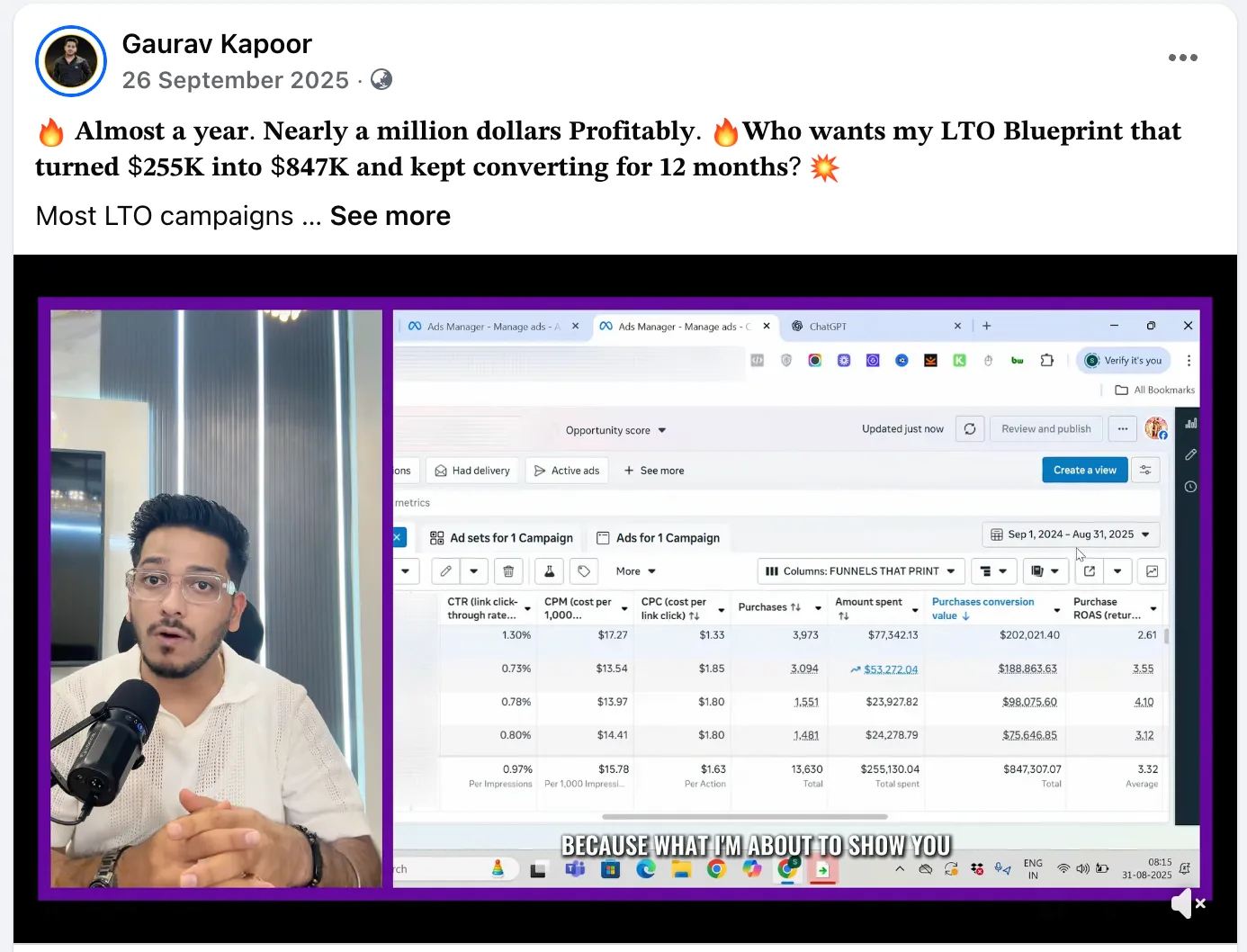
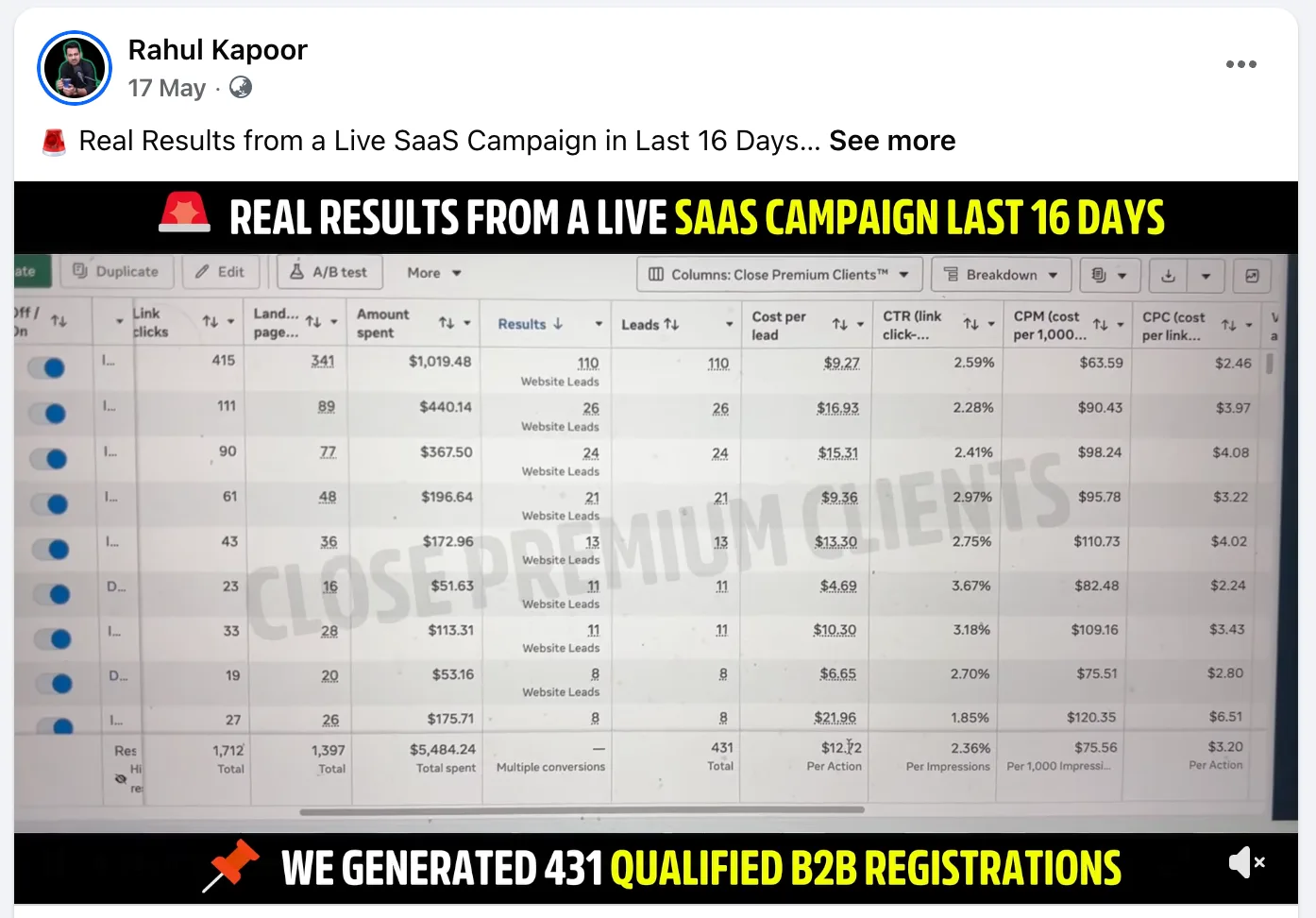
The $58K campaign is the clearest example of the math: at $42.41 of ad spend per member and $107.22 of revenue per member in the period reported, the front end paid for its own ads before counting any later renewals. That is the same principle as a self-liquidating offer, applied to a subscription. All three campaigns are in our low-ticket funnel case studies, and the $847K low-ticket breakdown shows the same front-end structure on a one-time product.
5. Low-Ticket Subscription Funnels for Influencers and Creators
A low-ticket subscription funnel is the version of this structure most influencers and creators use: a paid community, challenge group or content library at a monthly price low enough that a follower can say yes without a sales call. The audience does the work that cold ads do for everyone else, so the first months can be profitable before any ad spend.
- Start with the warm audience. Send followers from bio links, stories and email to the same offer page and checkout the ads will use later. This tests the promise and the price on people who already trust you.
- Keep the first payment small and the promise narrow. One outcome for one type of follower converts better than an all-access pitch.
- Add the order bump and the annual upsell. These raise first-day revenue per member, which decides how much you can later pay for cold traffic.
- Scale with paid ads only after the funnel converts warm traffic. Lookalike audiences built from paying members are the usual next step, judged on cost per member against the break-even figures in section 3.
- Treat retention as the main product. Creator memberships often churn when the novelty fades, so the onboarding and check-ins in section 6 matter more than a new ad.
The 1,566-membership fitness campaign in the table above is this model at volume. For a one-time product instead of a subscription, the $847K low-ticket breakdown shows the same front end, and our low-ticket funnel case studies list every campaign in the series.
6. Retention: Where the Profit Is
- A fast first win. Members who get a result in the first two days cancel less. Point new members at one short lesson, template or session, not the whole library.
- Activity tracking. Tag members who have not logged in or attended for 14 days and send a personal check-in by text or email.
- Failed-payment recovery. Expired cards cause a share of cancellations that members never chose. Automated retries and update-your-card messages recover many of them.
- A cancellation offer. A pause option or a lower tier keeps some members who would otherwise leave.
- A reason to stay. Monthly live sessions, new releases or community challenges give members something to look forward to.
We build these sequences in the CRM as part of our CRM automation work, and the lead nurturing strategies guide covers message timing.
7. Membership Funnel Template
| Step | Page or message | Number to track |
|---|---|---|
| 1 | Ad with one promise and real footage | Click-through rate, cost per click |
| 2 | Offer page with video, inclusions, price and guarantee | Page-to-checkout rate |
| 3 | Checkout with monthly or annual choice and an order bump | Checkout conversion, bump take rate |
| 4 | Annual upgrade offer after purchase | Upgrade take rate |
| 5 | Welcome message and first-win lesson within minutes | Day-2 activation rate |
| 6 | Inactivity check-ins, payment recovery, cancellation offer | Month-1 and month-3 retention |
Track the whole chain in one place; the funnel KPI dashboard template has the columns for it.
8. Common Mistakes
- Judging the funnel on day one. A membership funnel that breaks even on the first payment is already a strong result. Judge it on cohort revenue at 90 days.
- Selling the whole library. Nobody joins for 400 videos. Sell the first outcome.
- No onboarding. Members who never log in cancel at the first charge they notice.
- Hiding the cancel button. It creates chargebacks and complaints, and in many places it breaks consumer rules. Make cancelling easy and offer a pause.
- Tracking only purchases. Send renewals and cancellations to your reporting so you can see which ads bring members who stay.
If you want a membership funnel built and tracked end to end, our sales funnel agency builds them in 5 to 10 business days.
Results from this playbook
Verified client results built on the system in this article, with the numbers from the ad account and CRM.
- $57,577.57RevenueLow-Ticket Funnel Case Study: $58K Revenue on $23K Ad Spend
- 132SalesLow-Ticket Funnel Case Study: 132 Sales
- $64,960RevenueWebinar Funnel Case Study: $65K Revenue on $2,184 Ad Spend
- $115,500RevenueCoaching Funnel Case Study: $116K Revenue on $2,214 Ad Spend
All low-ticket funnel case studies · All coaching, consulting & webinar funnel case studies
Frequently Asked Questions
What is a membership funnel?
A membership funnel is a sales funnel that sells a recurring subscription, such as a paid community, course library, coaching group or app, instead of a one-time product. It usually runs ad, offer page, checkout, onboarding and retention, and it is measured on cost per member against lifetime value.
Should a membership start with a free trial or a paid first month?
A paid first month, even a low one, usually brings members who stay longer, because they have already decided to pay. Free trials raise sign-ups but often lower trial-to-paid conversion. Test both on the same traffic and compare paying members after day 30 and day 90, not sign-ups.
How much should I spend to acquire a member?
Work out lifetime gross profit first: monthly price times average months retained times gross margin. You can spend up to that figure and break even. Many businesses target one or two months of revenue so ads pay back quickly. In one of our campaigns, ad spend per member was $42.41 against $107.22 of revenue per member.
Which platform should I use for a membership funnel?
Use a checkout that supports recurring billing, order bumps and failed-payment recovery, connected to a CRM that can tag members, run onboarding messages and flag cancellations. GoHighLevel, ClickFunnels and Kajabi all handle memberships; the follow-up and tracking matter more than the page builder.
Does a membership funnel work for creators and influencers?
Yes, an audience lowers acquisition cost because warm followers convert better than cold traffic. The same structure applies: a clear promise, a simple checkout, fast onboarding and a reason to stay each month. Paid ads then extend the offer to lookalike audiences once the funnel converts warm traffic profitably.

Rahul Kapoor
Co-founder of Funnels That Print and lead on CRM automation, speed-to-lead systems, AI voice calling agents and server-side tracking. Rahul has built the GoHighLevel workflows, Meta Conversions API pipelines and reminder automations behind 275+ client funnels.
More from Rahul ↗