1. What a High-Ticket Funnel Has to Do
This guide explains how to build a high ticket funnel that turns cold traffic into qualified sales calls. It is the same eight-step structure behind our $1.52M high-ticket consulting funnel, which collected $1.52M from cold traffic in 19 months.
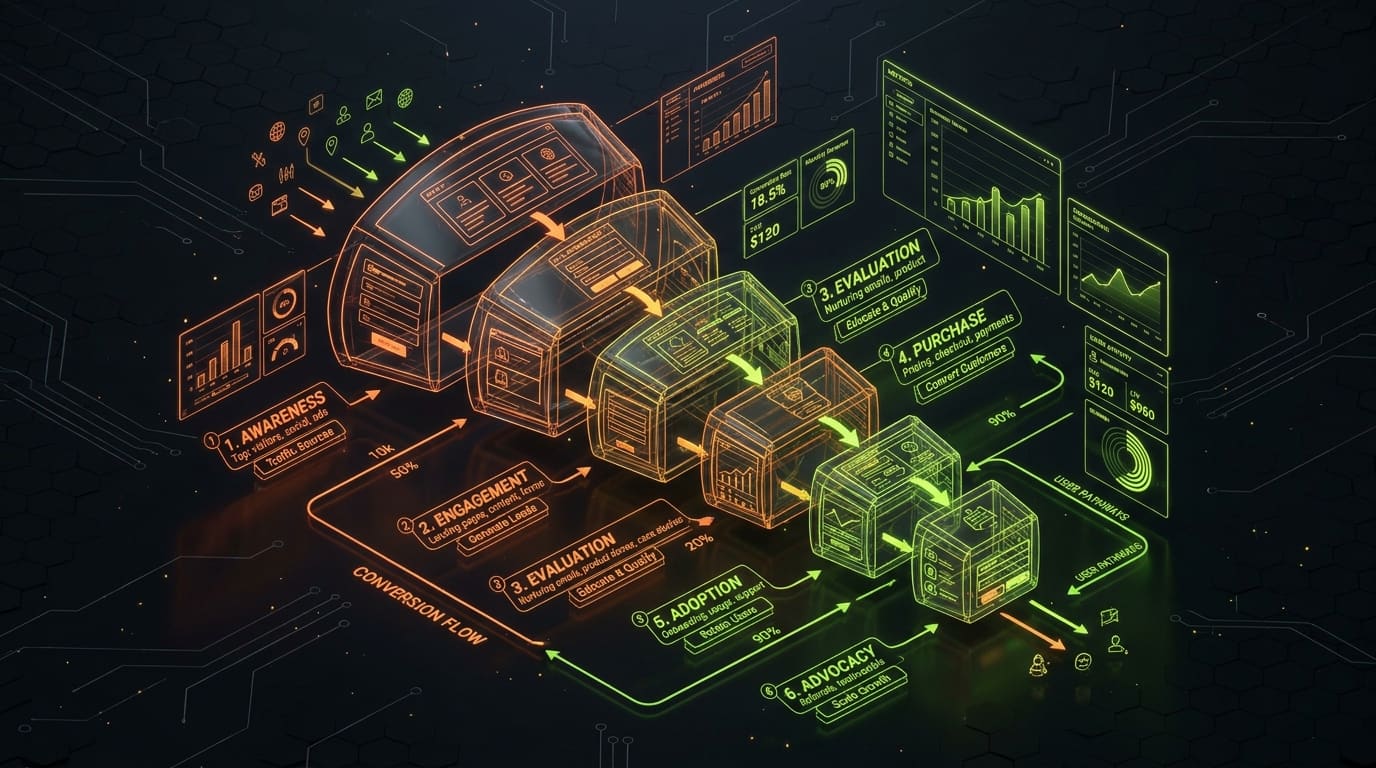
A high-ticket funnel is not trying to close the sale on a page. Nobody pays several thousand dollars after a headline and a button. Its job is narrower and harder: get the right people to raise their hand, filter out the wrong ones, reach the right ones before they cool off, and deliver them to a sales call prepared and on time.
That means the funnel has two halves. The front half (offer, ad, page, video, application) creates qualified applications. The back half (instant follow-up, reminders, tracking) turns those applications into calls that actually happen. Most failing funnels we audit have a decent front half and almost no back half.
2. Steps 1 and 2: Offer and Ad Angle
Step 1: Make the offer specific
A high-ticket offer has to promise a specific outcome for a specific person within a believable timeframe. "Business coaching" is not an offer. "A done-with-you client acquisition system for agency owners stuck below their next revenue milestone" is closer. Write down who it is for, who it is not for, the outcome, the mechanism and the proof you have.
Then set the economics. Work backwards from your price and close rate to the most you can pay for a booked call and still be profitable. If you close one in four calls on a $6,000 offer, each booked call is worth $1,500 in revenue, which tells you how much room you have for ad spend, follow-up and sales time.
Step 2: Pick one ad angle per audience
Your ad needs one sharp angle: a problem the prospect recognizes, a reason the usual fixes fail, and a reason to click now. Proof-led angles work well cold. The ad should promise exactly what the next page delivers, whether that is a short diagnostic or a training video.
If you cannot explain your offer and who it is for in two sentences, stop here. No funnel fixes a fuzzy offer.
3. Step 3: Choose the Front End
The front end is the first page after the ad click. You have two proven options, and the choice depends on how much your prospect already understands.
| Front end | Use when | Strength | Risk |
|---|---|---|---|
| VSL funnel | The prospect needs a belief shift or a new mechanism explained | Controls the story and builds authority | Cold visitors bounce from long, locked videos |
| Quiz funnel | The prospect knows the problem and wants a personal answer | Micro-commitments and self-qualification | Weak questions produce weak segmentation |
| Hybrid | Most cold-traffic offers above a few thousand dollars | Quiz first, tailored video second | More to build and test |
We compare these in depth in VSL vs interactive quiz funnels. For the $1.52M build we used the hybrid: an interactive diagnostic replaced the old static page and led into a short VSL.
4. Step 4: Write the VSL or Quiz
If you use a VSL
Keep it as short as the belief shift allows. A strong structure is: hook that names the problem, why the usual solutions fail, the new mechanism, proof, who it is for and not for, and a clear call to apply. Our VSL script template lays out each section with timings, and the VSL glossary entry covers the basics.
If you use a quiz
Ask five to eight questions. Start easy, include two or three that segment by situation, and include one or two that qualify on budget and urgency. The results page should give a genuinely useful diagnosis and point to the call as the next step.
Either way, the page needs proof. Real numbers beat testimonials that only say "great to work with". Our coaching and consulting case studies show the kind of proof that works, such as $115,500 in revenue and 174 appointments on $2,214 of ad spend.
5. Step 5: The Application
The application filters out people who cannot buy and prepares those who can. Keep it to the questions your closer actually uses:
- Current situation, in their words (one open question).
- Goal and timeframe.
- What they have tried already.
- Investment readiness, asked plainly.
- Phone number, verified, so follow-up can start immediately.
Our lead qualification questions template has tested wording. After submission, qualified applicants should see the booking calendar right away. Unqualified ones get a polite redirect to a lower-priced resource instead of a call slot.
6. Steps 6 and 7: Speed-to-Lead and Reminders
Step 6: Reach every applicant inside a minute
The moment an application lands, three things fire in parallel: an SMS, an AI qualification call and an email. Across 60+ deployments of this speed-to-lead layer, median first contact was 38 seconds, 84% of leads were reached inside the first minute, and lead-to-booking rose 2.4x on the same ads. An AI appointment setter handles applicants who did not book themselves, at roughly $3 to $9 per booked appointment.
Step 7: Protect the show rate
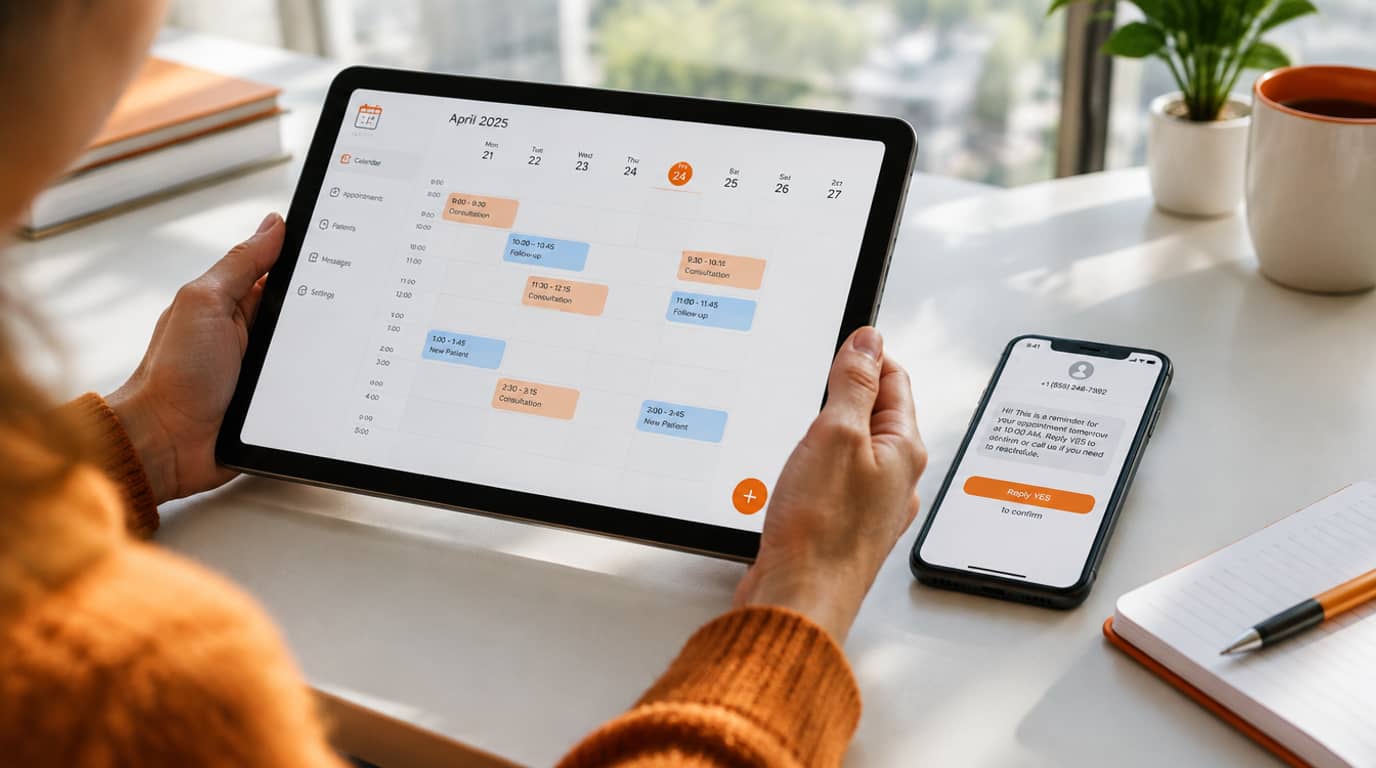
A booked call is worth nothing if the prospect does not show. Send reminders by SMS, email and call at booking, the day before, the morning of and shortly before the call, with a short video from the closer. With three-channel reminders we have seen show-up rates of up to 88%. The no-show reminder sequence has the timings, and the no-show cost calculator shows what missed calls are costing you.
7. Step 8: Tracking and Sales Feedback
High-ticket funnels produce few conversions, so the ad platform needs the best possible signal. Send server-side events for application, qualified, booked, showed and won stages. Optimize toward qualified or booked calls rather than raw opt-ins once you have enough volume. Our Conversions API setups recovered 31% more events than the pixel alone.
Close the loop with the sales team, too. Every week, review which ad angles and quiz answers produced calls that closed. Feed that back into the ads and the application. Track everything on one view, such as the funnel KPI dashboard template.
8. Common Mistakes That Kill High-Ticket Funnels
- Sending cold traffic straight to a long video. A locked 30-minute video is a big ask from someone who saw your ad ten seconds ago. Lead with a short diagnostic or a tighter video.
- An application that does not filter. If every applicant gets a calendar, your closers will spend half their week on calls that were never going to buy.
- Waiting hours to follow up. Applicants who are not contacted quickly book with someone else or forget why they applied. The first minute matters most.
- No reminder sequence. Before our rebuild, the $1.52M client lost 38% of booked calls to no-shows. Reminders are the cheapest fix in the whole funnel.
- Optimizing ads for opt-ins. Cheap opt-ins are not the goal. Train the ad platform on qualified and booked calls once you have the volume.
- Changing everything at once. Change one variable per test so you know what caused the result.
9. Launch Checklist
Before you turn on ads, run through this list. Every item is something we have seen break a launch.
- The ad promise matches the first page headline word for word in meaning.
- The quiz or VSL page loads fast on mobile, with the call to action visible without hunting.
- The application asks only questions your closer uses, and the phone number is verified.
- A test application triggers SMS, call and email inside 60 seconds.
- Booking stops every follow-up workflow and starts the reminder sequence.
- Each pipeline stage fires a server-side event, and you can see them arriving in Events Manager.
- Closers have a short call script and see the application answers before the call.
- You have a weekly review on the calendar to compare ad angles with closed deals.
If you sell to a specific market, our funnels for coaches and funnels for consultants pages show the variations we use.
10. The $1.52M Funnel, Step by Step
Before the rebuild, the consulting client had spent heavily driving cold traffic to a generic VSL. Cost per booked call averaged $280 and 38% of booked calls did not show. We changed three things:
- Replaced the static page with an interactive diagnostic front end that led into a shorter VSL.
- Added minute-one follow-up with an AI qualification call and objection-handling scripts.
- Added a three-touch reminder sequence with video preview messages from the closer.
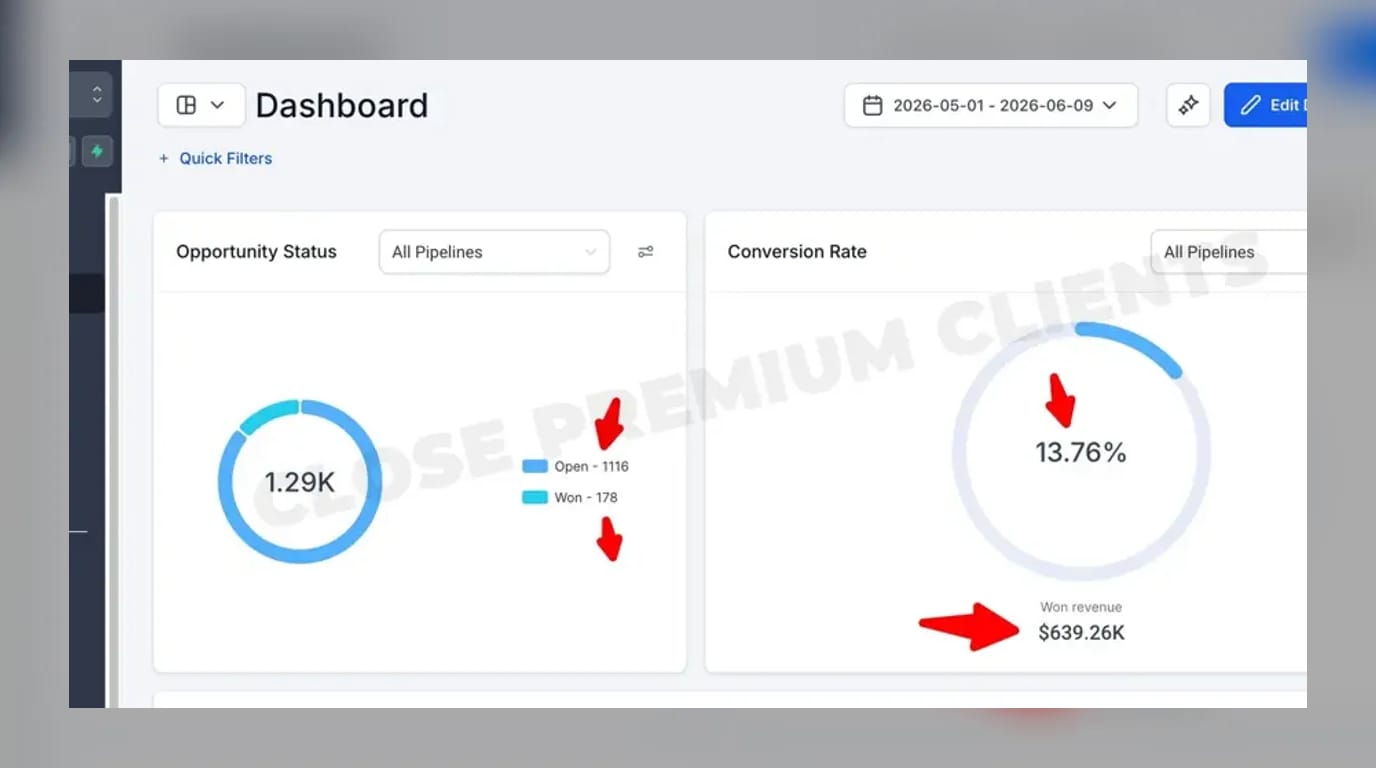
Cost per booked call fell to $112, and the funnel went on to collect $1.52M in 19 months. The full breakdown, including the timeline, is on the $1.52M case study page. For other structures, see our sales funnel examples.
If you want this built for your offer, our sales funnel agency delivers it in 5 to 10 business days on fixed pricing, with the complete suite at $1,999 one-time. Book a strategy call and bring your offer.
Results from this playbook
Verified client results built on the system in this article, with the numbers from the ad account and CRM.
- $64,960RevenueWebinar Case Study: $65K Revenue on $2,184 Ad Spend
- $115,500RevenueCoaching Case Study: $116K Revenue on $2,214 Ad Spend
- $14,040RevenueAgency Case Study: $14K Revenue on $2,824 Ad Spend
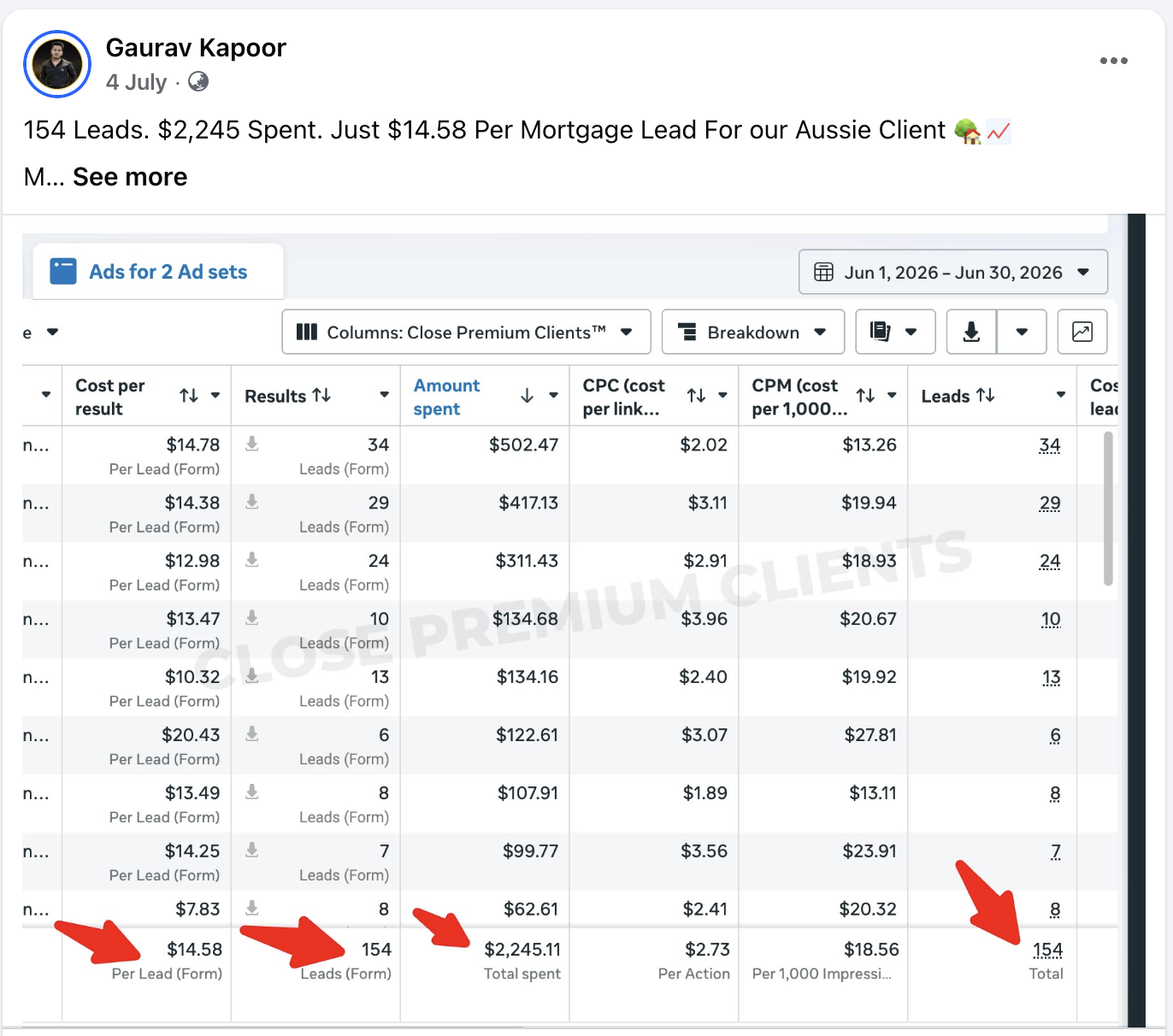
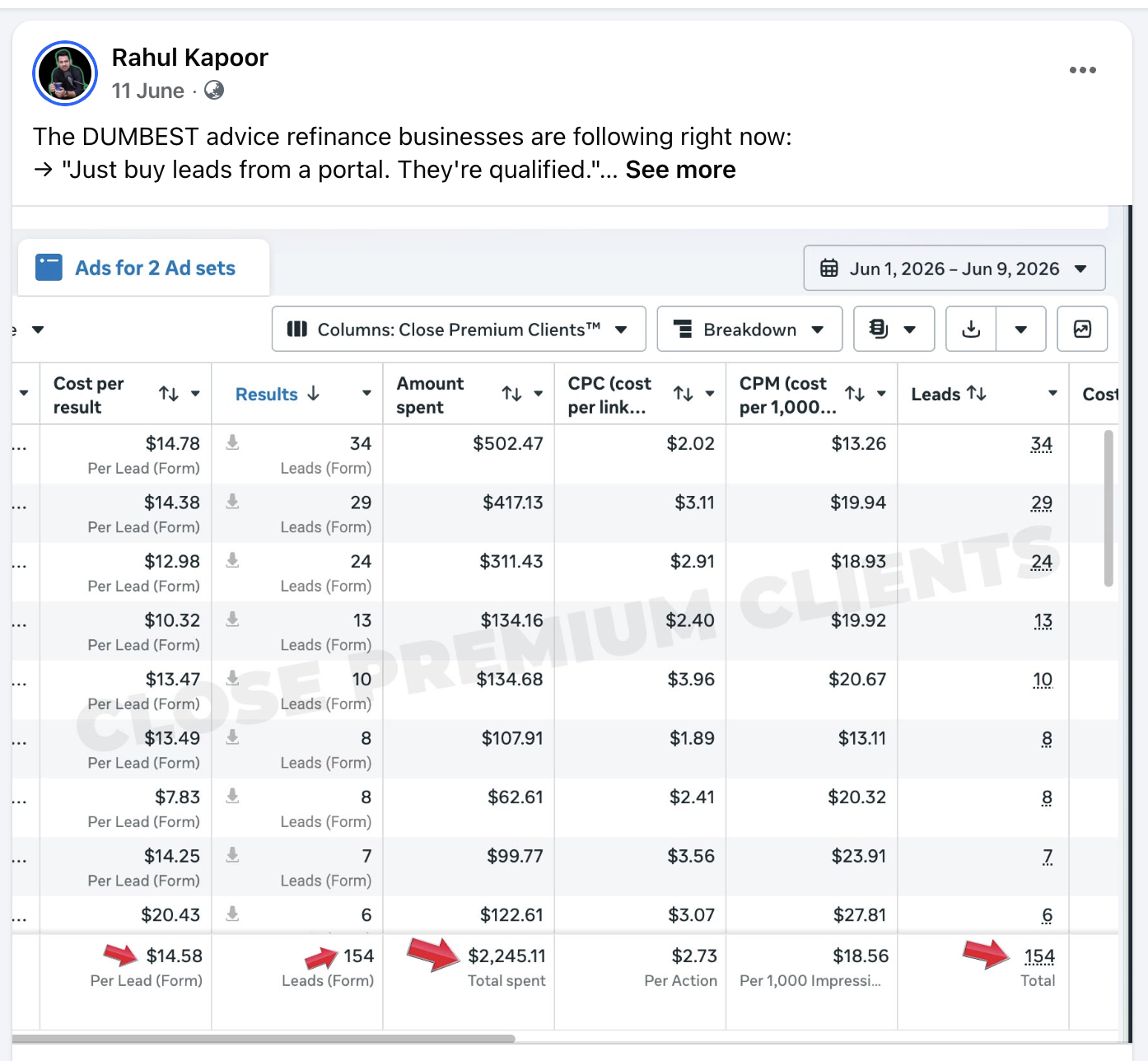
- 152Leads generatedLead Gen Case Study: 152 Leads
All coaching, consulting & webinar funnel case studies · All agency, SaaS & B2B lead generation case studies
Frequently Asked Questions
What counts as a high-ticket offer?
Most marketers use high ticket for anything that needs a sales conversation before purchase, typically from a couple of thousand dollars upward. The defining feature is not the price itself but the buying process: the prospect needs questions answered and trust established, so the funnel ends in a call rather than a checkout.
Should a high-ticket funnel use a VSL or a quiz?
Use a VSL when the prospect needs a belief shift or an unfamiliar mechanism explained. Use a quiz when your audience already understands the problem and needs to self-qualify. Many of our strongest builds combine both: a short diagnostic quiz first, then a VSL tailored to the answers, then the application.
How long does it take to build a high ticket funnel?
With a clear offer and proof ready, we build and launch high-ticket funnels in 5 to 10 business days, including copy, pages, CRM, follow-up automation and tracking. Plan for another two to four weeks of live data before judging the funnel, because booked-call results lag behind ad spend.
What is a good cost per booked call for high-ticket offers?
It depends on the price of your offer and your close rate. In our $1.52M consulting funnel, the rebuild brought cost per booked call down from $280 to $112. Work backwards from your average sale value and close rate to find the maximum you can afford per call.
Do I need a sales team to run a high-ticket funnel?
You need someone to take the calls, which can be the founder at first. What you should not do is rely on humans for the first minute of follow-up. Automated SMS, email and an AI qualification call reach the lead instantly, so your closers spend their time only on qualified, booked prospects.
Why do high-ticket funnels fail?
The most common causes are a vague offer, a long video with no reason to watch, an application that does not filter, slow follow-up and high no-show rates. Each one is fixable. The fastest gains usually come from calling leads within a minute and adding a three-channel reminder sequence before every sales call.

Gaurav Kapoor
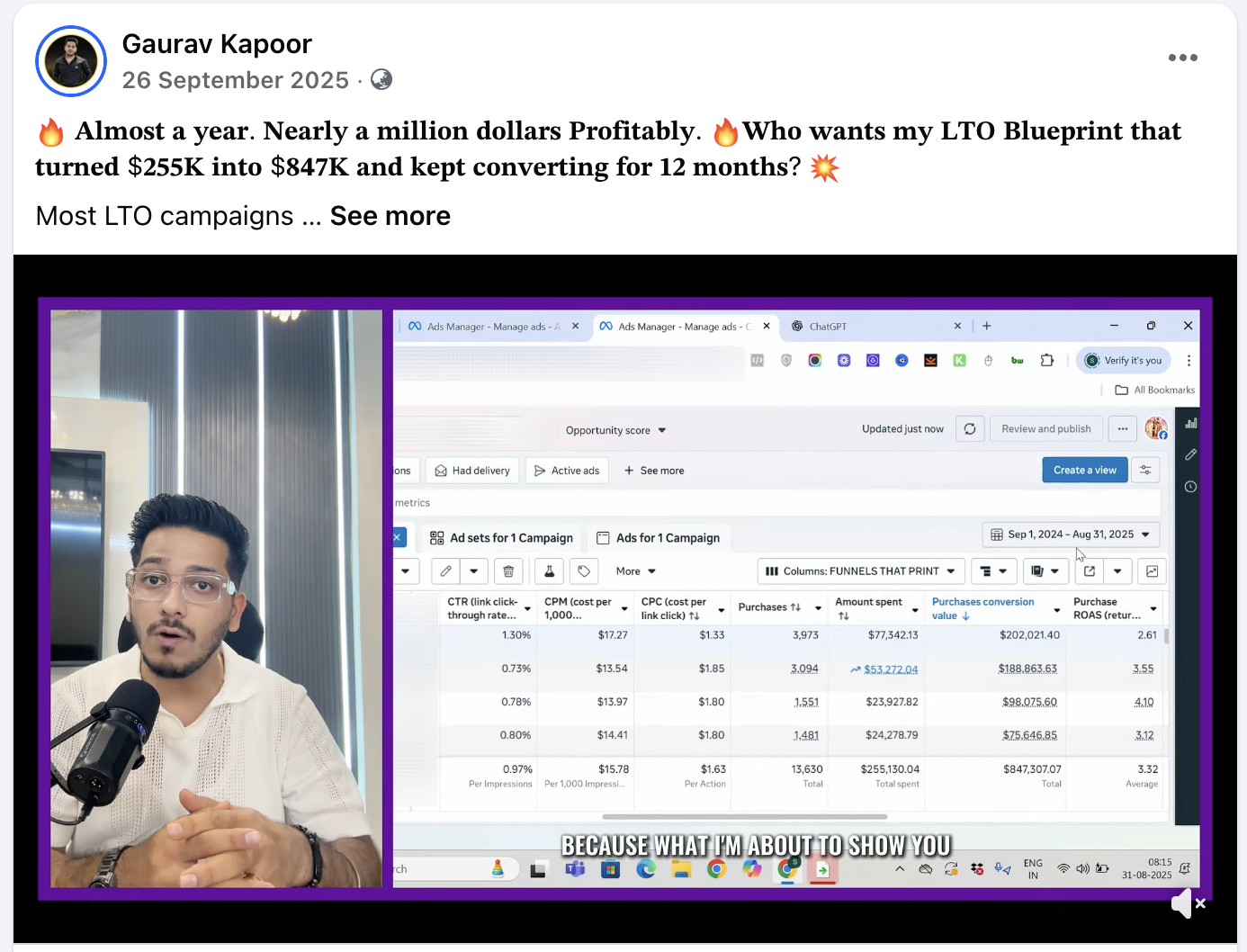
Founder of Funnels That Print. Since 2019 Gaurav has architected high-ticket and low-ticket acquisition funnels for coaching, consulting, home services, finance and DTC brands, including the $1.52M high-ticket consulting funnel and the $847K self-liquidating offer funnel documented on this site.
More from Gaurav ↗