1. The VSL Fatigue Crisis in 2026
For the past seven years, the dominant playbook for high-ticket consulting, professional services, and high-growth B2B agencies has been predictable: run cold Meta or YouTube traffic to a 25-minute Video Sales Letter (VSL), ask the prospect to fill out an 8-question Typeform, and tell them to wait for a salesperson to text or call them.
In 2026, that model is burning ad spend at an alarming rate. Why? Three macro shifts have fundamentally altered prospect behavior:
- Attention Spans & Skepticism: Prospect completion rates on 20+ minute static VSLs have plummeted below 14% on cold ad traffic. Buyers recognize standard direct-response webinar formulas within the first 90 seconds.
- The Speed-to-Lead Abyss: When a motivated buyer submits a form at 9:30 PM, the average agency or sales team doesn't follow up until 10:15 AM the next morning. By then, the dopamine has evaporated, and the prospect has moved on.
- Data Blindness & Ad Fatigue: Client-side browser pixels miss up to 35% of conversion touchpoints due to ad blockers and privacy controls, causing ad algorithms to optimize for cheap tire-kickers rather than qualified cash buyers.
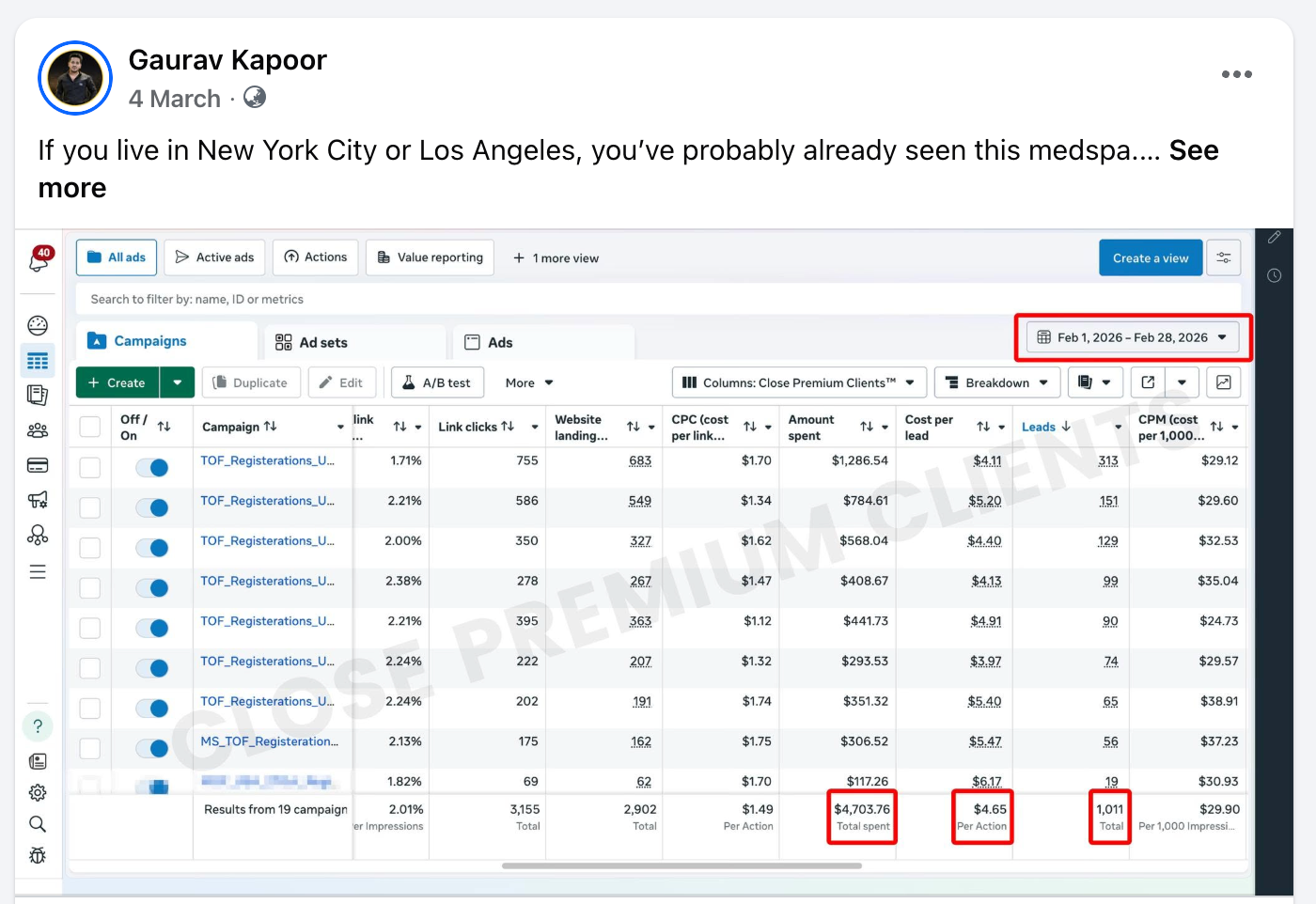
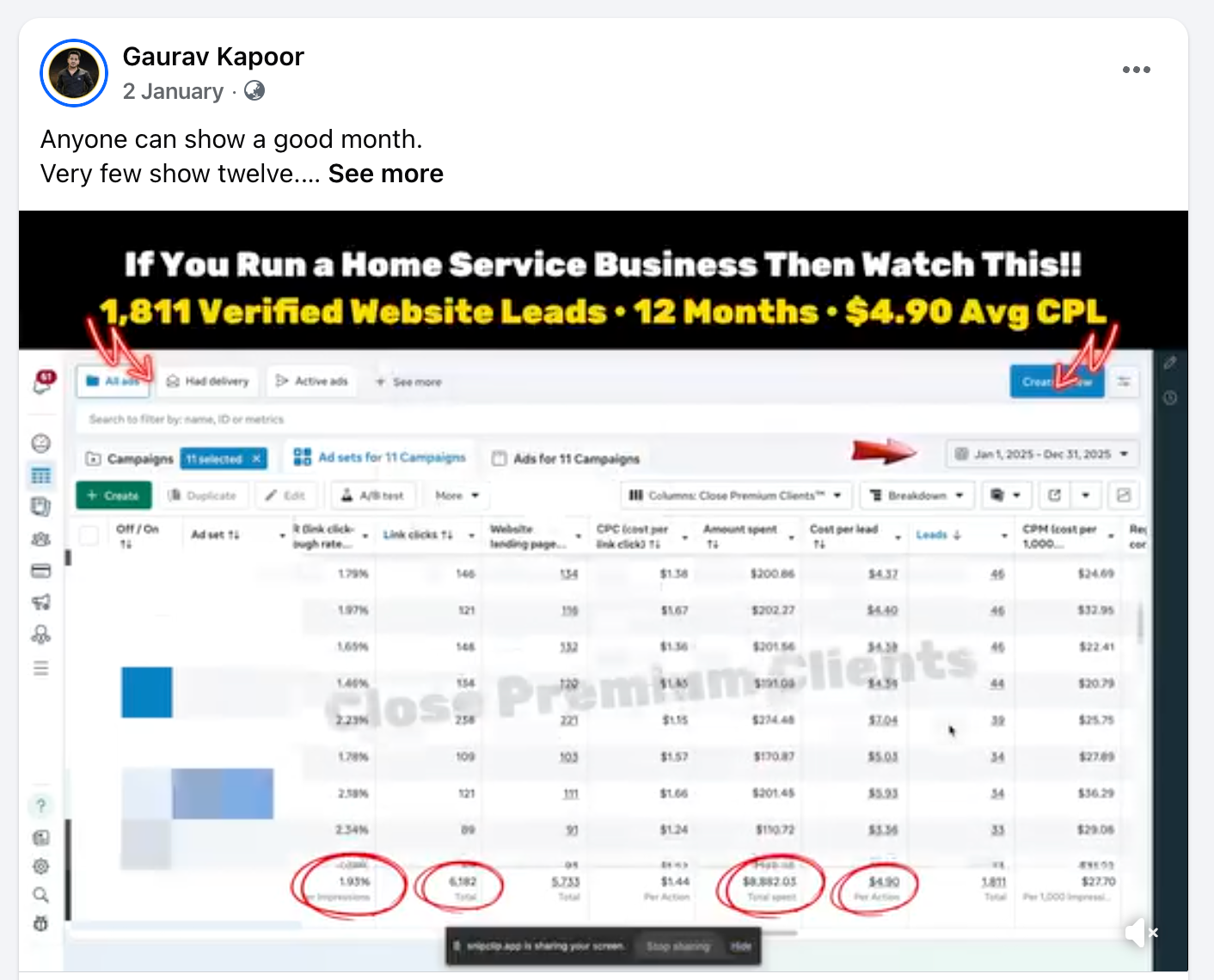
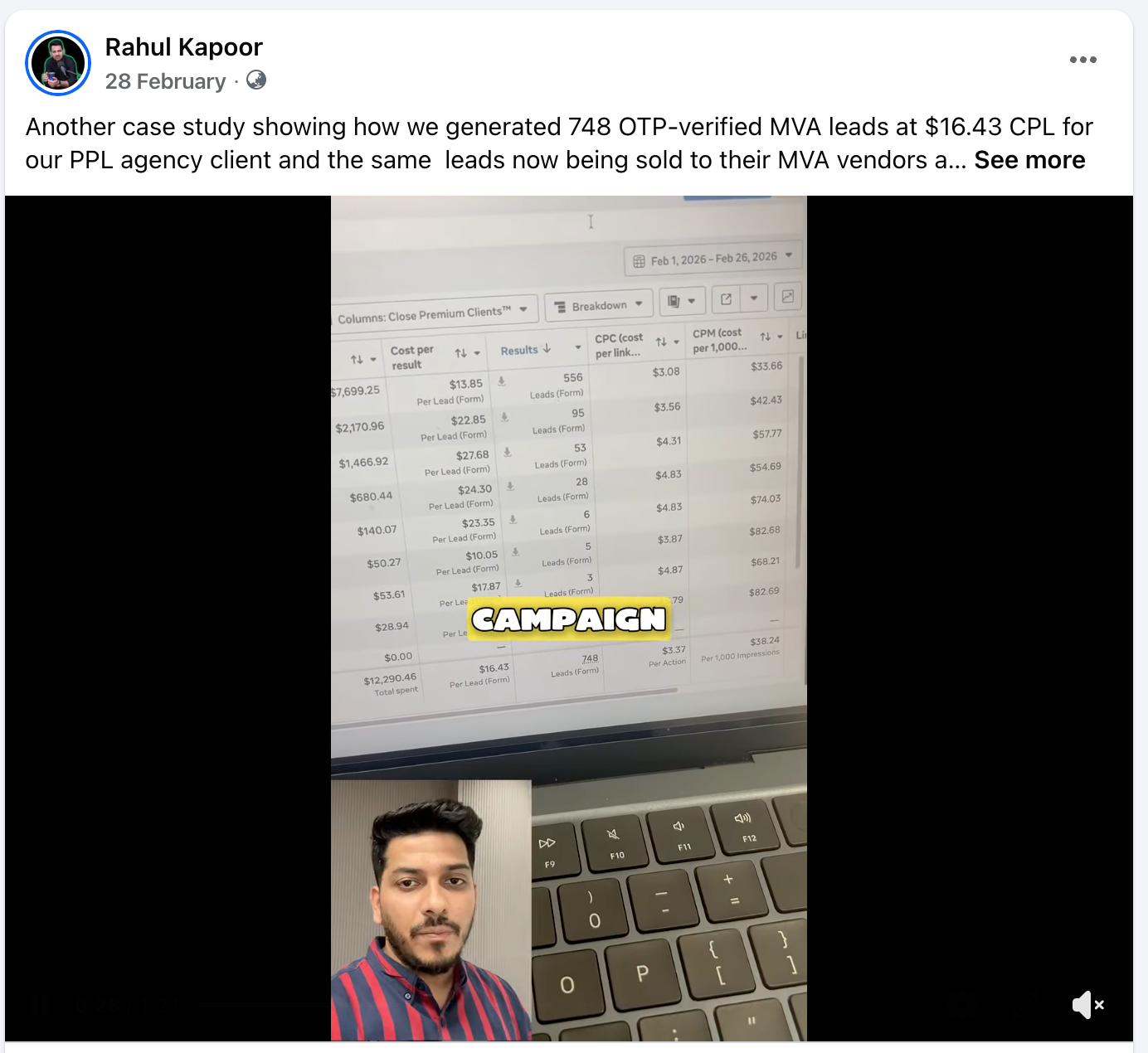
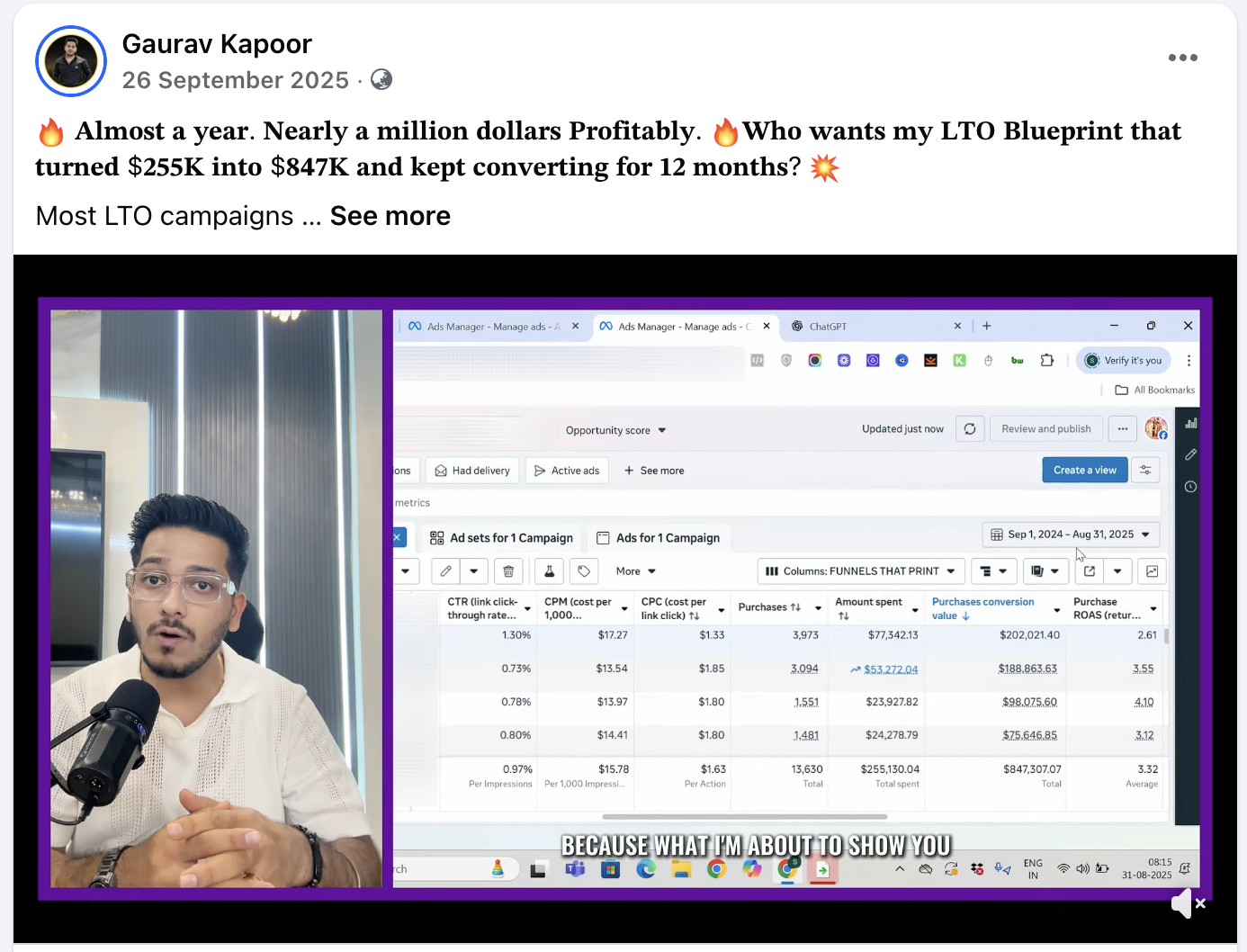
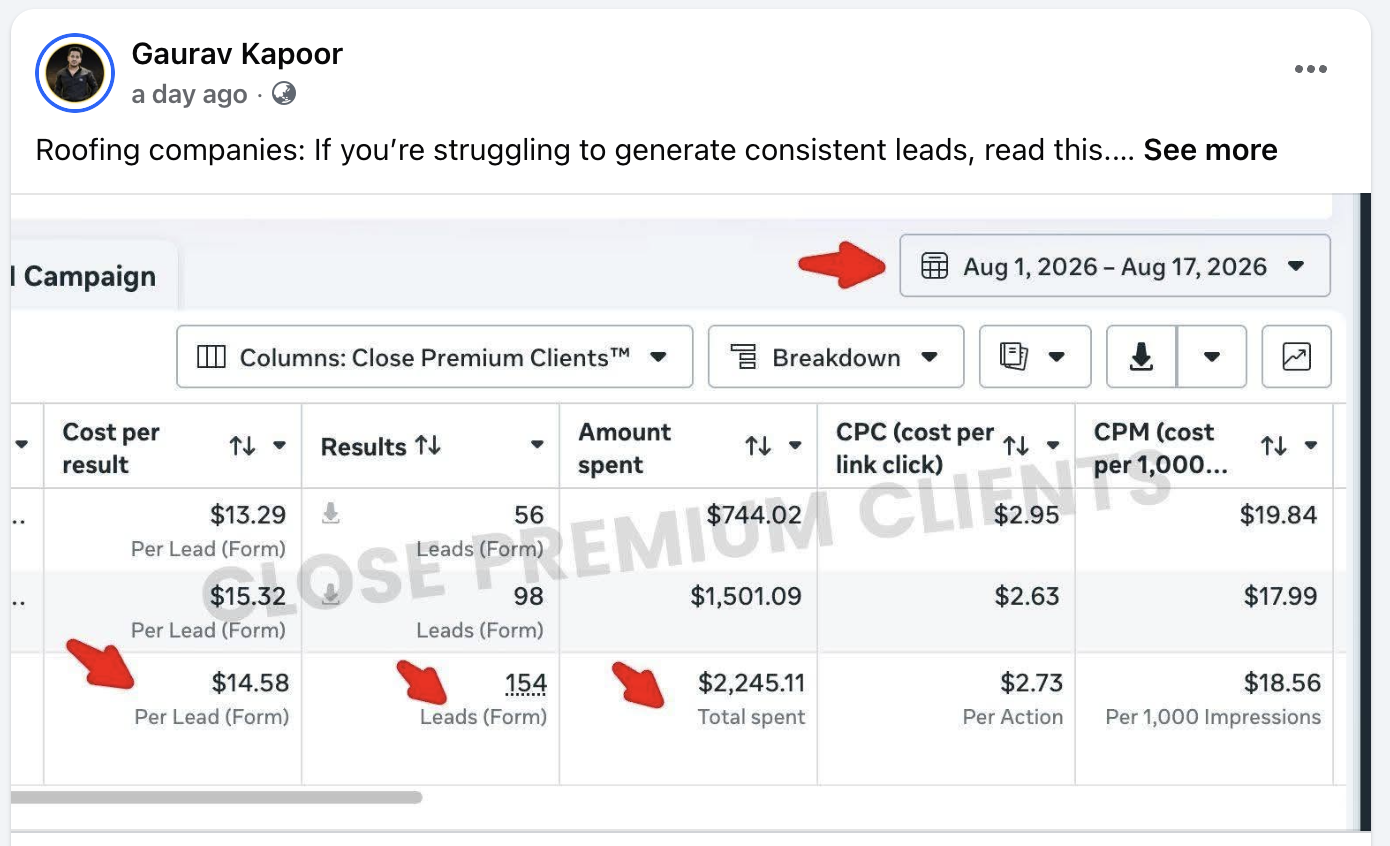
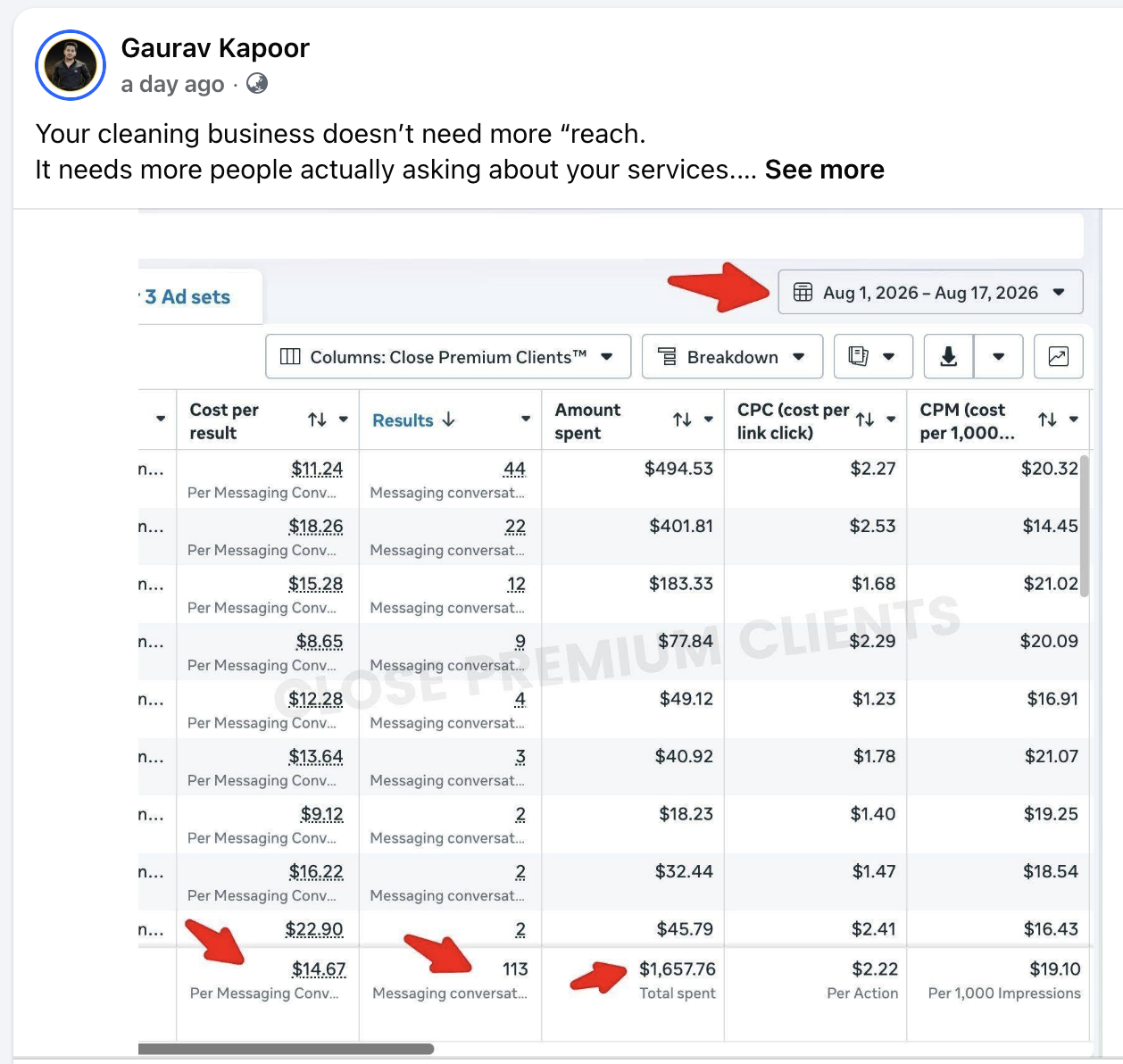
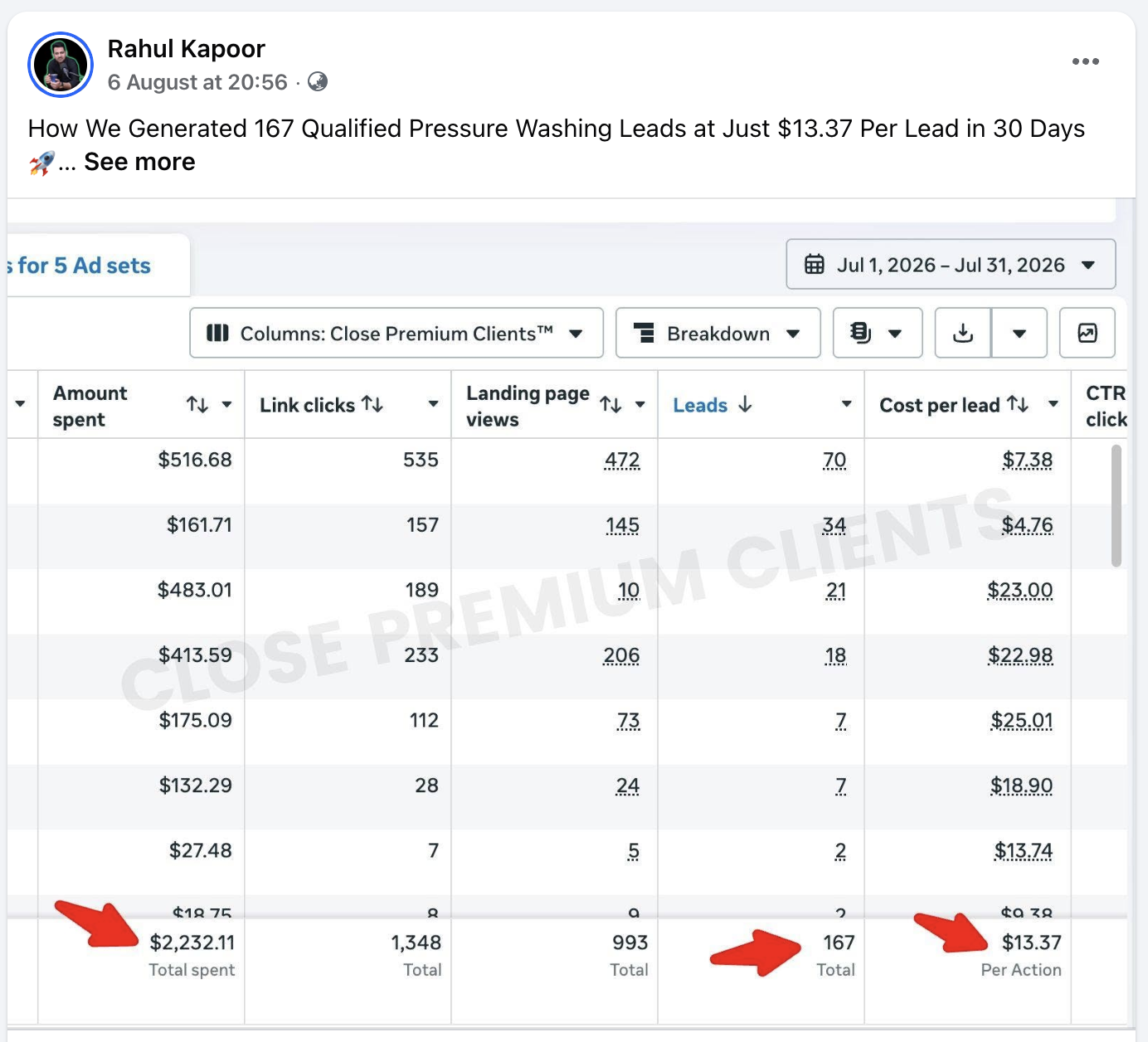
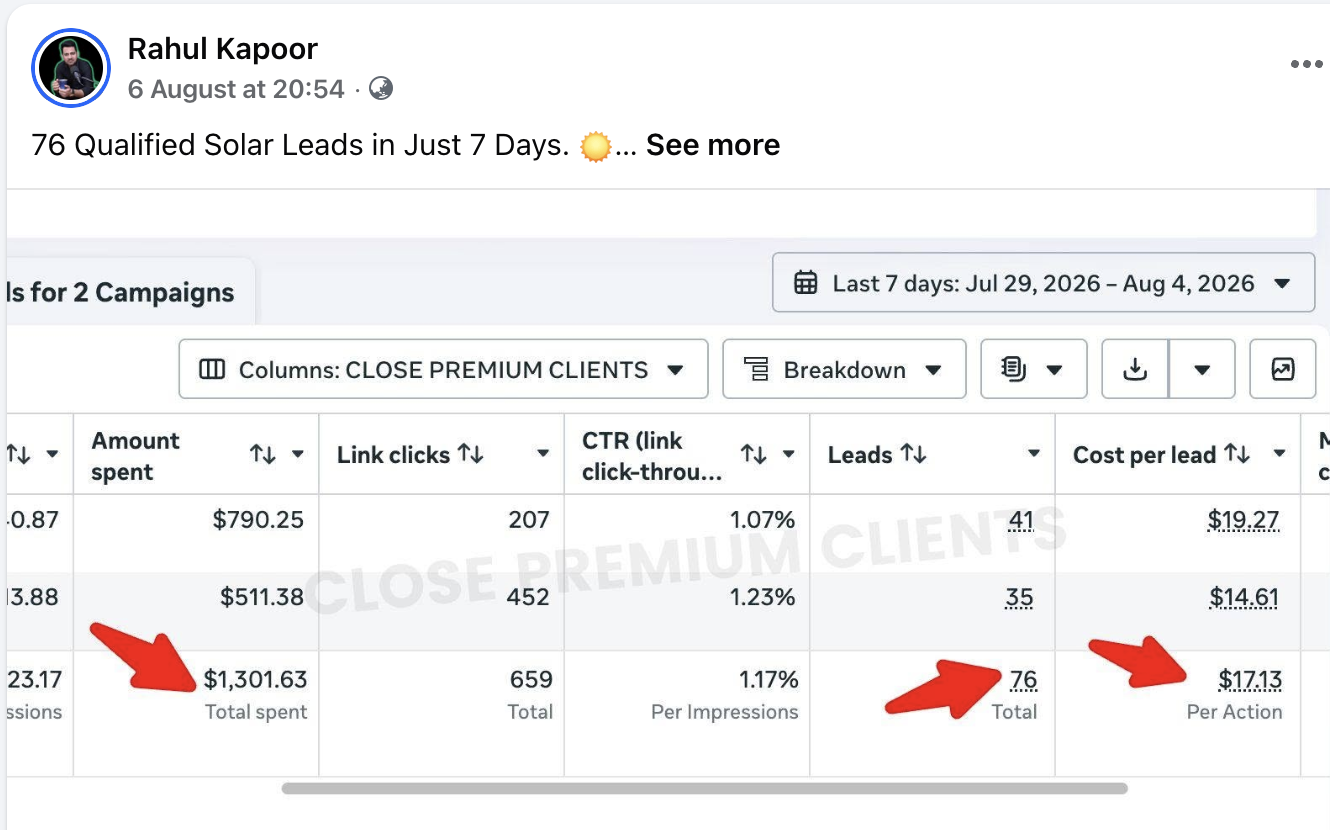
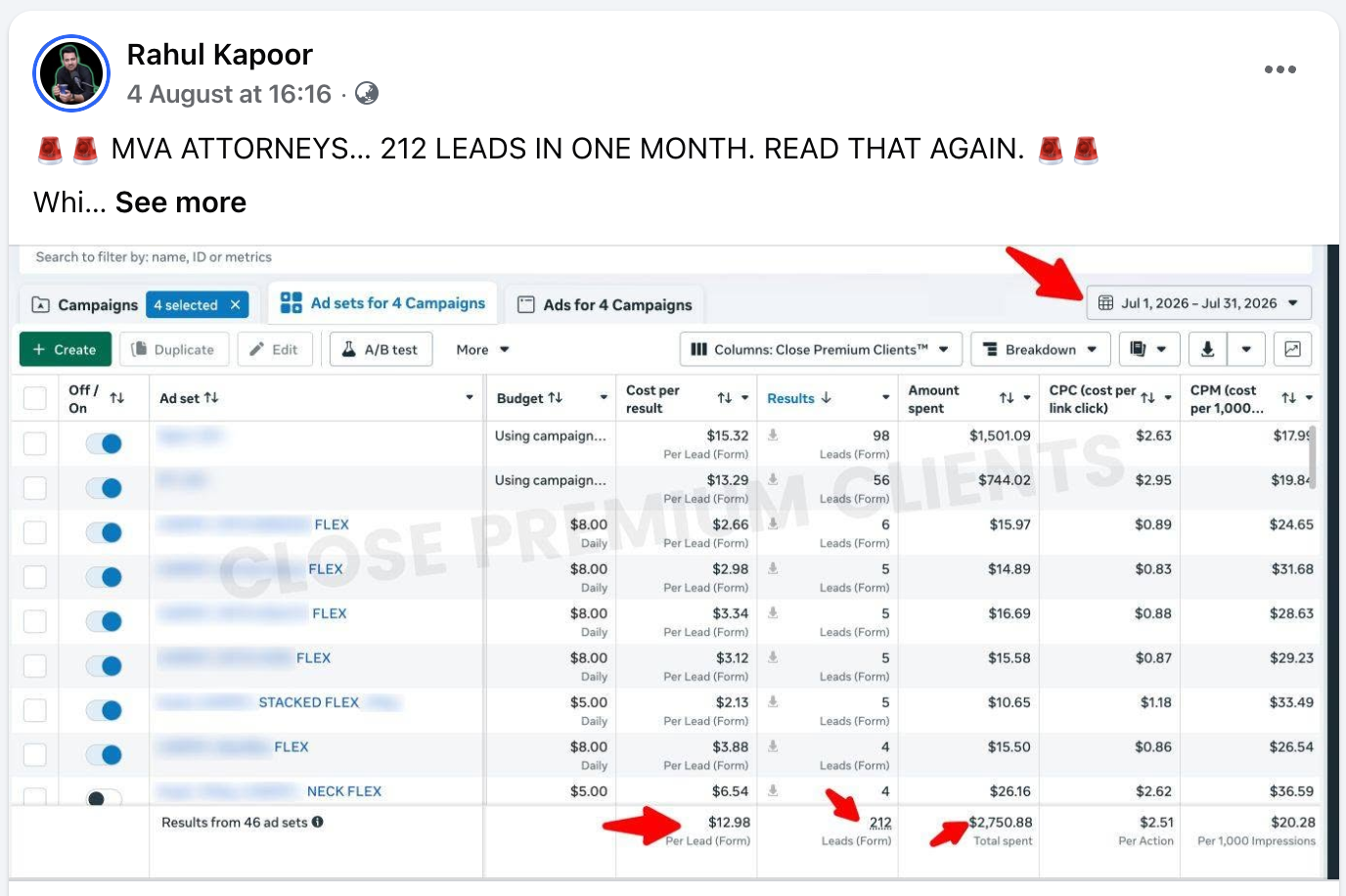
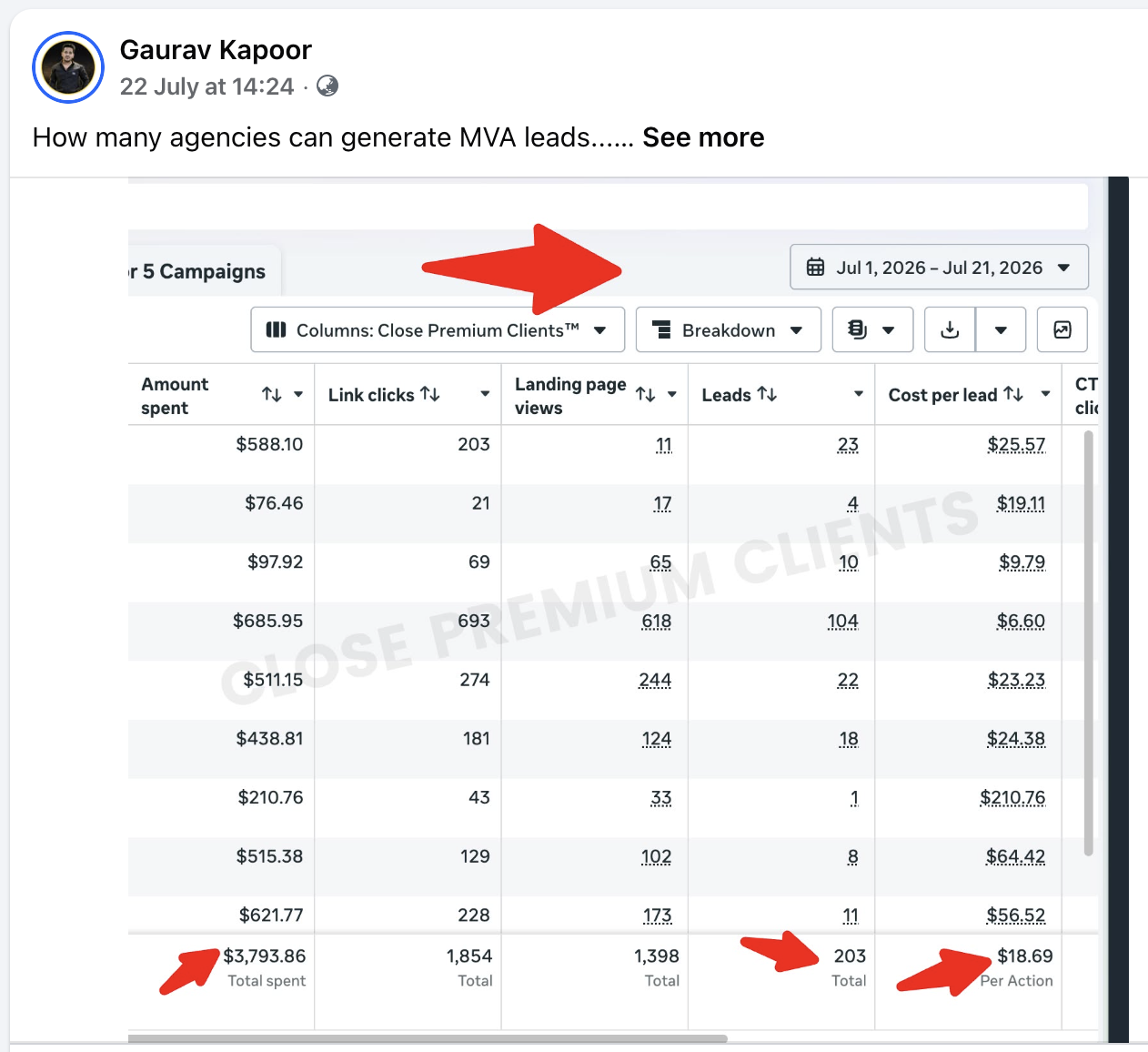
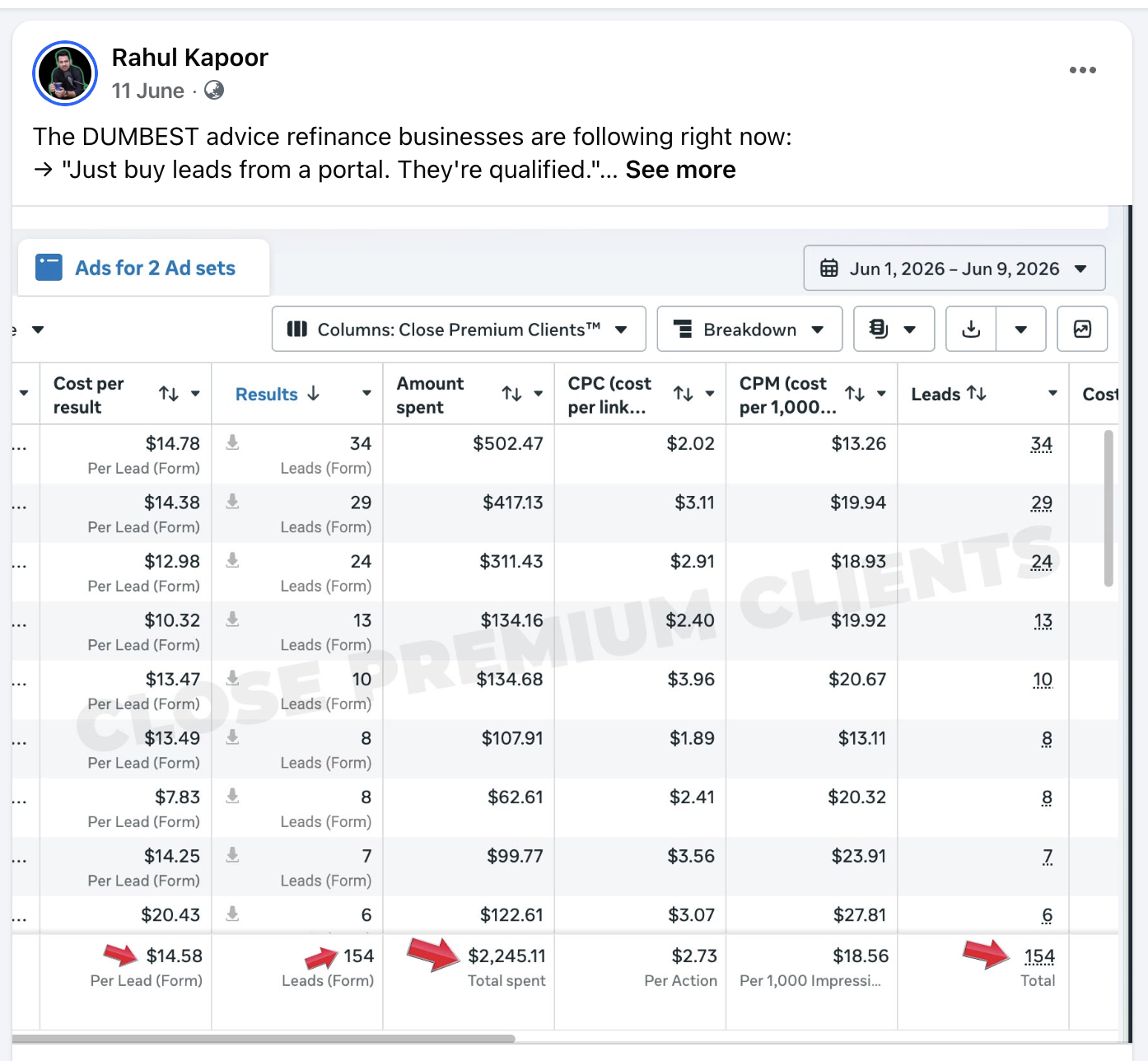
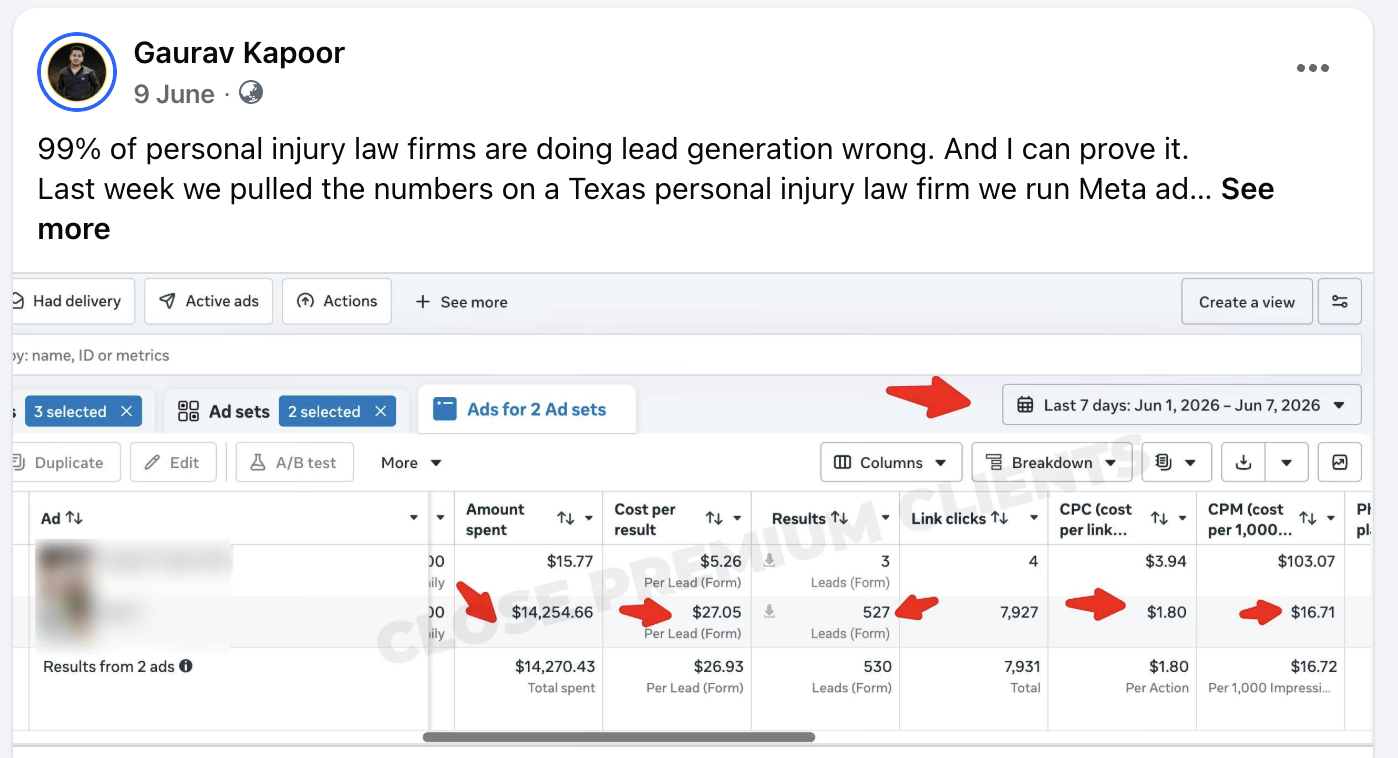
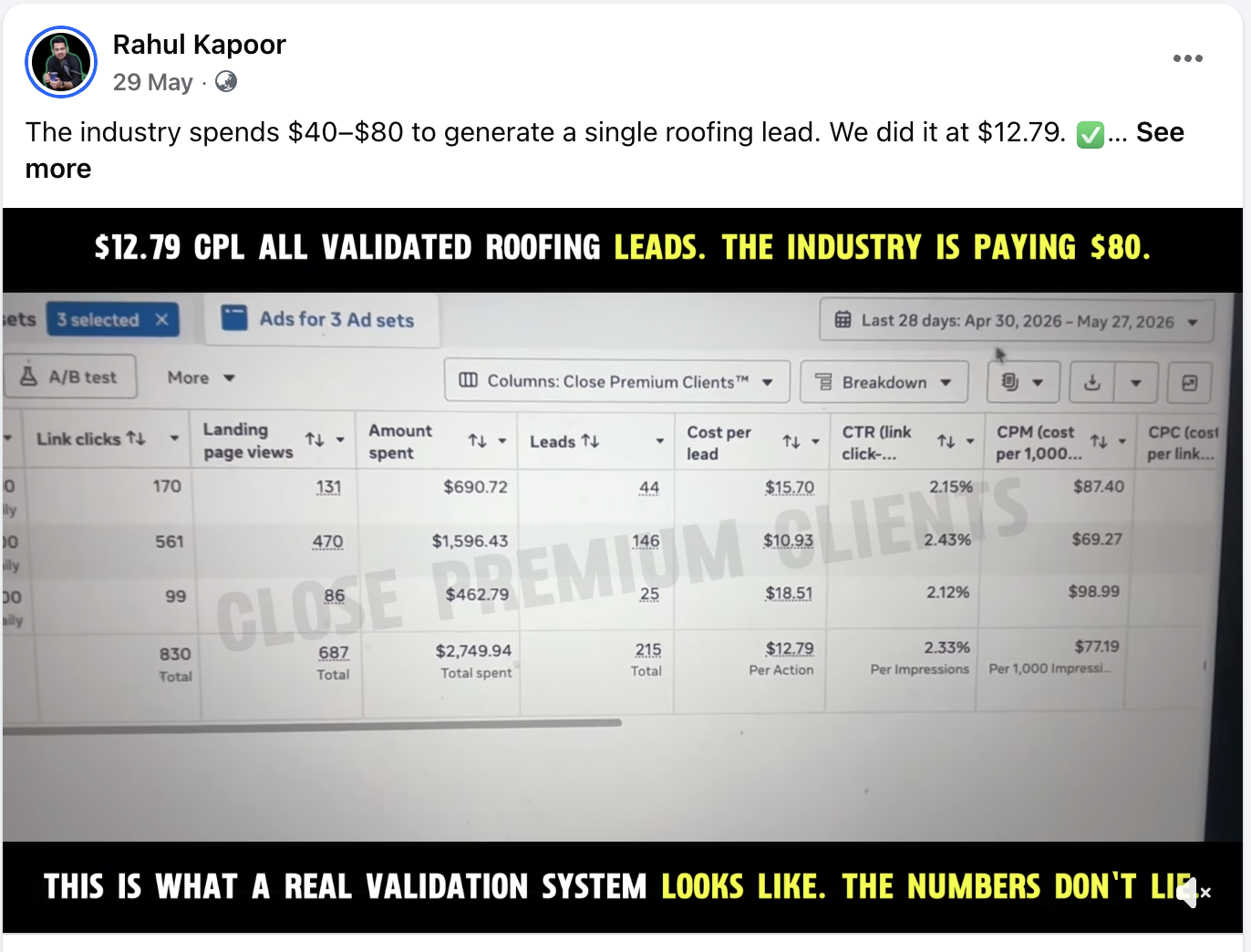
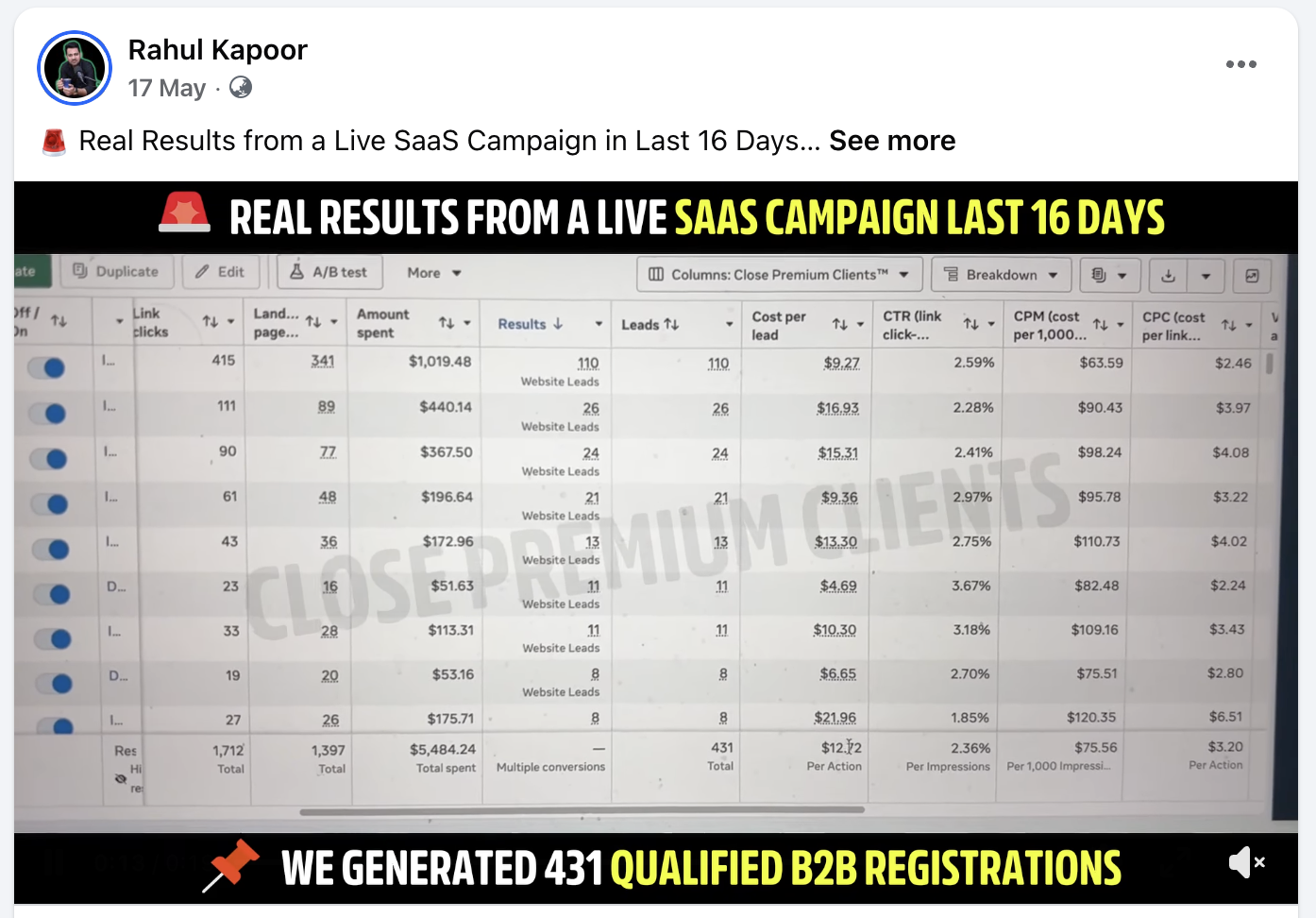
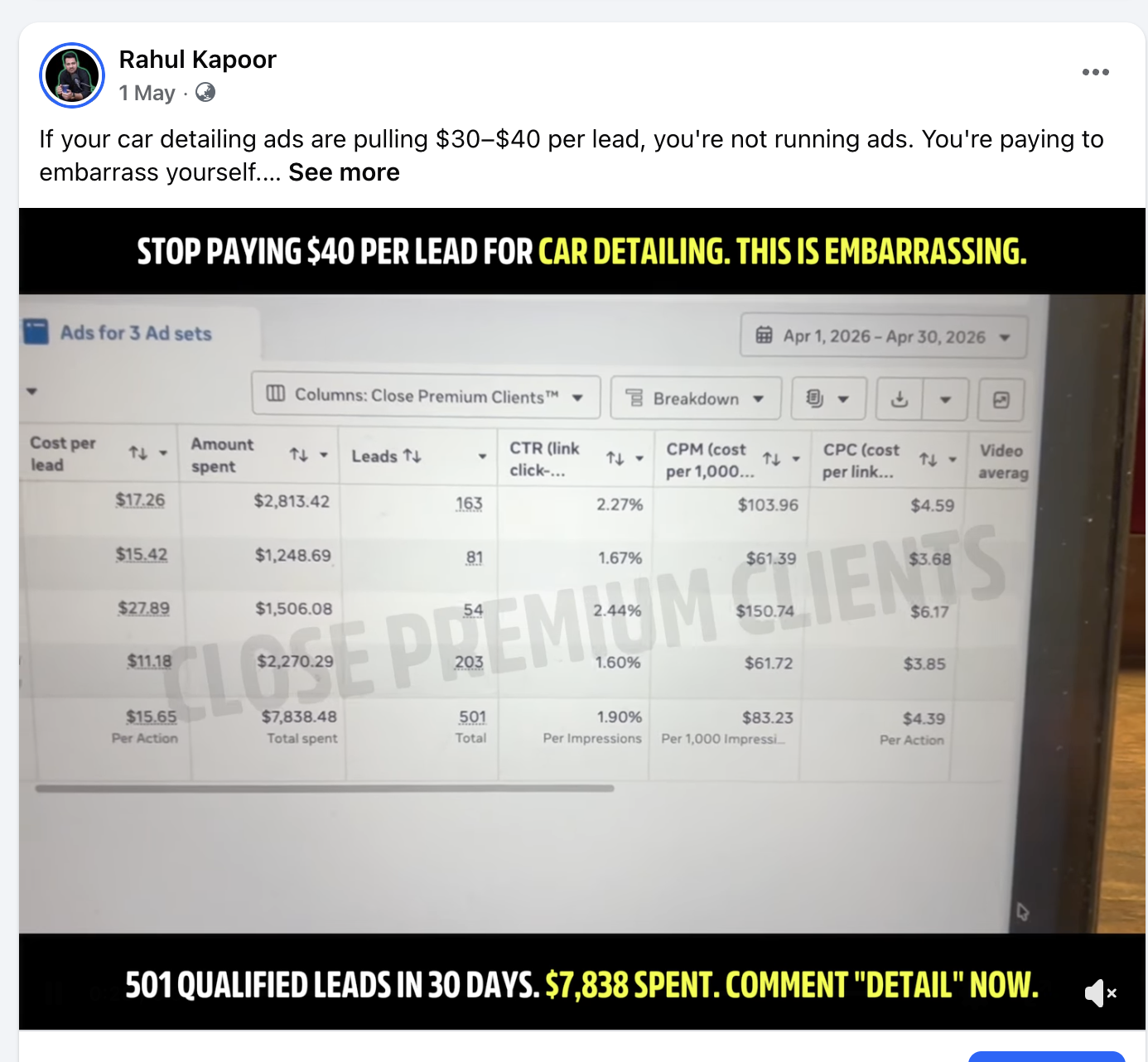
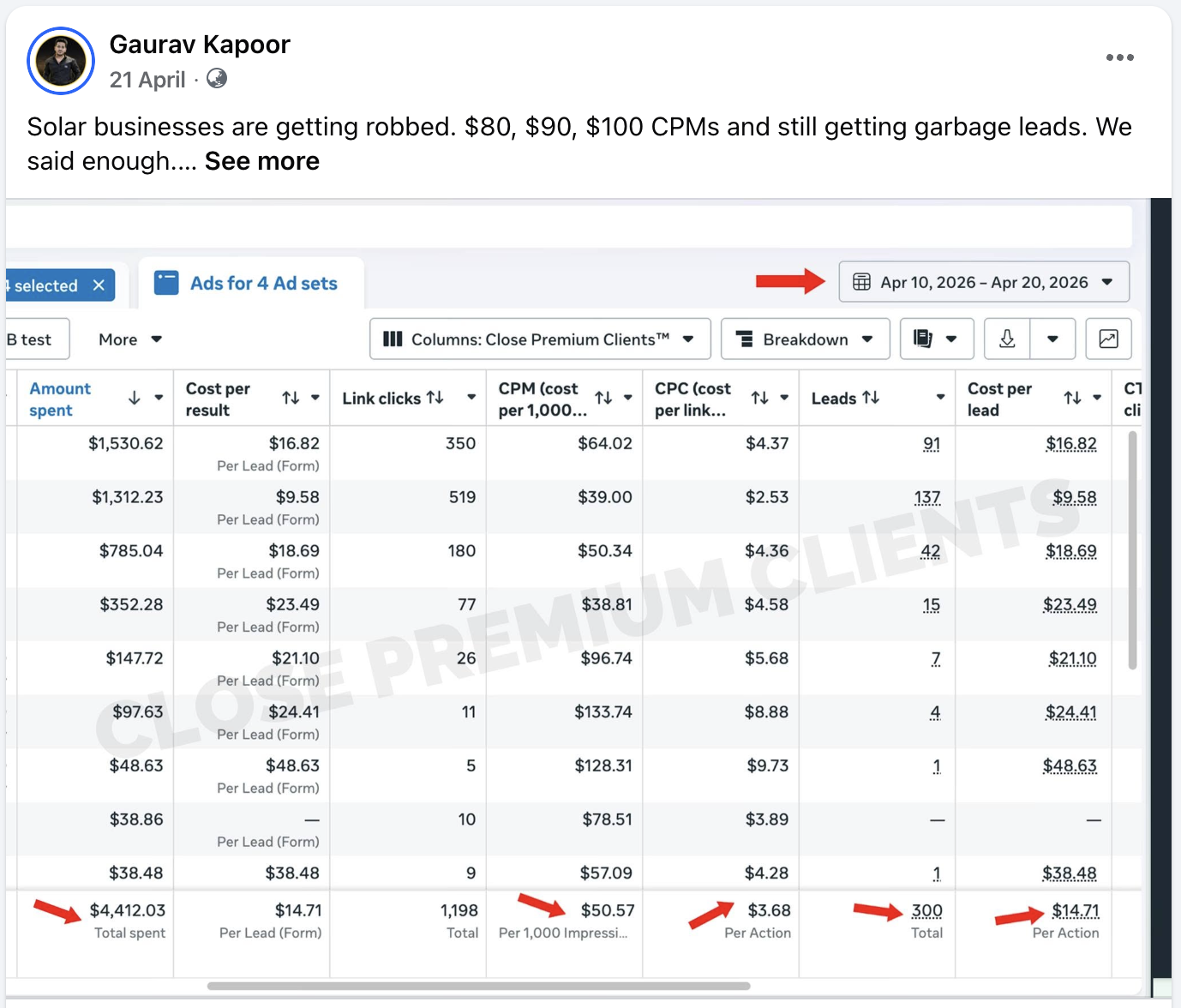
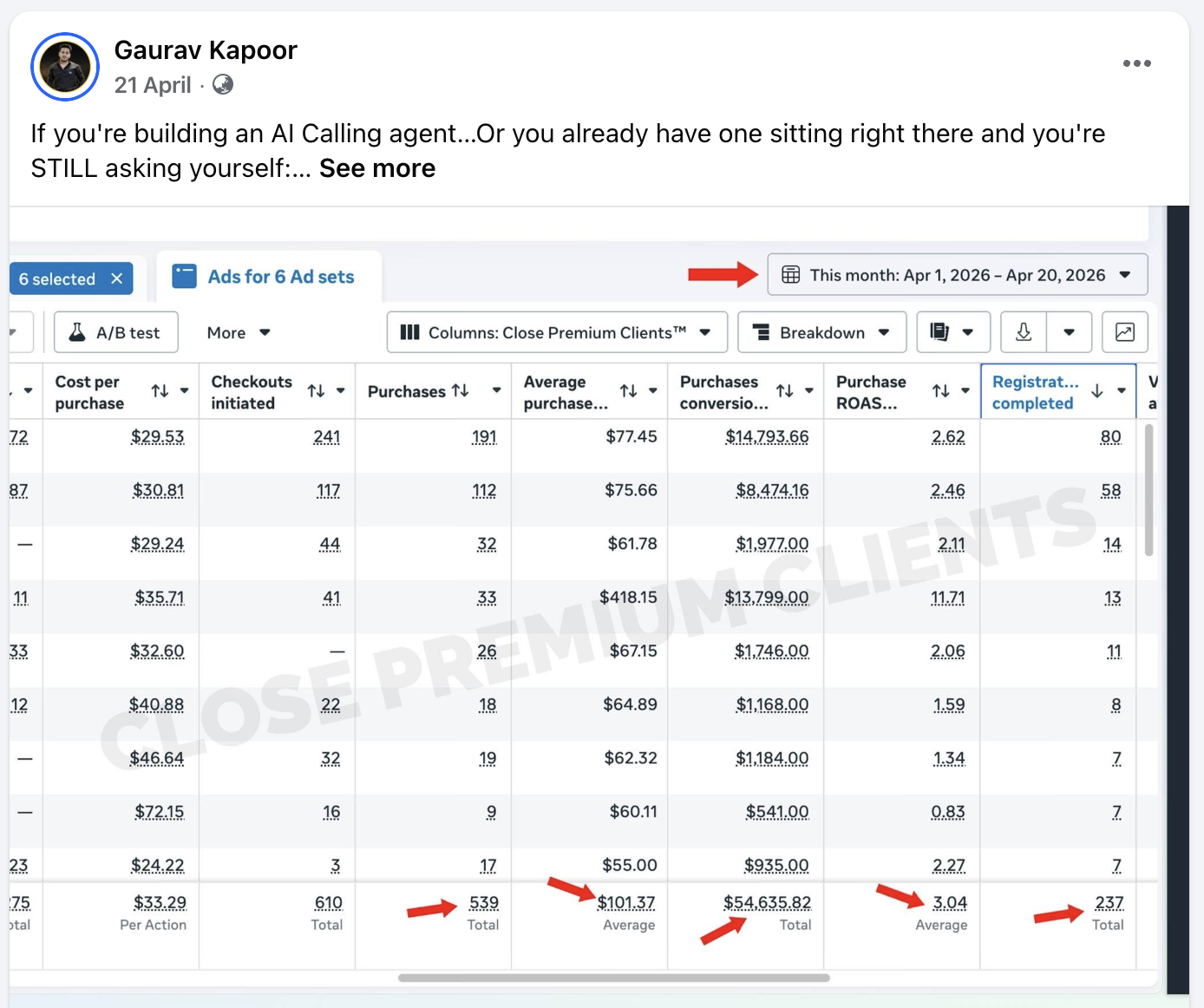
To win on cold paid media today, customer acquisition cannot be passive. It must be interactive, instantaneous, and autonomously verified. That is the standard we hold every build to across our 275+ documented client funnels.
From "Submit & Wait" to "Interactive Conversational Speed"
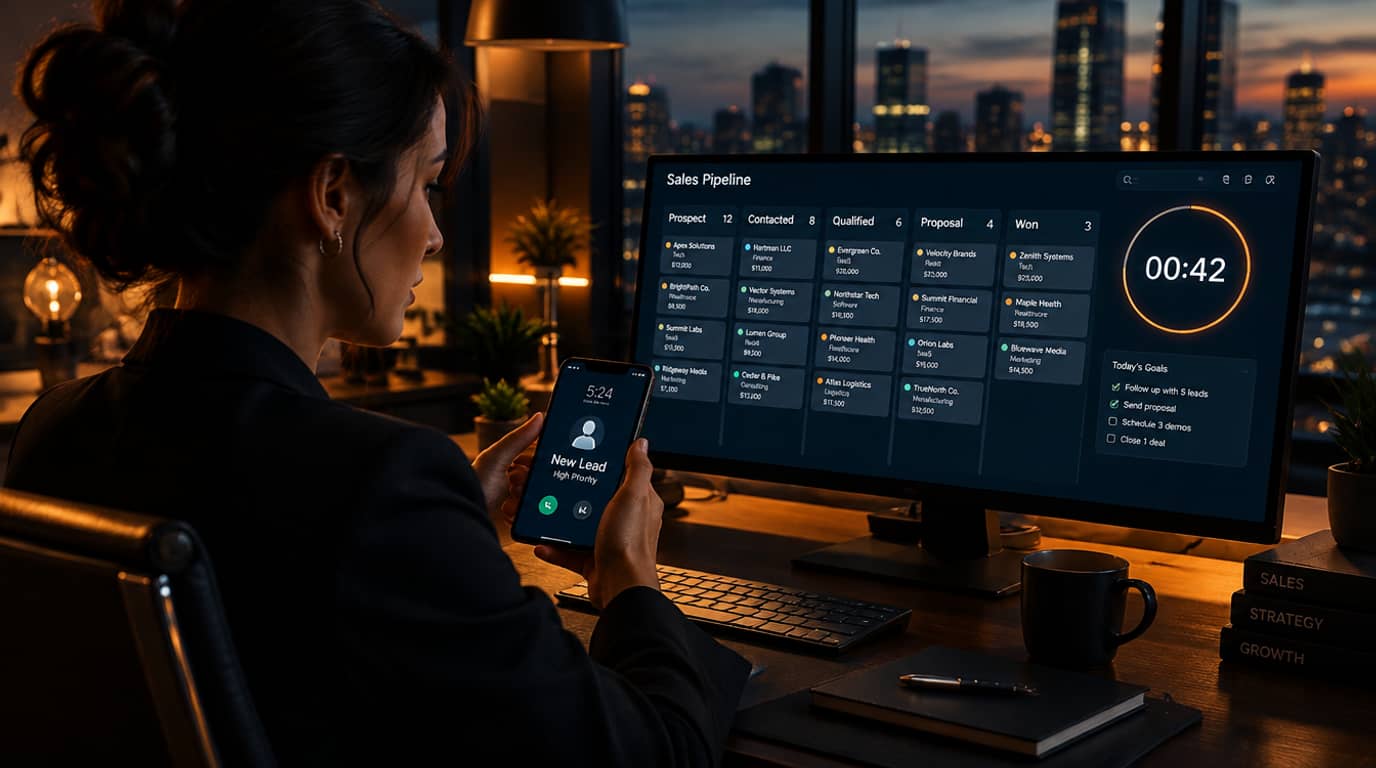
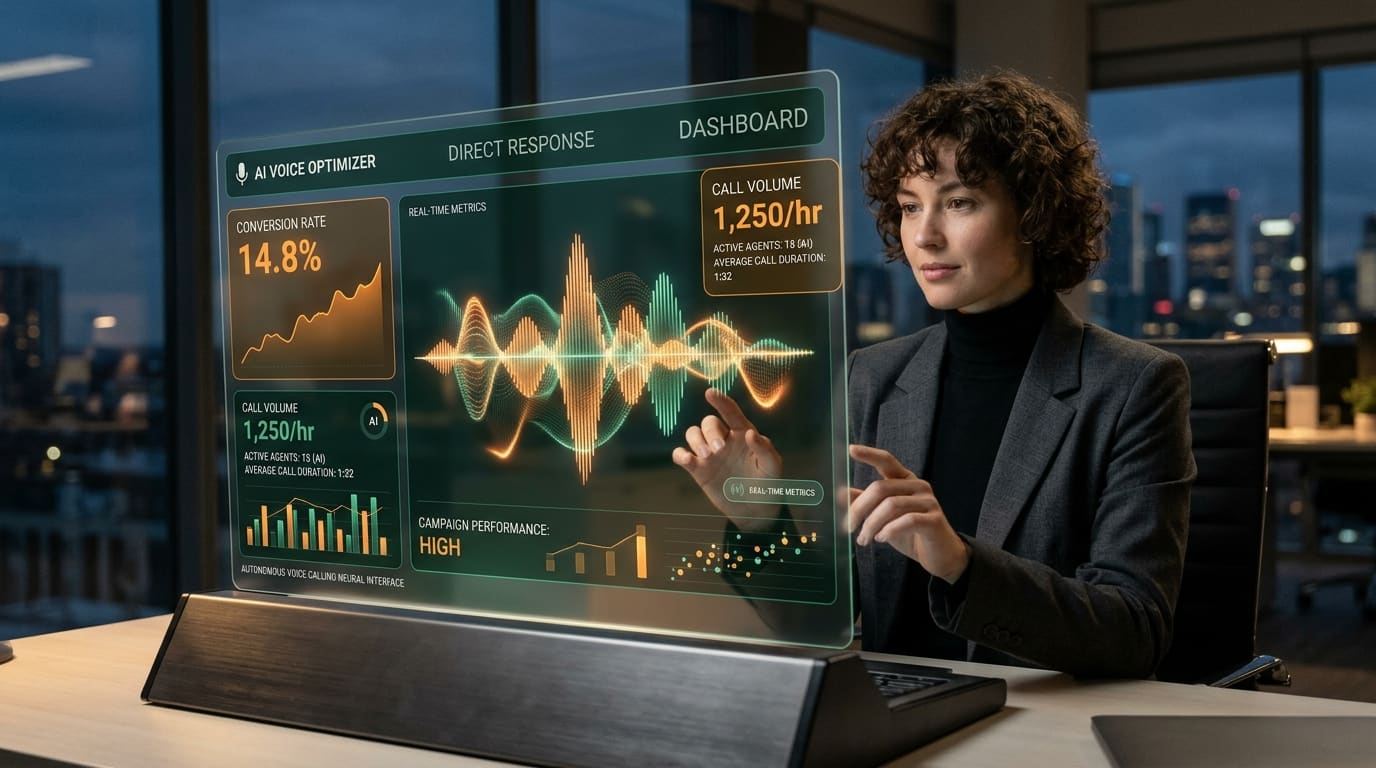
The highest converting sales funnels in 2026 replace passive video watching with interactive micro-commitments, followed by an immediate voice call or calendar lock powered by conversational AI within 60 seconds of intent.
2. The Math Behind Sub-60-Second Speed-to-Lead
Speed to lead is not a vanity metric—it is the single largest lever in performance marketing economics. Decades of sales telemetry show that the probability of qualifying a lead drops exponentially with each passing minute:
| Response Window | Contact Rate | Qualification Rate | Typical Acquisition Cost (CPA) |
|---|---|---|---|
| < 60 Seconds (Voice AI Agent) | 84.2% | 68.1% | Baseline ($94.50) |
| 5 to 15 Minutes (Fast SDR Team) | 52.7% | 41.3% | +64% ($155.00) |
| 1 to 4 Hours (Standard Agency) | 26.4% | 18.9% | +148% ($234.30) |
| Next Business Day (> 12 Hours) | 11.8% | 7.4% | +312% ($389.30) |
When you reduce lead response time from 3 hours to 45 seconds using an autonomous voice agent, your cost per qualified booked call drops by over 40% without changing a single creative ad or landing page headline. For the exact workflow build, see our guide to 60-second speed-to-lead automation in GoHighLevel.
3. Full Technical Architecture of an Autonomous AI Funnel
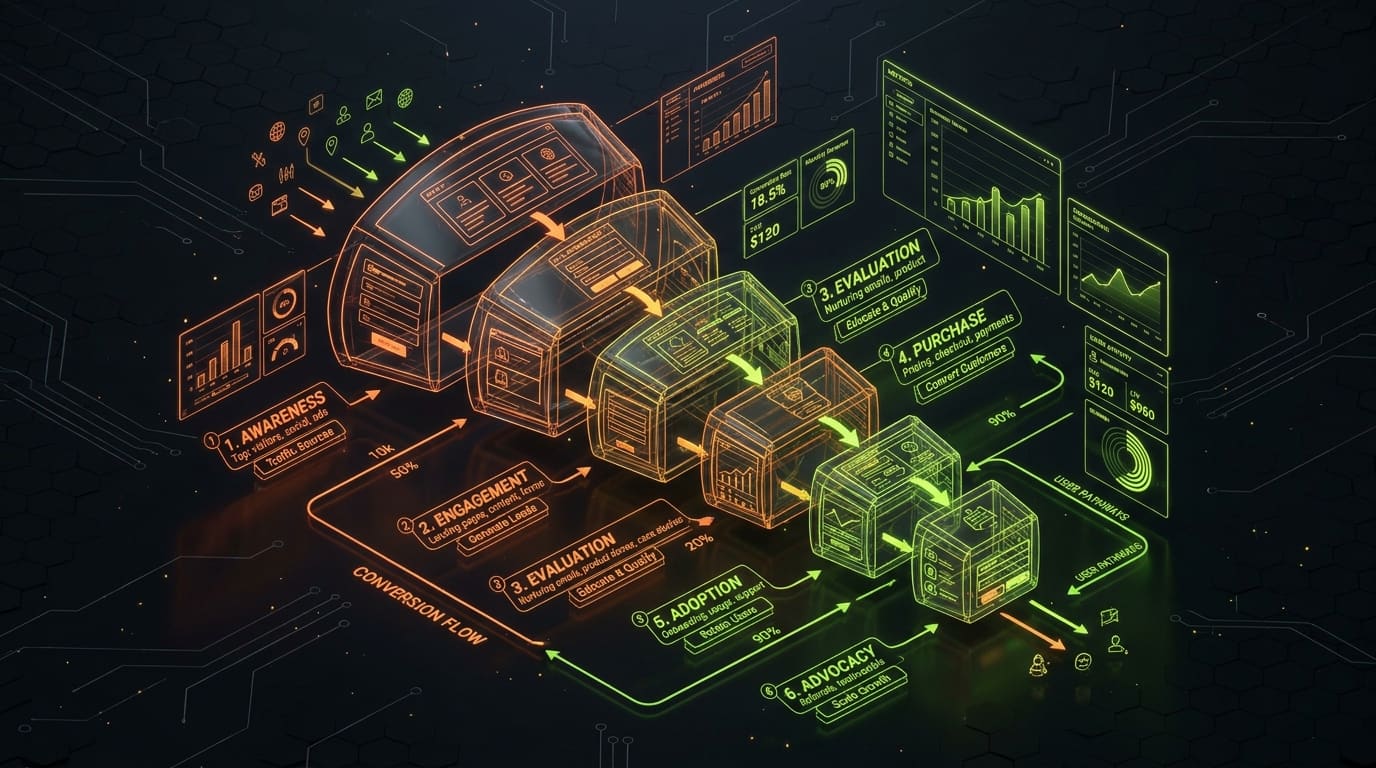
At Funnels That Print, we design our customer acquisition engines around a 4-layer connected architecture:
Dynamic Intent Capture
High-speed, server-rendered landing pages featuring value-first micro-quizzes or interactive calculators rather than intimidating static application walls.
Autonomous Voice Engagement
Within 45 seconds of lead submission, an AI voice calling agent dials the prospect, verifies identity, asks qualifying budget/timeline criteria, and handles initial objections.
Multi-Touch Nurturing Matrix
Instant SMS confirmation with calendar invite, 3-channel reminder sequences (Email, SMS, voice verification), and dynamic no-show reactivation loops.
Server-Side Feedback Loop (CAPI)
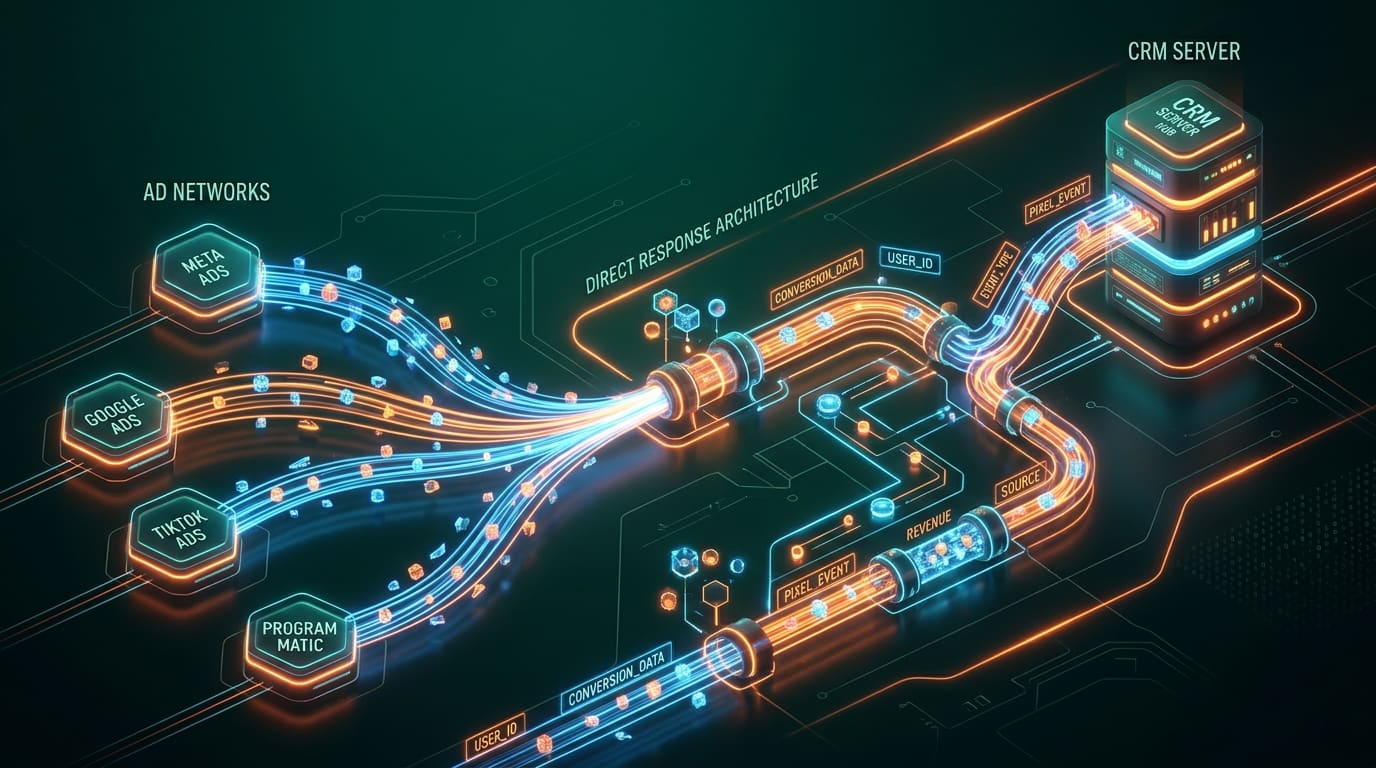
CRM sends qualified stage events back to Meta & Google ad algorithms with exact match data (fbc, fbp, phone, email hash), training ad platforms to hunt only for buyers.
4. The Voice Agent Stack: Under 700ms Latency & Objection Handling
The primary reason past automated phone systems failed was unnatural latency. If a caller says "How much does your consulting cost?", and the system pauses for 2.5 seconds before replying, the illusion breaks instantly.
Modern 2026 voice engineering solves this via a 3-part orchestration pipeline:
- Sub-200ms Automatic Speech Recognition (ASR): Streaming real-time audio transcription with endpointing that knows when the user has actually finished speaking.
- Low-Latency LLM Reasoning & Knowledge Base RAG: Fine-tuned retrieval models that process business guardrails, pricing packages, and objection responses in ~250ms.
- Instant Neural Voice Synthesis: Human-quality speech generation with natural breathing pauses, conversational fillers ("Sure thing, let me check that..."), and emotional inflection operating in under 200ms.
Total round-trip latency clocks in at 620ms to 680ms—indistinguishable from a sharp human SDR on a high-speed fiber line.
5. Connecting the Pipeline: Meta CAPI & Offline Conversion Events
A funnel is only as smart as the data fed back into your advertising algorithms. If Meta only receives a generic "Lead" event when someone types an email, it optimizes for people who love filling out forms.
By coupling your AI voice agent with Meta Conversions API (CAPI) and Google Enhanced Conversions, we fire tiered conversion values:
Lead (Front-End Submit): Standard event signal.QualifiedLead (AI Agent Confirmed Budget > $5K): Weighted signal passed with 9.2 Event Match Quality score.Schedule (Call Booked on Closer's Calendar): High-value optimization event.Purchase / Closed-Won (CRM Contract Paid): The ultimate optimization beacon.
Within 14 days of feeding qualified offline events back to Meta, ad auction CPMs stabilize, and the algorithm begins delivering high-income business owners and decision-makers. We cover the full event map and setup in our Meta Conversions API setup guide for lead gen funnels.
6. Real-World Execution: How This Generated $1.52M in 19 Months
In our $1.52M high-ticket consulting case study, the client had previously burned $60,000 on Facebook ads driving to a generic VSL. Their cost per booked call was averaging $280, with a 38% no-show rate.
We rebuilt the entire stack using the Funnels That Print turnkey architecture:
- Replaced the static page with an interactive offer diagnostic front door.
- Implemented immediate speed-to-lead voice qualification with customized objection scripts.
- Added our automated 3-touch reminder sequence with video preview messages.
- Installed server-side CAPI tracking mapped to high-ticket contract sign-offs.
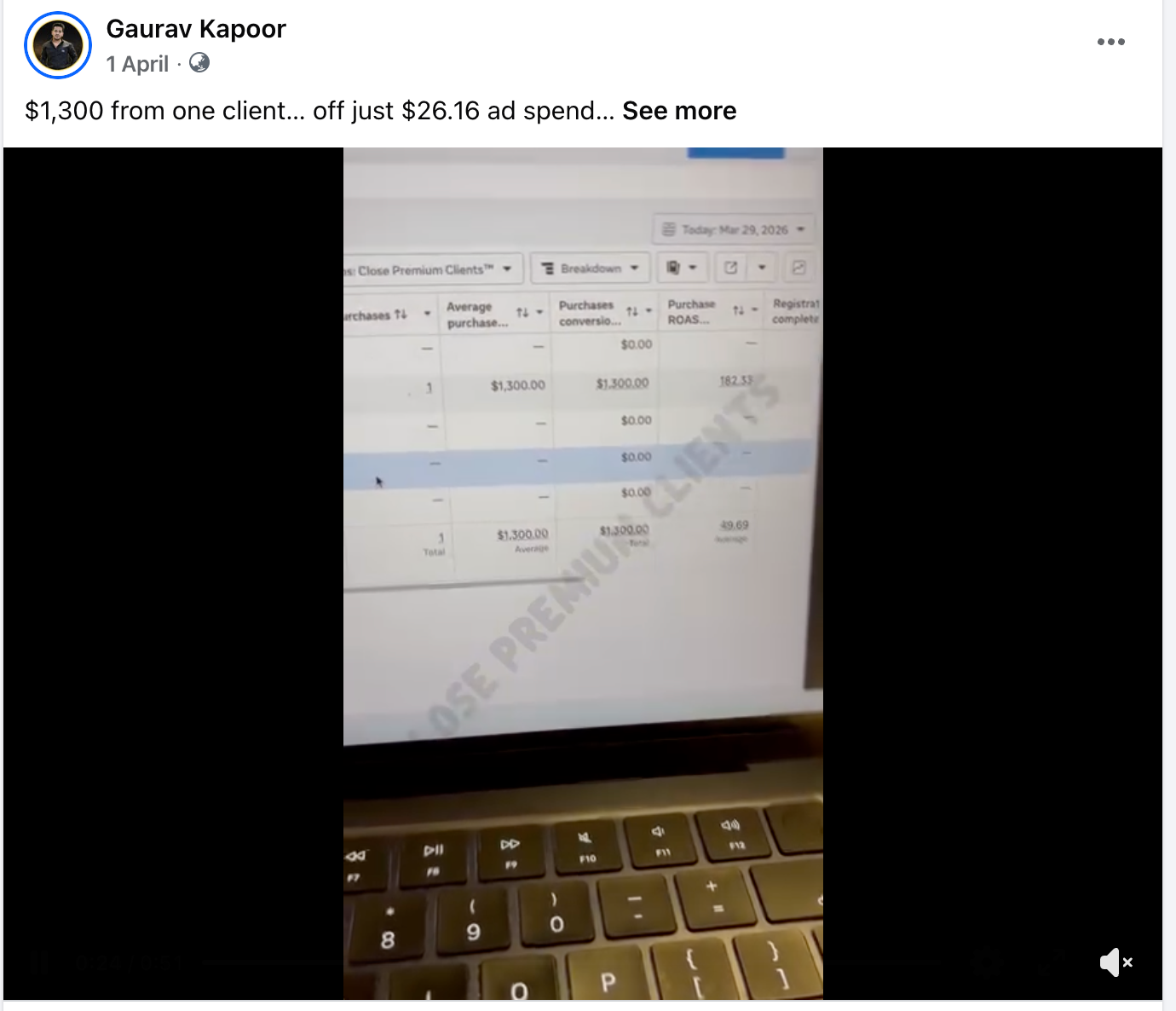
The Results: Cost per booked call dropped from $280 to $112, show-up rates climbed from 62% to 88.4%, and the offer scaled to $1,520,000 in collected revenue over 19 months. The reminder sequence behind that show-up lift is broken down in how to reduce sales call no-show rates.
7. Step-by-Step Implementation Blueprint for Operators
If you are looking to deploy an autonomous acquisition engine for your business, here is the exact 5-point implementation roadmap:
Offer & Diagnostic Hook Alignment
Condense your value proposition into an interactive assessment or front-door problem solver that gives immediate utility before asking for a calendar booking.
CRM Infrastructure & Dynamic Pipelines
Build unified pipeline stages with zero data lag: New Lead → Instant Voice Dial → Qualified → Booked → Nurtured → Closed.
Voice AI Scripting & Guardrails
Develop conversational prompts focused on 4 essentials: verify identity, qualify budget/urgency, handle top 3 objections, and confirm calendar slot.
Full-Funnel Server-Side Attribution
Configure server-side Meta CAPI and Google Tag Manager containers with 1st-party cookie capture to prevent attribution decay.
Continuous Conversion Rate Optimization (CRO)
A/B test landing page headline variants, monitor voice agent call transcripts for friction points, and iteratively lower cost per acquisition.
Not sure whether to lead with a VSL or an interactive front end? Read our split-test data on high-ticket VSL vs. multi-step quiz funnels, or book a funnel strategy call and we will map this architecture to your offer.
Frequently Asked Questions
What is an AI sales funnel and how does it differ from a traditional funnel?
A traditional funnel relies on static pages, video sales letters (VSLs), and long static application forms where leads wait hours or days for human sales follow-up. An AI sales funnel uses interactive qualification mechanisms, sub-second latency voice AI agents that call prospects within 60 seconds, and automated CRM routing that answers objections and locks calendar slots in real time.
Why is sub-60-second speed-to-lead critical for conversion rates?
Studies across millions of B2B and high-ticket leads show that contacting an inbound lead within 60 seconds increases qualification probability by 391% compared to a 30-minute delay. Autonomous voice AI enables 24/7 instantaneous dialing without human staffing bottlenecks.
Do AI voice agents sound robotic or comply with calling regulations?
Modern enterprise voice AI models leverage real-time neural speech synthesis operating at sub-700ms latency, matching natural human conversational pauses. Under regulatory frameworks like the EU AI Act (Article 50) and US FTC rules, ethical AI systems immediately disclose their AI nature while providing a transparent, highly professional customer experience.
How does server-side Meta CAPI integrate with AI calling agents?
When an AI voice agent qualifies a lead and books an appointment, the CRM fires an offline conversion event ('Schedule' or 'QualifiedLead') through Meta CAPI with high event match quality. This trains Meta and Google algorithms to find high-intent buyers rather than low-quality form clickers.

Rahul Kapoor
Co-founder of Funnels That Print and lead on CRM automation, speed-to-lead systems, AI voice calling agents and server-side tracking. Rahul has built the GoHighLevel workflows, Meta Conversions API pipelines and reminder automations behind 275+ client funnels.
Meet the team ↗